
The Fallout of a Flawed Launch: When Passion Projects Face Harsh Criticism
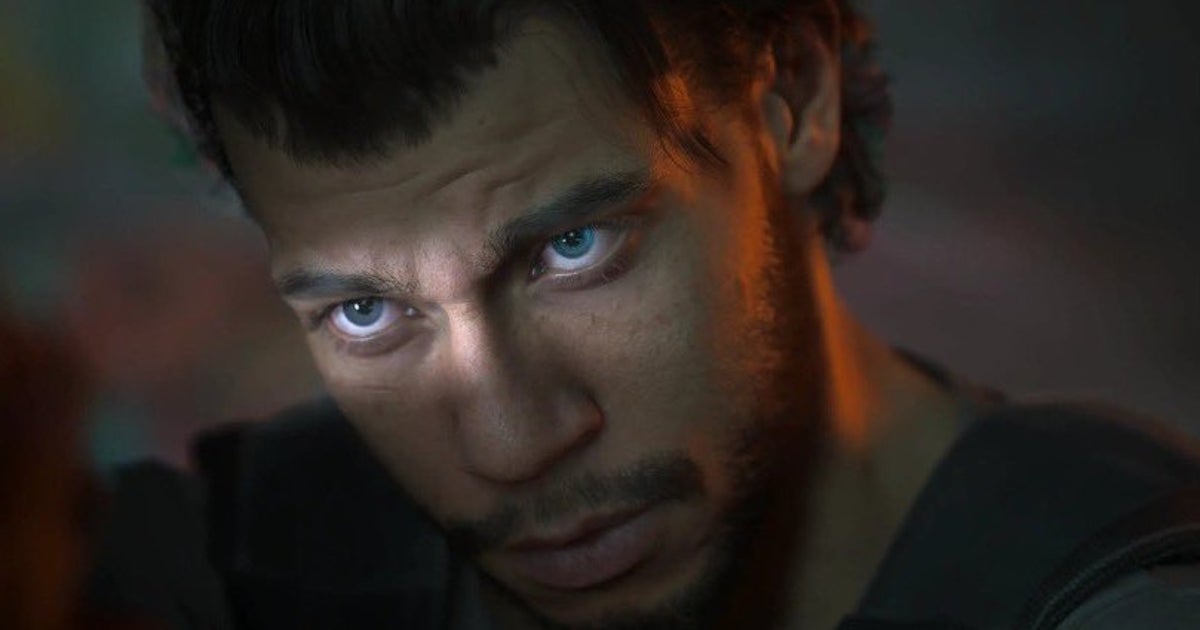
Actor Alex Hernandez recently shared his candid experience with the launch of MindsEye, a game he dedicated two-and-a-half years to, revealing the emotional toll of a widely criticized project. Hernandez expressed immense pride in his contribution and the team he worked with, yet the negative reception left him questioning his future in the gaming industry. This situation highlights a complex reality for those who lend their face and voice to games: the intense connection players feel to interactive experiences can translate into deeply personal reactions, both positive and negative.
The weight of Being “The Face”
Hernandez explained the unique pressure of being publicly associated with a game’s success or failure. He noted that opinions, and especially emotions, are frequently enough directly linked to the actor representing the project. This is a challenging position, as players are naturally entitled to their opinions, even when expressed with extreme vitriol.
Consider this: the anonymity of the internet can embolden individuals to express sentiments they would never voice in person. Hernandez pointed out the stark contrast between online commentary and real-world interactions, stating that few would directly tell someone involved in a project they disliked it so intensely.
A Pattern of Disappointment?
This isn’t the first time Hernandez has been associated with a game facing launch issues. He previously voiced and provided his likeness for Lincoln Clay in Mafia 3, which also received a lukewarm reception. this has led him to jokingly wonder if he possesses an “opposite of the golden touch,” a tendency to be linked to projects that underperform.
It’s a frustrating situation for any creative professional, especially when critically important effort and passion have been invested. You pour your heart into a project, hoping to deliver an experience players will enjoy, and then face a wave of criticism.
The Aftermath and Future Outlook
Despite the rocky start, MindsEye’s developer, Build A Rocket Boy, has continued to release updates and express commitment to improving the gameplay experience. though, the disastrous launch has cast a shadow over its publisher, IOI Partners, prompting IO Interactive to reassess its publishing strategy.
IO Interactive CEO Hakan Abrak announced a shift towards internal publishing, leaving the future of IOI Partners uncertain. This demonstrates the significant ripple effects a poorly received game can have on the wider industry.
A Critical Reception
Our own review of MindsEye echoed many of the criticisms leveled by players. We found the game hampered by a weak story, inconsistent writing, flawed mission design, and subpar combat. While the game shows glimpses of potential, these fundamental issues ultimately hold it back.
What This Means for Developers and Performers
Hernandez’s experience serves as a valuable lesson for both developers and performers.It underscores the importance of:
* Realistic expectations: Launching a game is always a risk, and negative feedback is certain.
* Strong quality assurance: Thorough testing and refinement are crucial to delivering a polished experience.
* Managing public perception: Being prepared for both praise and criticism is essential, especially for those in the public eye.
* Prioritizing player feedback: Actively listening to and addressing player concerns can definately help salvage a struggling game.
Ultimately, the story of MindsEye is a reminder that even with the best intentions and dedicated effort, not every project will be a success. It’s a arduous truth, but one that those in the gaming industry must be prepared to face.


