Minimally Invasive Spine Surgery: Faster Recovery and Reduced Pain
For decades, spinal surgery carried a reputation for lengthy recovery times and significant post-operative pain. However, advancements in surgical techniques are rapidly changing that narrative. Minimally invasive spine surgery (MISS) is gaining prominence as a method to address a range of spinal conditions, offering patients the potential for faster healing, reduced discomfort, and a quicker return to daily activities. This shift represents a significant evolution in how surgeons approach complex spinal issues, prioritizing patient well-being and functional outcomes.
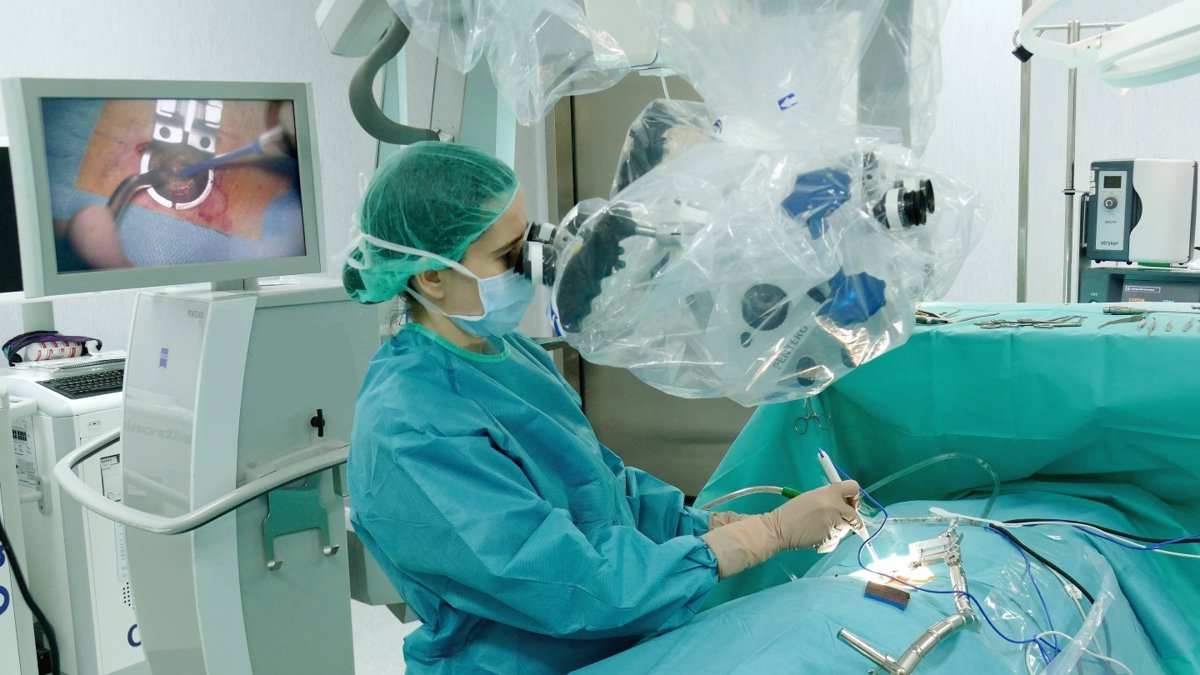
The core principle behind MISS lies in minimizing trauma to surrounding tissues – muscles, ligaments, and nerves – during the procedure. Traditional open spine surgery often requires extensive muscle dissection, leading to significant post-operative pain and a prolonged rehabilitation period. In contrast, minimally invasive techniques utilize smaller incisions, specialized instruments, and often, real-time imaging guidance to access the surgical site. This approach not only reduces tissue damage but as well promotes faster stabilization of the spine and a more efficient healing process. The benefits extend beyond immediate post-operative care, potentially leading to long-term improvements in spinal function and quality of life.
While the concept of less invasive surgery isn’t new, its application to the spine has been refined over the past two decades. Technological innovations, including high-definition cameras, specialized retractors, and navigation systems, have been crucial in enabling surgeons to perform complex procedures through smaller incisions with greater precision. These advancements have broadened the scope of conditions treatable with MISS, making it a viable option for an increasing number of patients. The growing body of evidence supporting the efficacy of MISS continues to drive its adoption by surgeons and patient demand for this advanced surgical approach.
Understanding Minimally Invasive Techniques
Minimally invasive spine surgery isn’t a single procedure but rather a collection of techniques designed to address various spinal conditions. Common procedures performed using a minimally invasive approach include laminectomies, discectomies, and spinal fusions. A laminectomy, for example, involves removing a portion of the vertebral bone (the lamina) to relieve pressure on the spinal cord or nerves. Traditionally, this required a large incision and significant muscle disruption. With MISS, a smaller incision and specialized instruments allow the surgeon to remove the necessary bone while minimizing damage to surrounding tissues.
Similarly, a microdiscectomy, used to treat herniated discs, can be performed through a small incision with the aid of a microscope, allowing for precise removal of the disc fragment compressing a nerve root. Spinal fusion, a procedure to stabilize the spine by joining two or more vertebrae, can also be performed minimally invasively using specialized implants and techniques. These techniques often involve the employ of percutaneous pedicle screw fixation, where screws are inserted through small incisions to secure the vertebrae during the fusion process.
A key component of many MISS procedures is the use of tubular retractors. These devices create a small tunnel through the muscle tissue, allowing the surgeon to access the spine without extensive muscle stripping. This preservation of muscle integrity is a major contributor to reduced post-operative pain and faster recovery. Intraoperative imaging, such as fluoroscopy or computed tomography (CT) scans, provides real-time guidance, ensuring accurate implant placement and minimizing the risk of complications. The O-arm imaging system, mentioned by Dr. Aracil, is a specific type of CT guidance system that provides detailed 3D images of the spine during surgery, enhancing precision and safety.
Benefits Beyond Reduced Pain: A Closer Look
The advantages of minimally invasive spine surgery extend beyond simply reducing post-operative pain. Studies have consistently demonstrated that patients undergoing MISS experience shorter hospital stays, reduced blood loss, and a lower risk of infection compared to those undergoing traditional open surgery. Research published in the journal *Pain and Therapy* highlights the significant reduction in opioid consumption among patients who underwent minimally invasive lumbar fusion compared to those who had open surgery. This is particularly important given the ongoing opioid crisis and the need to minimize reliance on these powerful pain medications.
Reduced muscle damage also translates to improved spinal stability and function. Because the muscles are not extensively cut or detached, they retain their strength and ability to support the spine. This can lead to a faster return to normal activities and a reduced risk of chronic back pain. The smaller incisions associated with MISS result in less scarring, which can improve cosmetic outcomes and reduce the risk of long-term discomfort.
However, it’s important to note that MISS is not suitable for all patients or all spinal conditions. The complexity of the procedure and the need for specialized training and equipment mean that It’s typically performed by experienced spine surgeons in specialized centers. Factors such as the patient’s overall health, the severity and location of the spinal problem, and the presence of any underlying medical conditions will all be considered when determining whether MISS is an appropriate treatment option.
Expanding Horizons: Minimally Invasive Approaches to Cranial Surgery
The principles of minimally invasive surgery are not limited to the spine. Surgeons are increasingly applying these techniques to cranial procedures as well, offering patients with brain tumors, aneurysms, and other neurological conditions a less invasive alternative to traditional open craniotomy. As highlighted in the source material, transciliary approaches – accessing the brain through the eyebrow – are being used to avoid large skull openings for certain lesions in the anterior cranial fossa. Similarly, endoscopic techniques are employed in the treatment of craniosynostosis, a condition in which the skull bones fuse prematurely in infants.
These minimally invasive cranial procedures offer similar benefits to those seen in spine surgery: reduced pain, shorter hospital stays, and faster recovery times. The use of endoscopes and specialized instruments allows surgeons to navigate delicate brain structures with greater precision, minimizing damage to surrounding tissues. However, as with spine surgery, these procedures require specialized training and expertise.
The Future of Spine Surgery: Innovation and Accessibility
The field of minimally invasive spine surgery is constantly evolving, with ongoing research and development focused on improving techniques, expanding the range of treatable conditions, and enhancing patient outcomes. Robotic-assisted surgery is emerging as a promising new tool, offering surgeons even greater precision and control during complex procedures. Artificial intelligence (AI) is also being explored for its potential to assist with surgical planning and navigation, further optimizing the accuracy and safety of MISS. SpineUniverse reports on the increasing integration of augmented reality and virtual reality technologies to aid in surgical training and pre-operative planning.
As these technologies mature and grow more widely available, it is likely that minimally invasive spine surgery will become even more accessible to patients, offering a less painful, faster, and more effective treatment option for a wide range of spinal conditions. The continued focus on innovation and collaboration between surgeons, engineers, and researchers will undoubtedly shape the future of spine care, ultimately improving the lives of patients suffering from debilitating back and neck pain.
Key Takeaways
- Minimally invasive spine surgery (MISS) offers a less traumatic alternative to traditional open spine surgery.
- MISS typically results in reduced post-operative pain, shorter hospital stays, and faster recovery times.
- Technological advancements, such as tubular retractors and intraoperative imaging, are crucial to the success of MISS.
- MISS is not suitable for all patients or conditions and should be performed by experienced spine surgeons.
- Minimally invasive techniques are also being applied to cranial surgery, offering similar benefits to patients with brain conditions.
The ongoing development of new technologies and techniques promises to further refine and expand the capabilities of minimally invasive spine surgery, offering hope for improved outcomes and a better quality of life for individuals suffering from spinal disorders. If you are considering spine surgery, discussing the potential benefits of a minimally invasive approach with a qualified spine surgeon is a crucial first step. Share this article with others who may benefit from learning about these advancements.
Keep reading