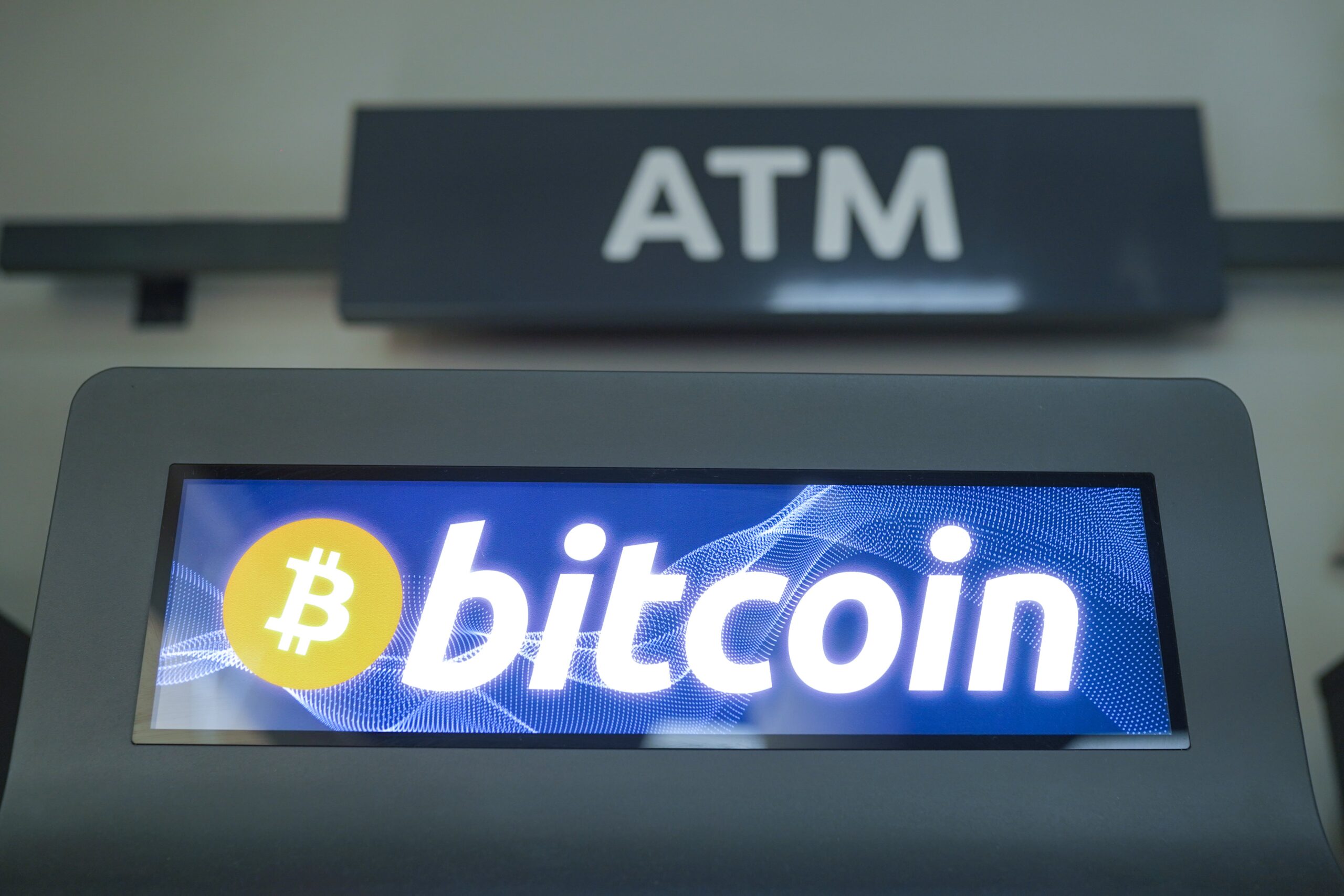
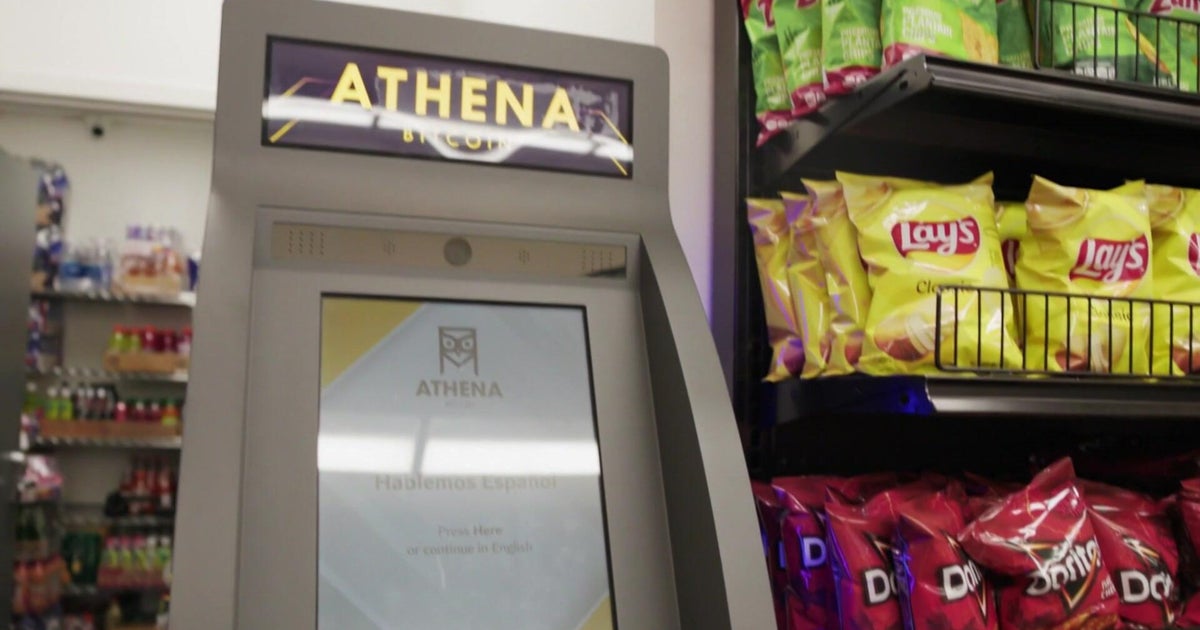
A new state ban on cryptocurrency kiosks is taking effect on Saturday, shutting down machines that state officials say scammers have used to swindle nearly $1 million from residents, according to cbsnews.com. Under the legislation, the kiosks must be taken offline by Saturday and physically removed from stores by the end of the year.
Minnesota Enforces Statewide Ban on Cryptocurrency Kiosks
When the bill to ban the kiosks passed during the most recent legislative session, approximately 350 licensed cryptocurrency kiosks operated across Minnesota, managed by eight companies. Regulated cryptocurrency websites will remain accessible online for Minnesotans.
Investigation Findings and Support for the Legislation
Officials with the Minnesota Department of Commerce reported investigating 134 complaints involving crypto kiosks between 2023 and 2025. During that timeframe, victims in the state lost nearly $1 million. Law enforcement officials noted that the converted cryptocurrency is difficult to trace because transactions typically lead overseas.
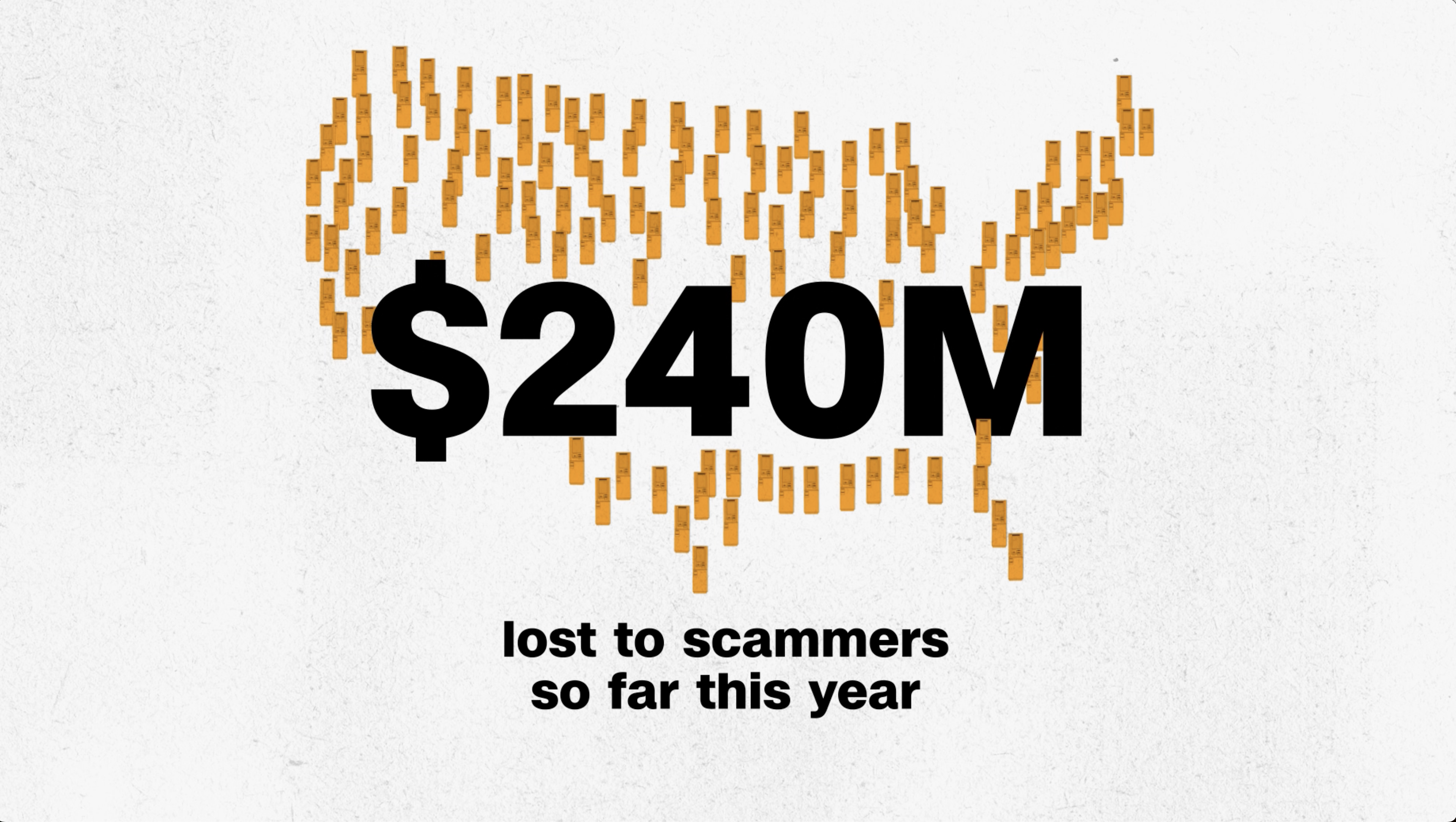
The ban received backing from local law enforcement, the Minnesota Bureau of Criminal Apprehension, and the American Association of Retired Persons, among other organizations. A 2024 report by the FBI revealed nearly 11,000 complaints nationwide involving cryptocurrency kiosks, resulting in more than $240 million in losses, with the vast majority of complaints affecting individuals over the age of 60.
There is no safe crypto kiosk,
said Minnesota Department of Commerce Commissioner Grace Arnold according to cbsnews.com. Every complaint represents a Minnesotan whose life was turned upside down by a scammer. By banning these machines, Minnesota is shutting down one of the most effective tools scammers have used to steal from consumers.
Mechanics of Kiosk Scams and Victim Experiences
State officials detailed how scammers manipulate victims into using the machines. Perpetrators often contact individuals to create fear or urgency by claiming there is an arrest warrant, a compromised bank account, a grandchild needing bail money, or a financial emergency involving an online acquaintance.
A scammer contacts someone and creates a sense of urgency or fear. They may claim there is an arrest warrant for that person, their bank account has been compromised, that a grandchild needs bail money or someone they have established a relationship online is facing a financial emergency,
said Sara Payne with the Minnesota Department of Commerce as reported by cbsnews.com.
Victims are instructed to withdraw money from their bank, drive to a kiosk, and deposit cash, which is converted to cryptocurrency and transferred to criminals within seconds. Sister Agnes Foley recounted falling victim to a scheme in March 2025 after her computer displayed a notification that she had been hacked. Although she initially sought out a kiosk in a store, the machine was nonfunctional, allowing her to eventually halt the transaction with assistance from a computer help specialist at her home.
When the bill was first introduced, a spokesperson for cryptocurrency kiosk operator CoinFlip stated that the company takes consumer protection seriously and holds itself to high standards of compliance and transparency.
Keep reading