Shadows of Silence: Investigating Allegations of Sexual Abuse Within the Old Apostolic Lutheran Church of America
For generations,the Old apostolic lutheran Church of America (OALC) has maintained a distinct separation from the modern world,prioritizing a simple,modest lifestyle rooted in strict adherence to traditional beliefs. But beneath this veneer of devout faith, a disturbing pattern of alleged sexual abuse has begun to emerge, raising serious questions about the church’s handling of these sensitive cases adn its potential to protect vulnerable members. This investigation, stemming from months of reporting and interviews with alleged victims and former church members, reveals a system where internal guidelines appear to prioritize forgiveness and reconciliation over mandatory reporting and victim safety, potentially allowing abuse to persist across multiple states and generations.
A Church Apart: The Foundations of Isolation
The OALC’s commitment to a life “simple and modest” is central to its identity. As outlined in church literature, members abstain from many common forms of entertainment – dancing, contemporary music, movies, and television are all considered “worldly pleasures” to be avoided. This deliberate isolation isn’t merely a matter of personal preference; it’s a core tenet of their faith, fostering a strong sense of community within the church while simultaneously distancing themselves from external influences.
“We Christians want to follow Jesus’ example and live a life that is simple and modest, whether it be our dress, our home or our way of life,” states a church booklet.”We do not believe it is right, nor do we have a need, to engage in worldly pleasures… the friendship we have in the church is so much more.”
This insular nature, while intended to strengthen faith, appears to have inadvertently created an environment where concerns about abuse were contained internally, shielded from outside scrutiny. Former members describe a culture where even accidental exposure to modern media could trigger feelings of guilt and the need for confession, highlighting the intense pressure to conform.
Internal Guidelines and the Question of Reporting
Our investigation began with a review of internal church guidelines,obtained during interviews with individuals familiar with OALC policies. while some directives – such as providing education and counseling for victims – appeared sensible, a specific section outlining a process for addressing harm raised significant concerns. The document details a staged approach: individual conversations with the victim, then with the abuser, and only if appropriate, a conversation involving both parties.
Crucially, the document makes no mention of mandatory reporting laws, leaving the decision to involve law enforcement largely at the discretion of church leaders. This lack of clear protocol is deeply troubling, notably given the sensitive nature of sexual abuse and the potential for further harm.
“we have guidelines in the church that we are told and instructed as a protection for both,” explained one individual,suggesting the intent was protective. However, the absence of mandated reporting raises the specter of prioritizing the reputation of the church over the safety and well-being of its members.
Beyond Minnesota: A Growing Pattern of allegations
Initial reporting focused on Minnesota, but the implications quickly expanded.The OALC operates 33 locations across the U.S. and Canada, and our investigation uncovered allegations spanning multiple states. We spoke with over a dozen alleged victims who named potential perpetrators in Delaware,Michigan,Wyoming,Washington state,and South Dakota.
During a recent interview, a church leader was asked about the potential for multiple victims to come forward, a common phenomenon in sexual abuse cases, as seen in the recent conviction of a youth pastor from Vineyard Church in Duluth.The response was startling: the leader admitted to being unfamiliar with the case, demonstrating a concerning lack of awareness regarding the impact of sexual assault and the patterns of abuse within other religious organizations.
This lack of understanding, coupled with the church’s isolationist tendencies, paints a picture of a community ill-equipped to address the complexities of sexual abuse and protect its most vulnerable members.
The Silence and Its Cost: A Call for Transparency
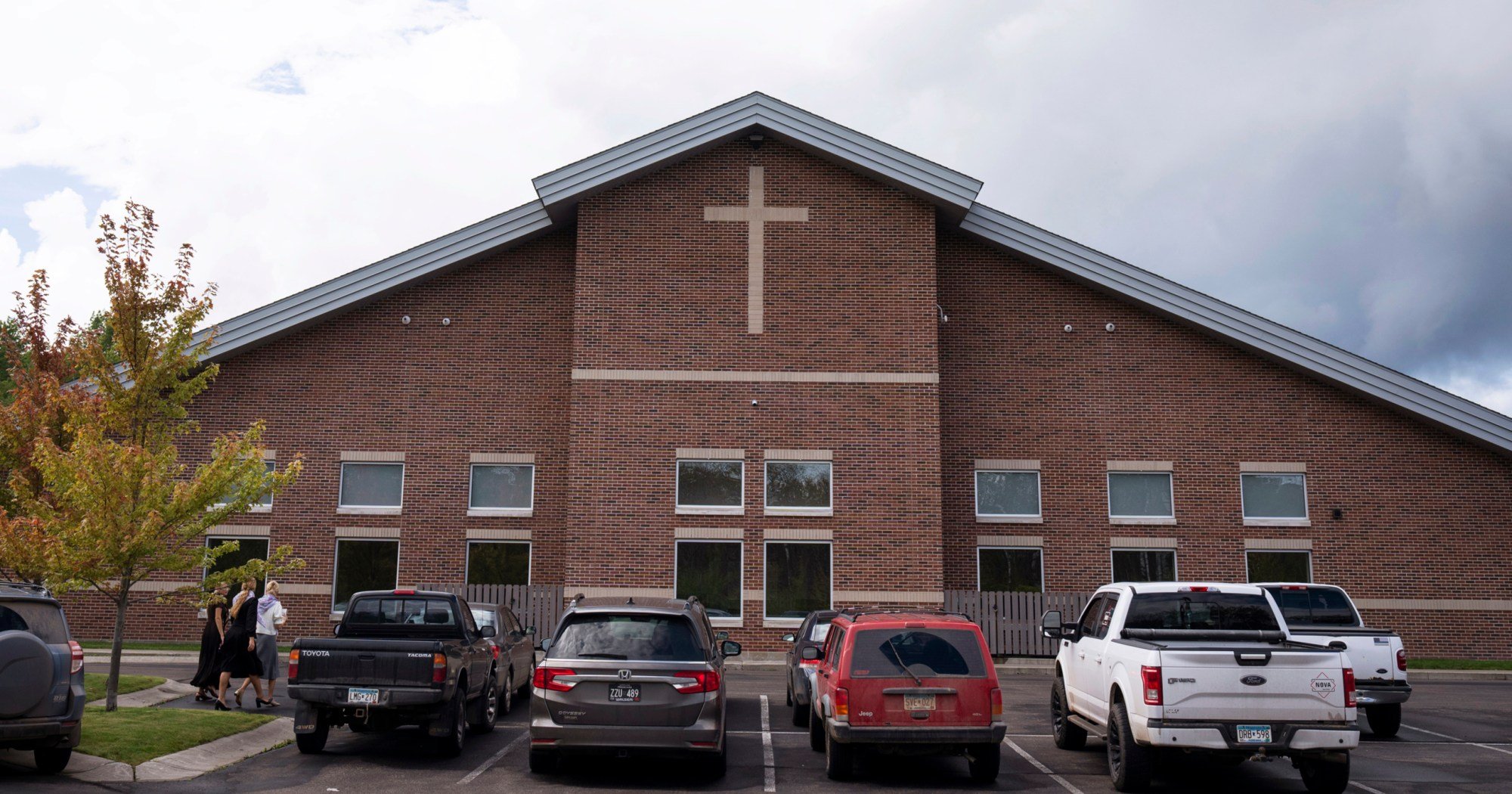
Attending a Sunday service in Duluth offered a glimpse into the OALC’s unique culture – hymns sung a cappella, women wearing headscarves, and children quietly playing with toys. But the peaceful scene couldn’t erase the weight of the allegations we had uncovered.
Sitting in the pews, observing families – particularly mothers with young daughters – the gravity of the situation became profoundly clear. The allegations suggest a pattern of abuse affecting multiple generations, compounded by a culture of silence that allowed perpetrators to operate with impunity.
The stories shared with us are harrowing,detailing not only the trauma of abuse but also the subsequent shame and isolation experienced by survivors. Breaking this silence is the first