
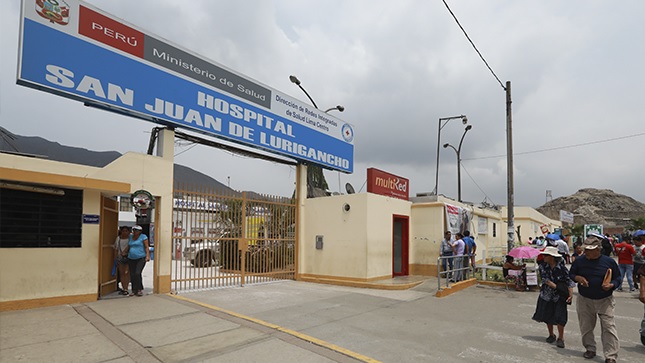
In a significant display of medical expertise, specialists at the Hospital San Juan de Lurigancho in Peru have successfully performed a complex surgical procedure to restore the mobility of an 83-year-old patient. The intervention, which utilized advanced internal fixation techniques, highlights the critical role of specialized orthopedic care in managing geriatric trauma and ensuring long-term recovery for elderly patients.
The patient, who had suffered a severe fracture, underwent a procedure involving a long cephalomedullary nail and wire cerclage. This specialized surgical approach is designed to provide robust stability to the bone, allowing for earlier mobilization—a crucial factor in preventing the secondary complications often associated with prolonged bed rest in older adults, such as pneumonia or deep vein thrombosis.
Understanding Geriatric Orthopedic Care
Orthopedic trauma in older patients requires a tailored approach that balances surgical precision with the physiological realities of aging. As we age, bone density often decreases, making fractures more complex to treat and recovery more challenging. The choice of a cephalomedullary nail—a device inserted into the femur to stabilize hip or proximal femoral fractures—is standard practice in modern trauma centers for patients with this profile.
The integration of wire cerclage provides additional tension-band support, helping to compress the fracture fragments and promote healing. For an 83-year-old patient, the goal of such surgical intervention is twofold: restoring anatomical alignment and enabling the patient to resume weight-bearing activity as soon as clinically appropriate. This helps preserve functional independence, which is a primary outcome metric in geriatric healthcare.
The Importance of Specialized Surgical Techniques
Medical innovation in orthopedic surgery continues to improve outcomes for aging populations worldwide. By utilizing minimally invasive techniques, surgeons can reduce blood loss and tissue trauma, which are critical for elderly patients who may have underlying health conditions. The successful outcome at the Hospital San Juan de Lurigancho serves as an example of how standardized, evidence-based surgical protocols can yield high-quality results even in complex, high-risk cases.
While orthopedic advancements are vital, the multidisciplinary nature of post-operative care—including physiotherapy, pain management, and nutritional support—remains the backbone of recovery. These integrated services ensure that patients not only heal from the surgical procedure but also regain the mobility required for daily living.
Next Steps and Future Updates
As the patient continues her recovery, the focus will shift toward rehabilitation and monitoring to ensure the hardware remains stable and bone healing progresses as expected. Future updates regarding the patient’s recovery or the hospital’s orthopedic department protocols will be monitored through official Ministry of Health (Minsa) communications.
We invite our readers to share their thoughts on the importance of access to advanced orthopedic care for the elderly. How do you view the balance between surgical intervention and long-term quality of life in geriatric medicine? Join the conversation in the comments section below.