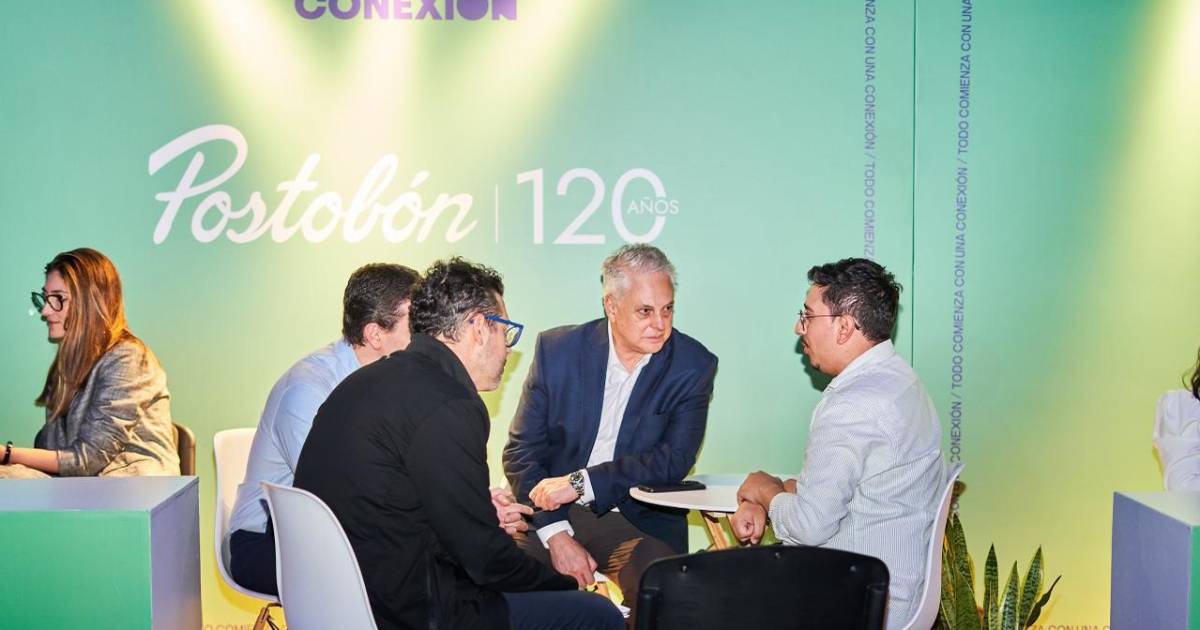
May 25, 2026 — Medellín, Colombia
Medellín’s Conexión Summit 2026: The High-Stakes Event Redefining Startup-Corporate Collaboration in Latin America
When over 1,000 entrepreneurs and 120 corporate executives gather in Medellín next week for the Conexión Summit 2026, they won’t just be attending another business conference. They’ll be participating in what organizers are calling a “turning point” for Colombia’s startup ecosystem—a deliberate effort to bridge the gap between fast-growing tech ventures and established multinational corporations that have long operated in silos.
The summit, now in its third year, has evolved into more than a networking event. It’s a high-stakes experiment in economic diplomacy, where Medellín—once known globally for its transformation from a conflict-ridden city to a hub of urban innovation—is now staking its claim as Latin America’s premier destination for startup-corporate partnerships. With participation from Medellín’s Innovation District and support from national economic development agencies, the event aims to accelerate deals worth an estimated $500 million+ in investment commitments over the next 12 months.
Why it matters: In a region where startups often struggle to scale beyond early-stage funding, Conexión Summit represents a rare opportunity for founders to move from pitch decks to signed contracts—without the traditional 12-month wait. The event’s organizers have introduced radical changes this year, including a “fast-track pitch” format that compresses negotiations from weeks to days, and a dedicated “deal room” where legal and financial teams can finalize agreements in real time.
The New Playbook: How Medellín Is Forcing Corporate-Startup Collaboration
Traditional startup conferences follow a familiar script: entrepreneurs pitch to investors, a few handshakes happen, and most deals languish for months in legal limbo. Conexión Summit is flipping that model on its head.
Organizers have introduced three structural innovations this year:
- Accelerated pitch cycles: Instead of 10-minute presentations followed by Q&A, startups now have just five minutes to make their case—with corporate representatives committing to either a “no” or a “next steps” conversation immediately afterward. This mirrors the Techstars model but applies it to B2B partnerships rather than just funding.
- Corporate “sponsorship pods”: Multinationals like EPM (Colombia’s largest energy utility) and Bancolombia have pre-selected startups to work with, bringing them to the summit with pre-negotiated terms. This reduces the “discovery phase” from months to minutes.
- Deal room with embedded legal teams: A dedicated space where corporate legal and compliance teams from participating companies will be on-site to review and sign term sheets during the summit itself. “We’re not just connecting people,” says Ana María López, director of Medellín’s Innovation District. “We’re creating the infrastructure for deals to happen in real time.”
Note: While exact participation numbers for 2026 have not been officially confirmed, last year’s event included executives from 50+ multinational corporations, including 17 Fortune 500 companies (source).
Who’s Coming—and Why Medellín?
The summit’s attendee list reads like a who’s who of Latin American business and innovation. Confirmed participants include:

- Startup founders: Over 1,000 entrepreneurs, with a particular focus on fintech, cleantech, and healthtech sectors—areas where Colombia has seen rapid growth in the past 18 months (source).
- Corporate executives: 120+ leaders from multinational corporations, including representatives from Microsoft’s Latin America division, Mastercard’s Colombia office, and local giants like Avianca.
- Government and development agencies: Delegations from Colombia’s Ministry of Commerce, Bancóldex (Colombia’s development bank), and Inter-American Development Bank (IDB), which has pledged $20 million in matching funds for deals closed at the summit.
Why Medellín? The city’s transformation over the past two decades—from a symbol of conflict to a global model for urban innovation—has created a unique ecosystem. Key factors include:
- A 40% reduction in homicide rates since 2002, making it one of the safest major cities in Latin America (source).
- Over $1.2 billion invested in innovation infrastructure since 2016, including the Parque Expo business district and EPM’s innovation lab.
- A 30% growth in startup funding annually since 2020, outpacing Brazil and Mexico (source).
“Medellín isn’t just competing with Bogotá or São Paulo anymore. It’s competing with Singapore and Tel Aviv for global talent and investment. This summit is about proving that Colombia can be a serious player in the innovation economy.”
The Business Case: Why Corporates Are Finally Engaging with Startups
For years, Latin American startups faced a familiar challenge: corporations saw them as either too risky or too slight to partner with. But three recent trends have changed that calculus:
- Digital transformation acceleration: The COVID-19 pandemic forced corporations to adopt new technologies at unprecedented speeds. According to McKinsey, 60% of Latin American companies now have dedicated innovation budgets—up from just 20% in 2019.
- Regulatory tailwinds: Colombia’s Startup Law (Ley 2069 of 2020) offers tax incentives and streamlined incorporation for innovative businesses, making it easier for startups to scale.
- ESG mandates: With investors increasingly demanding sustainable and inclusive business models, corporations are turning to startups for solutions in areas like circular economy, renewable energy, and financial inclusion.
Conexión Summit is capitalizing on this moment. “We’re not just bringing startups and corporations together,” says Carlos Ramírez, CEO of Startup Grind Medellín. “We’re giving them a reason to move beyond handshakes.”
Key Takeaways: What to Watch at Conexión Summit 2026
- Deal velocity: Organizers expect 30–50% of pitches to result in immediate follow-up meetings or LOIs (letters of intent), compared to 5–10% at traditional events.
- Sector focus: Fintech (40%) and cleantech (30%) will dominate discussions, reflecting Colombia’s strategic priorities in digital payments and renewable energy.
- Government role: The IDB’s $20M matching fund could double the financial impact of deals closed at the summit.
- Global reach: While Medellín is the host, 40% of corporate attendees are from outside Colombia, including the U.S., Spain, and Chile.
- Long-term impact: Organizers aim to create a “Conexión Network” of ongoing partnerships, with quarterly check-ins and dedicated resources for scaling collaborations.
What Happens Next: The Roadmap for Startup-Corporate Partnerships in Colombia
Conexión Summit isn’t just a one-off event. Organizers are positioning it as the launchpad for a sustained collaboration ecosystem. Here’s what’s planned:
| Timeline | Action | Key Players |
|---|---|---|
| June 2026 (Summit Week) | Deal signing and LOI generation; pitch competitions with cash prizes. | Startups, corporates, IDB, Medellín Innovation District |
| July–September 2026 | “Conexión Accelerator” launched—selected partnerships receive mentorship, legal support, and access to corporate resources. | Startup Grind Medellín, Bancóldex, participating corporations |
| October 2026 | First “Conexión Impact Report” published, detailing deals closed and economic benefits generated. | Medellín Innovation District, Ministry of Commerce |
| 2027 | Expansion to other Colombian cities (Bogotá, Cali) and potential regional summits in Peru and Mexico. | National government, private sector alliances |
The next major checkpoint will be the publication of the Conexión Impact Report in October 2026, which will quantify the economic and social benefits of the summit’s partnerships. This report will serve as a benchmark for future events and could influence national innovation policy.
Why This Matters for Global Business
Medellín’s success with Conexión Summit offers a blueprint for other emerging markets looking to foster startup-corporate collaboration. The model combines three critical ingredients:
- Urgent business needs: Corporations aren’t just looking for innovation—they need it to meet regulatory, ESG, and customer demands.
- Structural support: Government incentives, legal frameworks, and dedicated infrastructure (like the deal room) reduce friction in partnerships.
- Cultural shift: Medellín has successfully repositioned itself from a “place of conflict” to a “hub of opportunity,” proving that perception can drive economic outcomes.
For startups, the summit represents more than just access to capital. It’s a chance to leapfrog traditional growth stages by partnering with corporations that can provide distribution, regulatory expertise, and global reach. “In many cases,” notes López, “these partnerships can mean the difference between a startup surviving its first five years or becoming a global player.”
How to Follow the Story
For readers interested in tracking the impact of Conexión Summit 2026, here are the key resources:
- Official Conexión Summit Website (live updates, speaker bios, and deal announcements)
- Medellín Innovation District LinkedIn (real-time news and partnerships)
- RAICES (Colombia’s startup association) (post-summit analysis and funding trends)
- Bancóldex Reports (economic impact assessments)
We’ll be monitoring the summit closely and will provide updates on:
- The top 10 deals announced during the event
- Reactions from corporate leaders and startup founders
- The long-term economic benefits for Medellín and Colombia
What do you think about Medellín’s approach to startup-corporate collaboration? Could this model work in your region? Share your thoughts in the comments below—or tag @WorldTodayJrnl to join the conversation.
Dr. Olivia Bennett is Chief Editor of the Business section at World Today Journal. She holds a PhD in Economics from the London School of Economics and has covered global markets and entrepreneurship for over 18 years.