
The landscape of professional tennis has shifted as nineteen-year-old Mirra Andreeva claimed her maiden Grand Slam title at the French Open on Saturday. In a commanding performance on the clay courts of Roland Garros, the eighth-seeded Russian secured a 6-3, 6-2 victory over Polish qualifier Maja Chwalinska. This triumph marks a significant milestone in the career of the teenager, who has navigated a demanding tournament bracket to hoist one of the most prestigious trophies in the sport.
The victory establishes Andreeva as the first teenager to win the French Open crown since Iga Swiatek achieved the feat in 2020. Her path to the final—a journey defined by technical precision and mental fortitude—culminated in a match that underscored her emergence as a formidable force on the international circuit. For Chwalinska, the tournament represented a historic run, as she became the first qualifier in the history of the French Open to reach the final round, a testament to her resilience throughout the qualifying and main draw stages.
The Roland Garros tournament, organized annually by the Fédération Française de Tennis, remains a cornerstone of the professional tennis calendar. As the only Grand Slam played on clay, the event demands unique tactical adjustments from players, often favoring those with exceptional endurance and baseline consistency. Andreeva’s ability to adapt to the surface throughout this year’s tournament has been a focal point for analysts monitoring the next generation of WTA talent.
A Historic Teenage Triumph
Mirra Andreeva’s ascent to the top of the podium at Roland Garros signals a notable transition in the women’s game. By capturing the title at nineteen, she joins an elite list of young champions who have navigated the immense pressure of the Parisian stage. The French Open, which concluded its 2026 edition this weekend, consistently serves as a barometer for rising stars, and Andreeva’s performance has set a high benchmark for the remainder of the season.

The match itself was characterized by Andreeva’s tactical discipline. By minimizing unforced errors and effectively neutralizing Chwalinska’s serve, the eighth seed maintained control throughout both sets. The scoreline of 6-3, 6-2 reflects a dominant display, particularly in key moments where break points were contested. For tennis enthusiasts and observers of the sport, this final provided a clear look at the evolving power dynamics within the Women’s Tennis Association (WTA) rankings.
The Journey of a Qualifier
While the spotlight remained on the champion, Maja Chwalinska’s performance throughout the event earned widespread recognition. Reaching the final as a qualifier is a statistical rarity in modern Grand Slam history, requiring a player to win three qualifying matches followed by seven main-draw contests. This grueling path often leaves competitors physically and mentally drained by the time they reach the final, yet Chwalinska’s presence in the trophy match highlighted the unpredictability that defines the clay-court season.
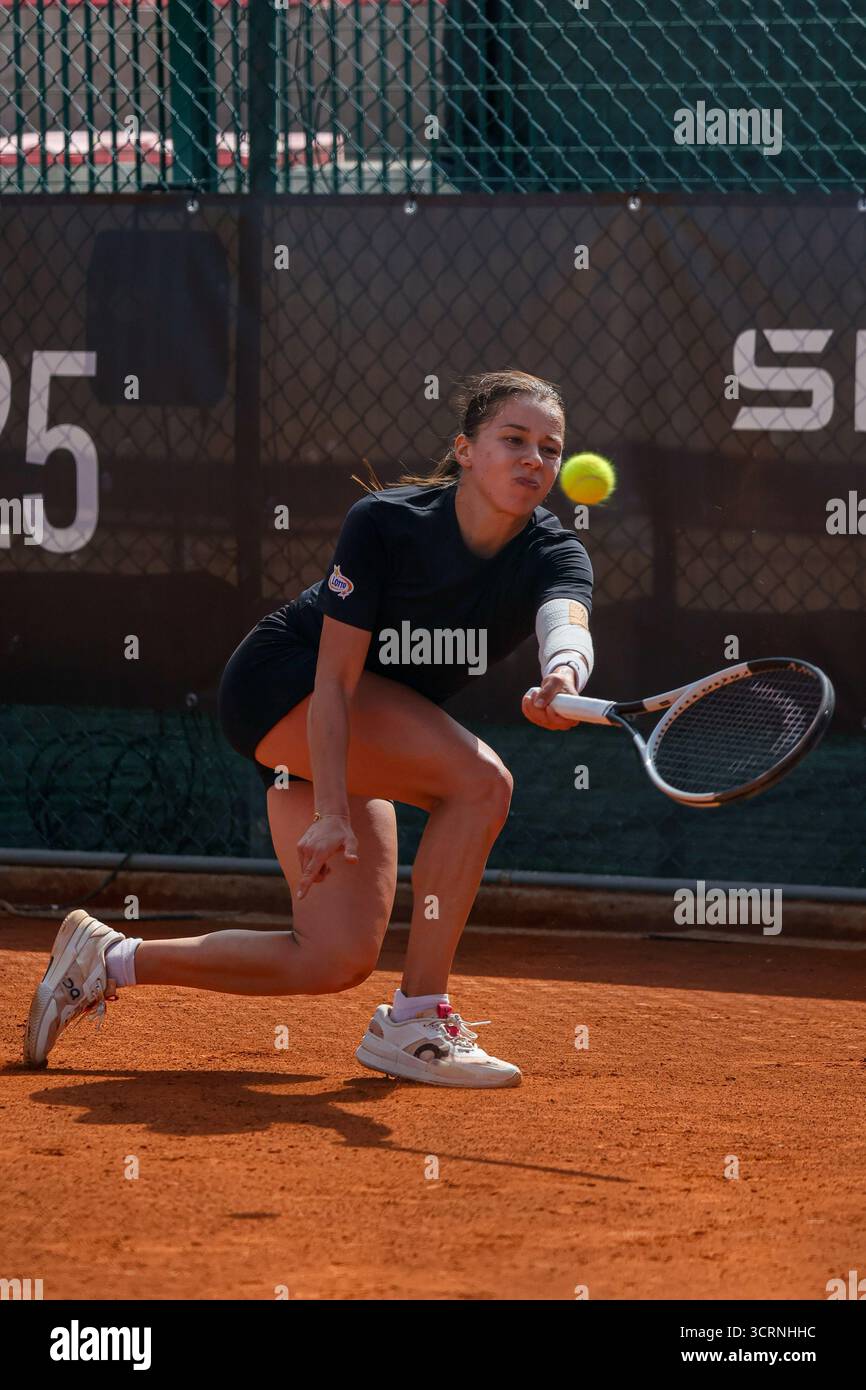
Her historic run to the final serves as an inspiration for lower-ranked players, illustrating the potential for deep tournament progression regardless of pre-tournament seeding. The infrastructure of the Grand Slams, which allows for open qualifying, ensures that the path to the championship remains accessible to those who demonstrate exceptional form on the court. As the tennis community looks toward the grass-court season, the performances of both Andreeva and Chwalinska will undoubtedly be analyzed for their long-term implications on the WTA tour.
Reflecting on the 2026 Roland Garros Season
The 2026 French Open has provided significant insights into the current state of professional tennis. With a mix of seasoned veterans and emerging talent, the tournament showcased the physical demands of modern play. The victory for Andreeva not only adds a Grand Slam title to her resume but also shifts the expectations for her upcoming appearances in major tournaments. Following the conclusion of the event, the focus of the tennis world shifts to the next major stop on the professional calendar, where players will adjust their techniques for the transition to faster surfaces.
As the curtains close on this year’s competition, the official results and player rankings are expected to be updated by the WTA and the International Tennis Federation (ITF) in the coming days. These updates are crucial for determining entry lists and seedings for the subsequent Grand Slam events. The tennis community remains attentive to these official channels for the most accurate data regarding the post-tournament standing of the athletes involved.
Looking ahead, fans and analysts are already turning their attention to the upcoming summer tournaments. The next major checkpoint for the professional circuit will be the official release of the updated world rankings, which will reflect the significant points awarded for success at Roland Garros. We invite our readers to share their thoughts on this year’s final in the comments section below and stay tuned to World Today Journal for continued coverage of the professional tennis season as it unfolds.
Related reading