The Crucial Role of Chromosome Crossovers in Healthy Reproduction: From yeast to Humans
The creation of life hinges on the accurate transmission of genetic details from parents to offspring. A essential process ensuring this accuracy – and driving genetic diversity – is chromosomal crossover, a complex molecular dance occurring during the formation of egg and sperm cells. Recent research, spearheaded by Dr. Nick Hunter at UC Davis, is shedding light on the intricate mechanisms governing crossovers and, crucially, what happens when this process goes awry, leading to infertility, miscarriage, and genetic disorders.
Why Crossovers Matter: Ensuring Genetic Integrity and Diversity
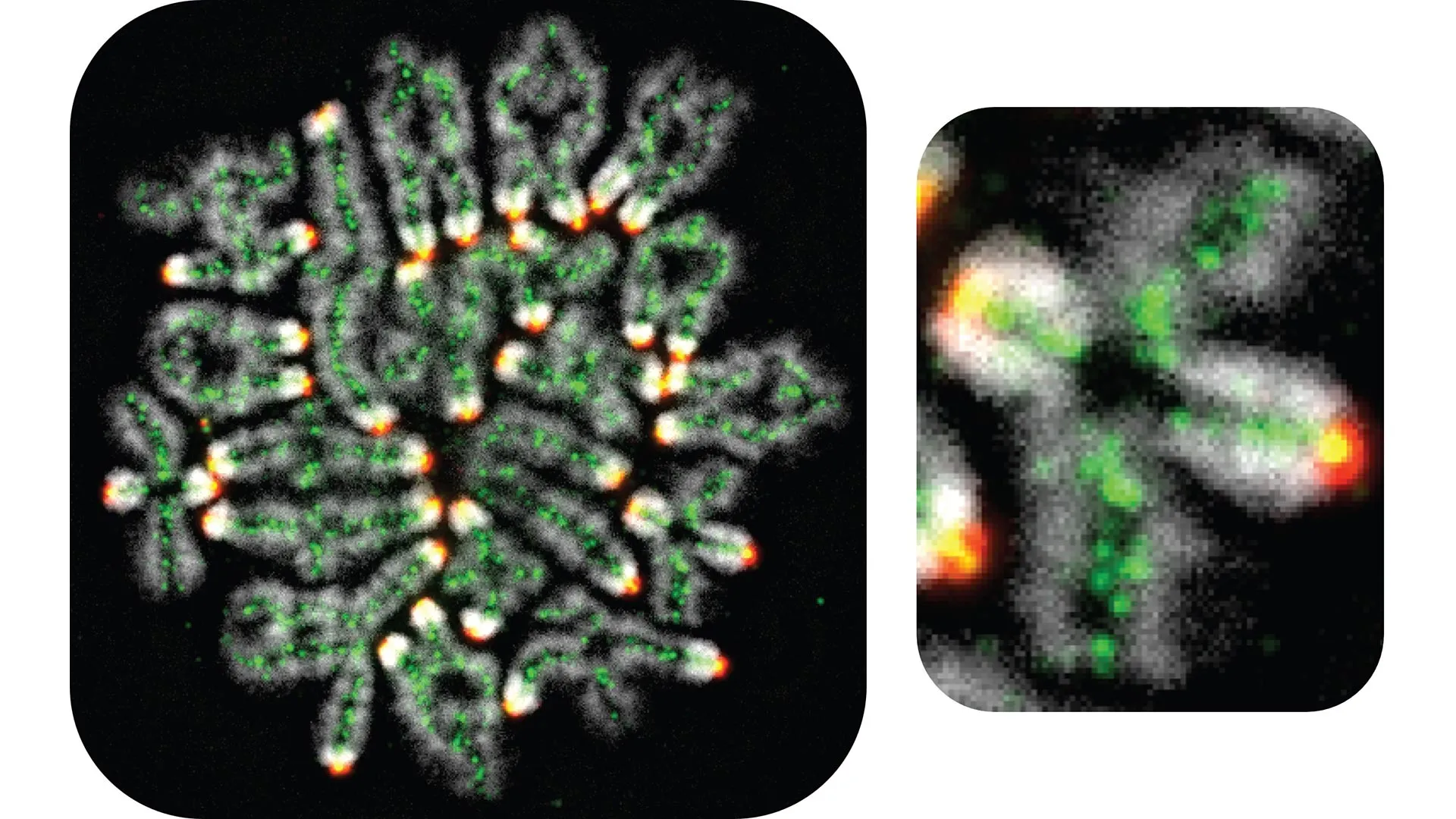
During meiosis – the cell division process that creates gametes (eggs and sperm) – paired chromosomes don’t simply separate. Rather, they engage in a remarkable exchange of genetic material.parental chromosomes physically break and rejoin with each other, a process known as a crossover. This isn’t merely a shuffling of genes; it serves two vital functions.
First,crossovers generate unique combinations of genes on each chromosome,contributing significantly to the genetic diversity observed in offspring. this diversity is the engine of evolution and allows populations to adapt to changing environments. Second, and perhaps even more critically, crossovers physically maintain the connection between chromosome pairs. These connections are essential guides during cell division, ensuring each gamete receives a complete and accurate set of chromosomes.
The Double Holliday Junction: A Molecular Hub of Exchange
The physical exchange of DNA occurs through the formation of a structure called a “double Holliday junction.” Here, matching DNA strands from paired chromosomes are intertwined, then precisely cut and rejoined to create the crossover. This process is remarkably conserved across species, from single-celled yeast to complex organisms like humans.
However, the timing and duration of this connection differ significantly between sexes. in males, the crossover process is relatively swift, with immature sperm cells dividing soon after crossover formation. Females, though, face a unique challenge. Immature egg cells, formed during fetal development, can remain in a suspended state for decades, awaiting ovulation. This means the crossover connections – and the genetic integrity they represent – must be maintained for years, even decades.
The Consequences of Crossover Failure: A Pathway to Reproductive Issues and Genetic Disorders
Maintaining these connections is paramount. If chromosome pairs lose contact, they can segregate incorrectly during cell division, resulting in gametes with an abnormal number of chromosomes. This phenomenon, known as aneuploidy, is a leading cause of infertility, miscarriage, and genetic disorders.
A prime example is Down syndrome (Trisomy 21),where an individual is born with an extra copy of chromosome 21,leading to cognitive impairment,heart defects,and other health problems. The implications of crossover failure extend beyond Down syndrome, contributing to a range of other genetic conditions and reproductive challenges.
Unraveling the Molecular Machinery: A Yeast-to-Human Approach
dr. Hunter’s research team has been at the forefront of deciphering the molecular mechanisms that govern crossover formation and maintenance. Leveraging the power of Saccharomyces cerevisiae (baker’s yeast) – a model organism allowing for direct visualization of these events – they’ve identified dozens of proteins involved in processing the double Holliday junction.
Using a groundbreaking technique called “real-time genetics,” the team systematically degraded specific proteins within the junction-associated structures, then analyzed the resulting DNA to determine the impact on crossover formation. This approach allowed them to build a detailed understanding of the intricate network of proteins working in concert to ensure accurate crossover events.
Key Discoveries: The Protective Role of Cohesin
A pivotal finding emerged from this research: the identification of key proteins, notably cohesin, that protect the double Holliday junction from premature dismantling by an enzyme complex called STR (or Bloom complex in humans). Cohesin acts as a guardian, preventing the inappropriate breakdown of the junction before a triumphant crossover can be completed.
“They protect the double Holliday junction,” Dr. Hunter explains. “That is a key finding.” This protective function is crucial for maintaining the integrity of the crossover connection, especially in the long-lived immature egg cells of females.
Implications for Human Health and Future Research
The meaning of this research extends far beyond the laboratory. As the fundamental process of crossover formation is remarkably conserved across species, the insights gained from yeast studies are directly relevant to human reproduction. Failure to protect double Holliday junctions might potentially be a contributing factor to fertility problems in humans, and understanding the underlying mechanisms could pave the way for new diagnostic tools and therapeutic interventions.
dr. Hunter’s work, supported by the National Institutes of Health and the Howard Hughes Medical Institute, underscores the importance of fundamental research in unraveling the complexities of life and addressing critical challenges in human health. The collaborative effort, involving postdoctoral researchers like Shangming Tang and a dedicated team of undergraduate students, highlights the power of interdisciplinary research and the next generation of scientific leaders
Related reading