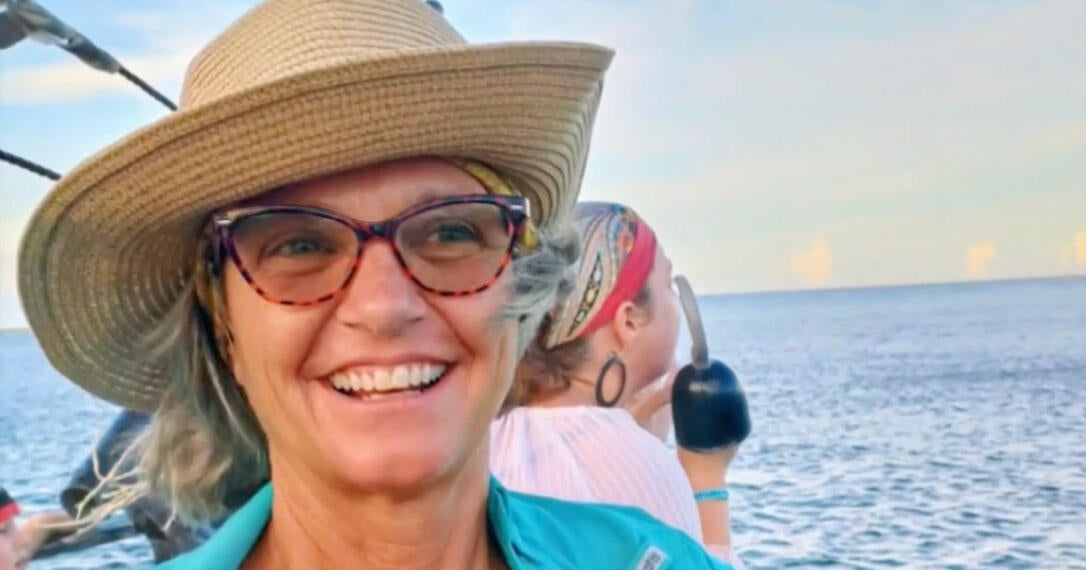
Authorities and family members are intensifying their search for Lynette Hooker, a Michigan woman who went missing in the Bahamas, amid emerging reports that she may have returned to her sailboat shortly before her disappearance. The case has drawn significant attention as federal investigators and local law enforcement continue to examine the circumstances surrounding her last known movements, with family members raising questions regarding the official account of events provided by her husband, Brian Hooker.
According to reports from law enforcement and family statements, the investigation into Hooker’s disappearance has transitioned into a complex multi-agency effort. The U.S. Coast Guard has been involved in the search and recovery process, which recently included the seizure of the vessel associated with the couple to facilitate a forensic examination. The legal and investigative scrutiny remains focused on the timeline of the boat’s journey through Bahamian waters and the conflicting narratives regarding when and where Hooker was last seen.
Investigation Timeline and Vessel Seizure
The U.S. Coast Guard’s involvement in the case gained prominence following the seizure of the sailboat, a move that officials typically undertake to preserve evidence in potential maritime incidents or criminal investigations. While specific details of the forensic findings remain under seal or pending further analysis, the seizure highlights the gravity of the ongoing inquiry into how a person could vanish from a private vessel in the region. According to documentation from local reporting, the vessel was taken into custody to determine if there is physical evidence that could clarify the events that transpired on the water.

The timeline of the disappearance remains a central point of contention. While initial reports suggested a potential accident at sea, subsequent information provided by sources close to the investigation indicates that there is reason to believe Hooker may have been back on board the craft after she was previously thought to have been separated from it. This discrepancy has prompted investigators to re-evaluate witness statements and electronic logs that might track the vessel’s movements near the Bahamas at the time of the incident.
Family Concerns and Public Allegations
The mother of the missing woman has publicly challenged the account provided by Brian Hooker, alleging that the information he shared regarding his wife’s disappearance is inconsistent. In statements shared with various news outlets, the mother has characterized the situation as suspicious, suggesting that foul play cannot be ruled out. These allegations have added a layer of personal conflict to the broader search effort, creating a public divide between the family’s perspective and the accounts provided to law enforcement.

Law enforcement agencies have not yet issued a formal determination regarding the presence of foul play, maintaining that the case remains an open and active missing person investigation. The discrepancy between the family’s public statements and the information provided by the husband has become a focal point for observers tracking the case. As of the latest updates, no criminal charges have been filed, and officials continue to process evidence gathered from the seized vessel to establish a definitive timeline of the events.
Maritime Safety and Legal Jurisdiction
Operating a vessel in the Bahamas involves navigating complex maritime laws and international search-and-rescue protocols. When a disappearance occurs in international or foreign territorial waters, the responsibility for the search typically falls under the jurisdiction of the local government, with the U.S. Coast Guard providing assistance when U.S. citizens are involved. The legal framework governing these incidents often relies on the Maritime Law Enforcement Act, which allows for cooperation between U.S. authorities and foreign counterparts to investigate potential crimes at sea.
For families of those lost at sea, the process of obtaining information can be protracted, as forensic analysis of a vessel can take several weeks or months depending on the nature of the evidence recovered. Authorities emphasize that members of the public should rely on official releases from the Bahamian police or the U.S. Coast Guard for updates on the search status. As the investigation proceeds, the focus remains on reconciling the physical evidence from the boat with the testimonies provided by those who were present during the voyage.
The next steps in the investigation are expected to involve a review of the forensic data retrieved from the sailboat, which may provide the clarity needed to determine whether the case will remain a missing person file or transition into a criminal matter. The public and the family await further updates from the authorities in the Bahamas, who hold primary jurisdiction over the investigation. Those with information regarding the case are encouraged to contact local law enforcement or the appropriate maritime authorities to assist in the ongoing inquiry.