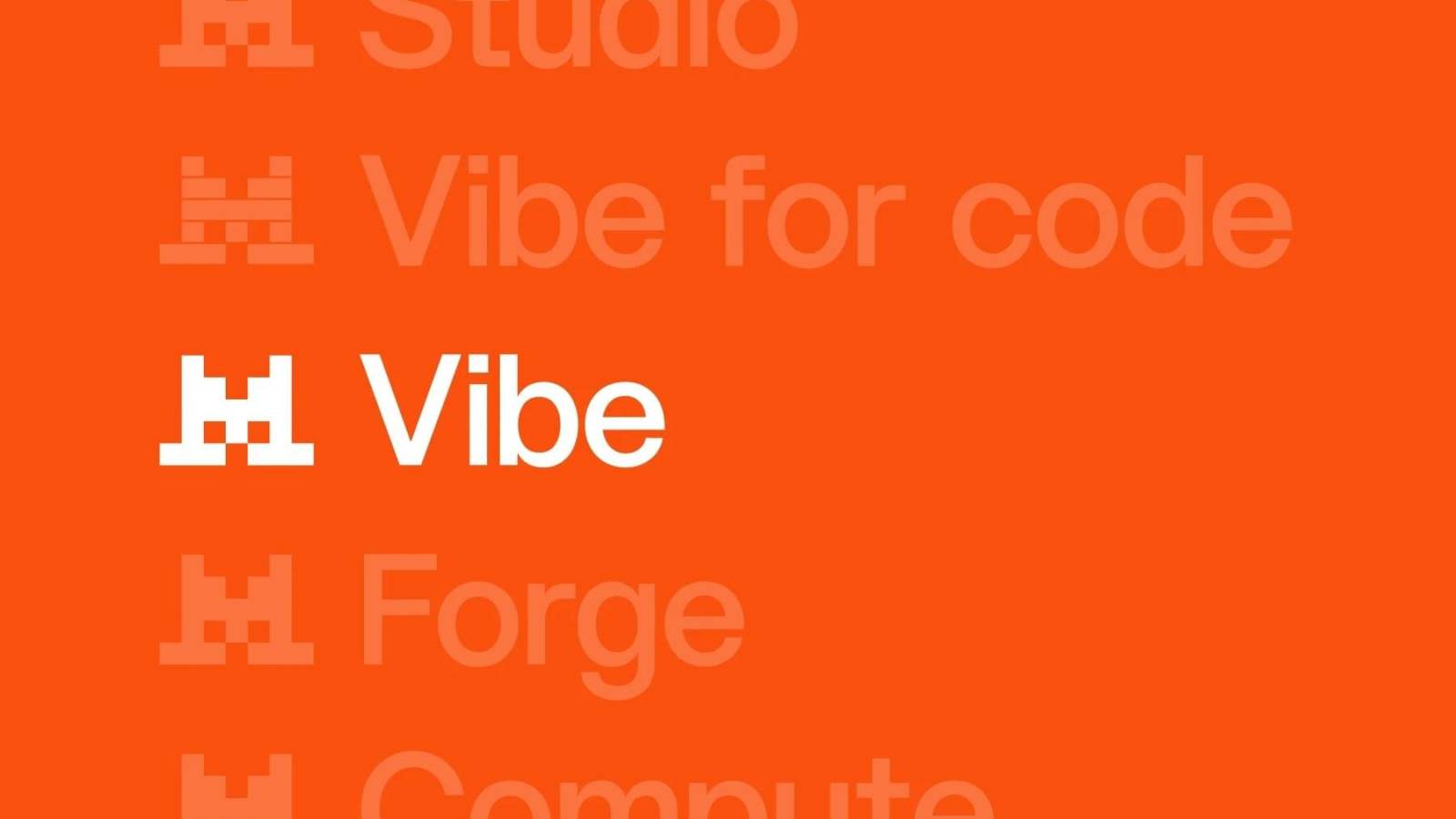
Paris-based artificial intelligence developer Mistral AI has officially rebranded its primary conversational interface, transitioning from the previously known “Le Chat” to its new identity: Vibe. This strategic shift, announced as part of the company’s broader push into enterprise-grade productivity, signals a clear intent to align its consumer-facing tools with the professional-tier requirements of its global clientele. As the competitive landscape for generative AI intensifies, the introduction of Vibe reflects a pivot toward specialized, long-horizon task management that extends beyond simple conversational queries.
For users familiar with the previous interface, the transition to Vibe is not merely cosmetic. The platform is now structured around three distinct operational modes—Chat, Work, and Code—designed to cater to specific user workflows. By integrating these capabilities into a single interface, Mistral AI is positioning its technology as a comprehensive agent capable of navigating complex, multi-step projects, a development that underscores the industry’s shift from static chatbots to proactive AI agents. According to official product documentation, the platform is engineered to remain “fluent” in a user’s existing knowledge base and software tools, effectively bridging the gap between general intelligence and task-specific execution.
Redefining the AI Agent Experience
The rebranding to Vibe brings a focus on what the company describes as “long-horizon tasks,” a terminology that suggests the platform is intended to manage workflows that evolve over time rather than providing single-turn answers. In the current enterprise environment, the ability to automate repetitive processes while maintaining data sovereignty is a primary differentiator. Mistral AI has emphasized that its latest iteration is designed to be “grounded in the knowledge and tools your teams already use,” a feature set intended to reduce the friction often associated with adopting new AI infrastructure.
The “Work” mode, in particular, highlights the company’s objective to serve professional environments. By allowing users to draft frameworks for recurring meetings—such as Quarterly Business Reviews (QBRs)—or summarize unread emails, the tool aims to function as an extension of the user’s professional capacity. This focus on utility is bolstered by the company’s broader infrastructure, which enables organizations to fine-tune models on proprietary data. As noted in company-provided resources, these systems allow for full data residency, providing a level of control that remains a critical requirement for sectors including finance, manufacturing, and the public sector.
Integration and Technical Capability
A significant portion of the Vibe announcement centers on its coding capabilities. By enabling the platform to write, test, and deploy code across a codebase, Mistral AI is targeting software development teams who require high-speed iteration without sacrificing architectural oversight. The design philosophy here is to allow developers to focus on higher-level logic while the AI handles the execution of deployment tasks. This tiered approach—separating the agentic work of coding from the human oversight of system architecture—represents a growing trend in software engineering productivity tools.

The broader ecosystem surrounding Vibe includes partnerships across diverse industries. From accelerating semiconductor lithography at ASML to streamlining global maritime operations for CMA CGM, the company has increasingly demonstrated its capacity to scale its models for specific industrial challenges. Each of these implementations relies on the same “frontier-grade” infrastructure that powers the new Vibe interface. These collaborations provide a glimpse into how the company intends to maintain its market position: by providing modular, adaptable AI systems that can be integrated into the existing technology stacks of major institutional clients.
What Which means for the AI Landscape
The move to rebrand Le Chat as Vibe is reflective of a wider industry trend where the “chatbot” label is increasingly viewed as an insufficient descriptor for the capabilities of modern large language models. As AI systems become more agentic—meaning they can perform actions on behalf of users rather than just generating text—the terminology is evolving to reflect this autonomy. The emphasis on “intelligence you own, not rent” is a clear appeal to enterprises concerned about vendor lock-in and the security of their proprietary information.
For individual users and professional teams, the transition invites a re-evaluation of how AI can be utilized in daily operations. Rather than treating an AI interface as a standalone search tool, the new framework encourages users to view the platform as an integrated workspace. As these tools continue to evolve, the distinction between a passive assistant and an active agent will likely become the primary metric by which users determine the value of their AI investments.
Key Takeaways
- Rebranding: The interface formerly known as Le Chat has been officially renamed Vibe.
- Operational Modes: Vibe introduces three specific modes—Chat, Work, and Code—to streamline different types of professional tasks.
- Agentic Focus: The platform is designed for “long-horizon tasks,” focusing on multi-step processes and tool integration.
- Enterprise Utility: Mistral AI continues to emphasize data residency and model customization, aiming to provide “intelligence you own” to institutional users.
As of May 30, 2026, the transition is active, and users can access the updated interface directly through the company’s product portal. For those interested in the latest technical developments, the company regularly publishes updates regarding its research and industrial applications through its official channels. We invite our readers to share their experiences with the new Vibe interface in the comments section below as we continue to track the evolution of these frontier AI agents.

Keep reading