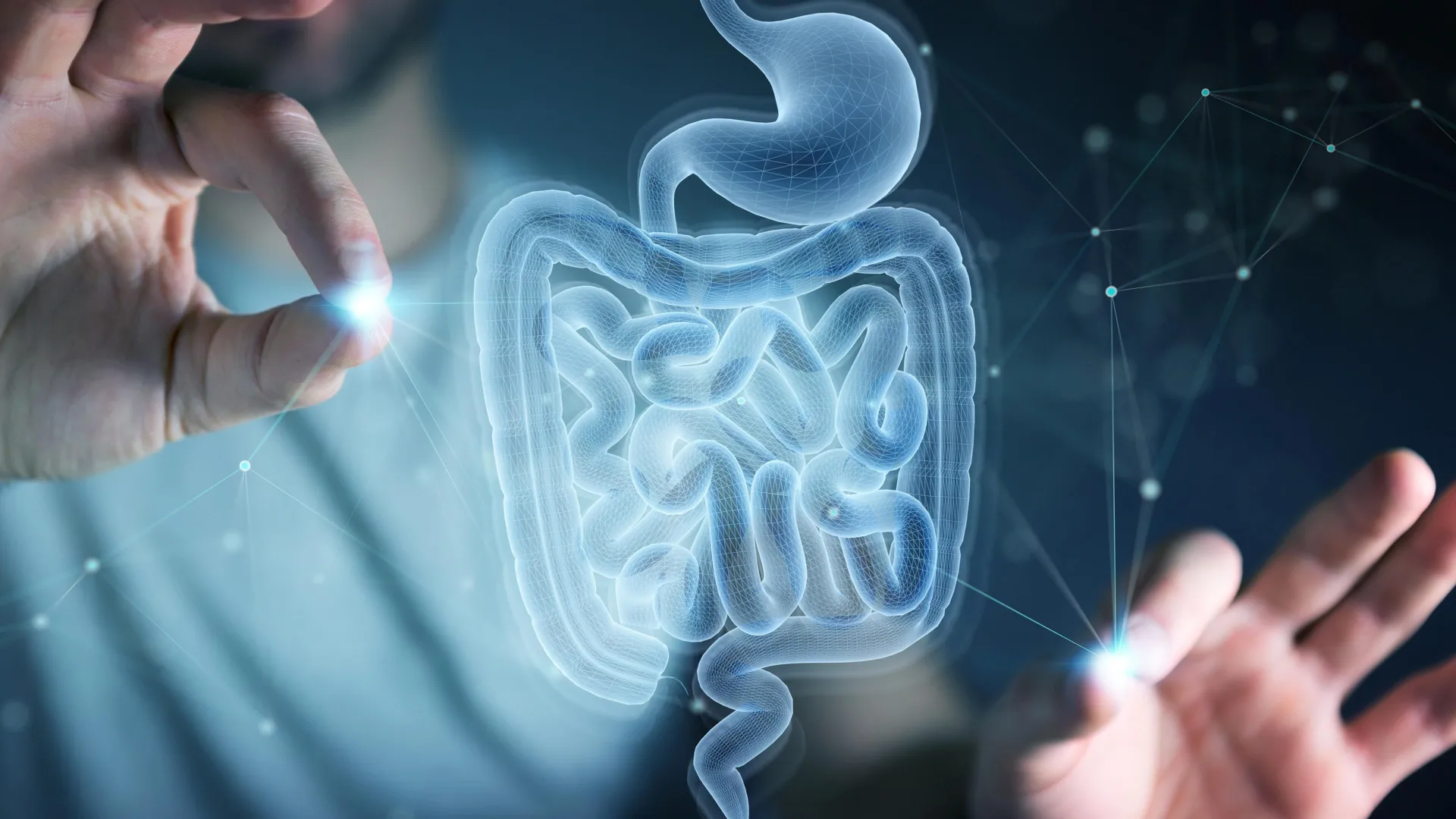
The Gut’s Repair Crew: How Cysteine Fuels Intestinal Stem Cell Regeneration & Offers Hope for Cancer Treatment Recovery
For decades, nutritional science has focused on broad dietary patterns – low-fat, low-calorie, high-protein – and their impact on overall health. We understand that what we eat profoundly influences our risk of obesity, diabetes, and chronic disease. Emerging research, however, is shifting the focus to a more granular level: the individual nutrients that dictate cellular function, particularly the remarkable ability of our bodies to regenerate tissues. A groundbreaking study from MIT’s Yilmaz Lab is illuminating a surprising key player in this process – the amino acid cysteine – and its potential to revolutionize gut health and recovery from aggressive treatments like radiation and chemotherapy.
Beyond Macros: The Power of Amino Acid Specificity
The Yilmaz Lab’s work builds on a foundation of understanding how dietary changes impact stem cell activity. Previous research demonstrated that both high-fat diets and short-term fasting could stimulate stem cells, albeit through different mechanisms. But the question remained: how do individual nutrients influence stem cell “fate decisions” – the choices cells make about whether to remain quiescent, proliferate, or differentiate?
To answer this, the team embarked on a meticulous inquiry, feeding mice diets enriched with one of 20 different amino acids, the building blocks of proteins. The results were striking. While several amino acids showed some effect, cysteine consistently emerged as the most potent stimulator of both intestinal stem cells and their precursor cells (progenitor cells) – the immature cells destined to become fully functional intestinal cells.
Unlocking the Immune Connection: CD8 T Cells and IL-22
The discovery of cysteine’s impact wasn’t just about increased cell numbers. The researchers delved deeper to understand how cysteine was driving this regeneration.Their investigation revealed a fascinating interplay between nutrient intake, immune function, and tissue repair.
Here’s the process:
- Cysteine Absorption & Conversion: When intestinal cells absorb cysteine from food, they convert it into coenzyme A (CoA).
- Immune Cell Activation: CoA migrates to the mucosal lining of the intestine, where it’s taken up by a specific type of immune cell: CD8 T cells.
- IL-22 Release: CoA triggers CD8 T cells to multiply and release interleukin-22 (IL-22), a signaling molecule crucial for intestinal stem cell regeneration.
This is a pivotal finding. While IL-22’s role in intestinal repair was known, the fact that CD8 T cells could be activated to produce it through dietary cysteine intake was entirely novel. Essentially, a cysteine-rich diet expands the population of immune cells primed to protect and repair the intestinal lining when damage occurs. The team observed this activation primarily in the small intestine, likely due to its role as the primary site of dietary protein absorption.
Hope for Cancer Patients: Repairing Radiation & Chemotherapy Damage
The implications of this research extend far beyond basic gut health.The study demonstrated that mice consuming a cysteine-rich diet exhibited improved recovery from radiation-induced intestinal damage. Furthermore, preliminary, unpublished data indicates a similar benefit following treatment with 5-fluorouracil, a common chemotherapy drug known to severely impact intestinal tissue.
This is particularly significant. Chemotherapy and radiation frequently enough cause debilitating side effects due to their damage to rapidly dividing cells, including those lining the gut. Boosting the gut’s natural regenerative capacity with targeted nutrition could dramatically improve the quality of life for cancer patients undergoing these treatments.
Cysteine: More Than Just an Antioxidant
Cysteine has long been recognized for its antioxidant properties, helping to neutralize harmful free radicals. Though, this study establishes a completely new mechanism of action: its ability to directly stimulate intestinal stem cell regeneration via immune modulation.
“What’s really exciting here is that feeding mice a cysteine-rich diet leads to the expansion of an immune cell population that we typically don’t associate with IL-22 production and the regulation of intestinal stemness,” explains Dr. Yilmaz.
Where to Find Cysteine & Future Research
Cysteine is naturally abundant in protein-rich foods like meat,dairy,legumes,and nuts. the body can also synthesize cysteine from methionine, another amino acid, in the liver. However, the MIT team emphasizes that dietary cysteine has a unique advantage: it concentrates directly in the gut, maximizing its impact on intestinal stem cells. Internally produced cysteine circulates throughout the body, diluting its effect in the digestive tract.
The researchers are now expanding their investigations in several key areas:
* Tissue-Specific Regeneration: Can cysteine stimulate regeneration in other tissues
Worth a look