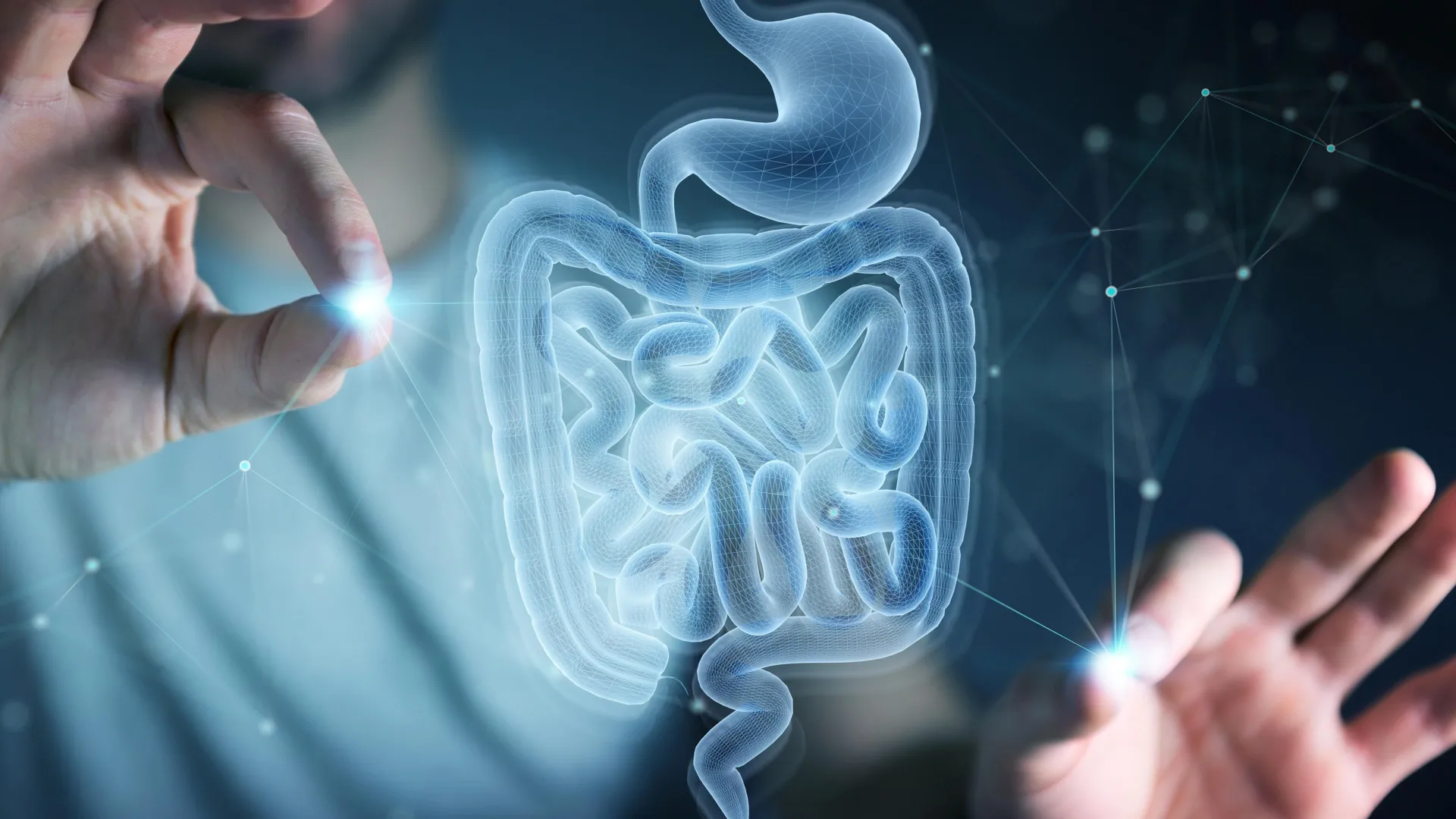
Beyond the Diet: How a Single Amino Acid Could Revolutionize Gut Recovery After Cancer Treatment
For many patients undergoing intensive cancer treatments, the battle is not only against the tumor but also against the devastating side effects that follow. Radiation therapy, while a cornerstone of modern oncology, often leaves a trail of collateral damage, particularly within the delicate lining of the gastrointestinal tract. This damage can lead to debilitating inflammation, malabsorption, and severe pain, often complicating the patient’s ability to complete their life-saving treatment.
However, a breakthrough from researchers at the Massachusetts Institute of Technology (MIT) has opened a promising new frontier in regenerative medicine. Scientists have identified that the amino acid cysteine may act as a potent metabolic trigger, capable of stimulating the body’s own mechanisms to repair and rebuild damaged intestinal tissue. This discovery suggests that what we eat might one day be as strategically important to recovery as the medical interventions themselves.
By bridging the gap between nutritional science and immunology, this research offers a glimpse into a future where dietary-based therapies could mitigate the toxicity of radiation, protecting the gut while the body fights cancer. While the findings are currently rooted in preclinical models, the implications for oncology and patient quality of life are profound.
The MIT Discovery: Cysteine as a Signaling Molecule
While cysteine is widely recognized as a fundamental building block for proteins, the MIT study reveals it possesses a much more sophisticated role within the biological landscape. In recent laboratory investigations, researchers found that cysteine does more than just provide structural support; it functions as a critical signaling molecule that communicates with the immune system to initiate tissue repair.
The study focused on the intestinal environment, specifically how cells respond to the trauma of radiation exposure. In preclinical mouse models, researchers observed that a diet enriched with cysteine significantly accelerated the healing of the intestinal lining. This was not merely a matter of providing more “bricks” to rebuild the wall; rather, the cysteine appeared to act as a “messenger” that alerted the body to the presence of damage and the need for urgent reconstruction.
This metabolic signaling is a key component of what scientists call the “gut-immune axis.” By modulating the availability of specific amino acids, it may be possible to fine-tune the immune response to favor regeneration over inflammation. This shift is essential for patients whose intestinal mucosa has been compromised by the high-energy particles used in radiation therapy.
The Biological Mechanism: From Immune Cells to Stem Cells
To understand why this discovery is so significant, one must look at the intricate dance occurring at the microscopic level within the gut. The intestinal lining is one of the most rapidly renewing tissues in the human body, a process driven by specialized intestinal stem cells located in the crypts of the gut.
According to the research, the mechanism of repair follows a specific, cascading pathway:
- Detection: The introduction of cysteine into the local environment is detected by specific immune cells residing in the intestinal tissue.
- Signal Release: Once activated by the presence of cysteine, these immune cells release a series of “healing signals”—often in the form of cytokines or other signaling proteins.
- Stem Cell Activation: These signals travel to the intestinal stem cells, instructing them to increase their rate of proliferation and differentiation.
- Tissue Rebuilding: The activated stem cells then migrate to the site of the radiation-induced damage, replacing lost or dying cells and restoring the integrity of the intestinal barrier.
This orchestrated response effectively turns the immune system into a specialized repair crew. Rather than merely reacting to the damage with inflammation—which can often hinder healing—the cysteine-driven response directs the body toward constructive, regenerative action.
Addressing the Crisis of Radiation-Induced Gut Damage
The clinical need for such a discovery cannot be overstated. Radiation enteritis, or radiation-induced damage to the little and large intestines, remains a significant hurdle in oncology. When radiation hits the gut, it causes oxidative stress and direct DNA damage to the epithelial cells that form the protective barrier of the digestive tract.
When this barrier fails, several dangerous complications can arise:
First, “leaky gut” or increased intestinal permeability allows bacteria and toxins from the gut to enter the bloodstream, potentially leading to systemic inflammation or sepsis. Second, the loss of the mucosal lining impairs the absorption of essential nutrients, leading to malnutrition and weight loss—factors that are already heavily contested in cancer patient outcomes. Finally, the physical pain and frequent gastrointestinal distress can severely diminish a patient’s ability to tolerate subsequent rounds of chemotherapy or radiation.
By targeting the metabolic triggers of repair, clinicians may eventually be able to offer a “protective” nutritional regimen that bolsters the gut’s resilience before and during treatment, potentially reducing the need for more invasive interventions to manage gastrointestinal side effects.
From Laboratory to Clinic: The Road Ahead
While the results in mice are a significant milestone, the transition from a controlled laboratory setting to human clinical application is a complex and rigorous process. The primary challenge lies in determining the precise “therapeutic window” for cysteine. In nutrition, more is not always better; excessive levels of certain amino acids can interfere with other metabolic pathways or even promote the growth of certain types of tumor cells.
Future research must address several critical questions:
- Dosage and Timing: What is the optimal concentration of cysteine required to trigger repair without inducing adverse effects? Should it be administered as a supplement before, during, or after radiation?
- Human Translation: Does the human immune-gut axis respond to cysteine in the exact same manner as the murine model?
- Safety in Oncology: How can we ensure that stimulating cellular proliferation for gut repair does not inadvertently stimulate the proliferation of residual cancer cells?
Despite these hurdles, the scientific community is optimistic. The move toward “precision nutrition”—where dietary interventions are tailored to the specific metabolic needs of a patient’s disease and treatment—is one of the most exciting shifts in modern medicine. This MIT research provides a foundational piece of the puzzle for that future.
Key Takeaways for Patients and Caregivers
While this research is still in the early stages, it highlights the vital connection between nutrition and medical recovery. Here is what the current findings suggest for the broader understanding of gut health:

- Nutrition as Medicine: Dietary components like amino acids are increasingly being recognized as active participants in the body’s healing processes, not just sources of energy.
- The Role of Cysteine: This amino acid, found in various protein sources, has shown a unique ability to signal immune cells to assist in intestinal stem cell regeneration.
- Targeting Side Effects: The ultimate goal of this research is to provide new, non-invasive ways to manage the gut-related side effects of cancer therapies.
- Consultation is Vital: Patients undergoing cancer treatment should never make significant dietary changes or begin new amino acid supplementation without direct medical supervision, as nutritional needs in oncology are highly individualized.
Frequently Asked Questions
Is a cysteine-rich diet a cure for radiation damage?
No. Currently, this research is in the preclinical stage (conducted on mice). While it shows great promise for developing future therapies, a change in diet is not a substitute for medical cancer treatment or established protocols for managing radiation side effects.

Where is cysteine naturally found?
Cysteine is an amino acid found in many protein-rich foods, including meat, poultry, fish, eggs, dairy products, and certain plant sources like beans, lentils, and nuts. However, the specific concentrations required for “signaling” in a therapeutic context are still being studied.
Will this change how cancer patients are treated?
In the long term, yes. If clinical trials prove successful, we may see “nutritional pharmacology” become a standard part of oncology, where specific metabolic supplements are prescribed alongside radiation to protect healthy tissues.
As we await further updates from the research community, the focus remains on the careful, systematic translation of these biological insights into safe, effective clinical tools. We will continue to monitor official updates from MIT news and major medical journals regarding the progress of these studies into human trials.
What are your thoughts on the role of nutrition in medical recovery? Do you believe dietary interventions should play a larger role in oncology? Share your comments below and share this article to spread the word about these emerging medical frontiers.
Worth a look