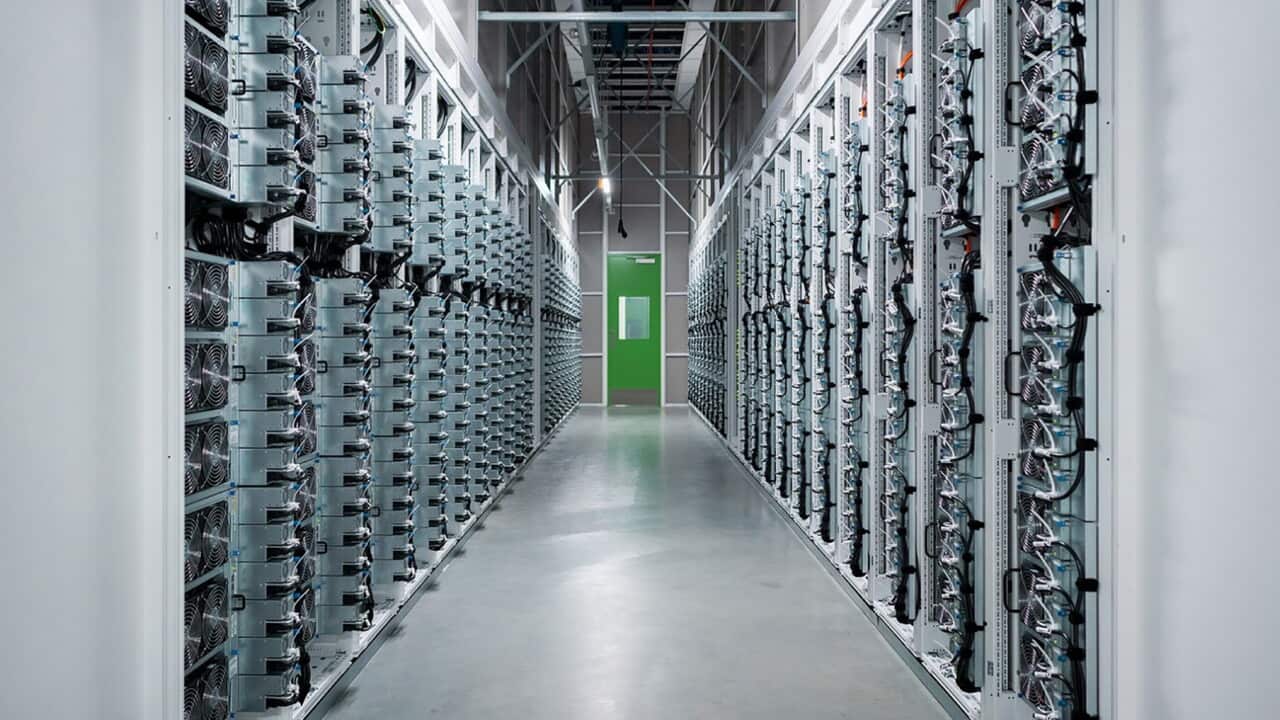
The global race to dominate the artificial intelligence (AI) landscape is no longer just a battle of algorithms and software code; it has become a high-stakes scramble for physical territory, massive electricity loads, and unprecedented amounts of cooling resources. In Australia, this transition is occurring with a suddenness that industry observers have likened to a “sneeze”—a rapid, almost uncontrollable burst of activity that is beginning to catch regulators and infrastructure planners off guard.
As tech giants and local providers rush to construct hyperscale data centres capable of housing the specialized hardware required for generative AI, a fundamental question is emerging: Can Australia’s existing infrastructure survive the surge? The tension between the economic necessity of AI sovereignty and the physical realities of energy and water scarcity is creating a new frontier of political and environmental debate.
While the promise of AI-driven productivity and economic growth is immense, the sheer scale of the “AI gold rush” is testing the limits of the National Electricity Market (NEM) and the nation’s water security. What began as a steady expansion of cloud computing has transformed into an explosive demand for high-density power, forcing a reckoning between the digital future and the physical environment.
The Shift from Cloud to AI: A New Breed of Infrastructure
For the past decade, the growth of data centres in Australia was characterized by the steady expansion of “cloud” services—storing data, hosting websites, and running standard enterprise applications. These facilities required significant power, but their energy profiles were relatively predictable and manageable within the existing grid frameworks.
The advent of Large Language Models (LLMs) and generative AI has fundamentally changed the technical requirements of these facilities. Unlike traditional servers, AI workloads rely on high-density clusters of Graphics Processing Units (GPUs), such as those produced by NVIDIA. These chips consume significantly more power per rack than standard CPUs and generate intense heat, necessitating much more sophisticated and energy-intensive cooling solutions.
This shift is driving a move toward “hyperscale” data centres—massive facilities designed to support the enormous computational loads of a single large tenant or a group of interconnected AI services. As companies race to secure “AI-ready” capacity, the demand for specialized real estate and high-voltage connections is skyrocketing, particularly in established tech hubs like Sydney and Melbourne.
The Energy Equation: Can the Grid Keep Up?
The most immediate concern for Australian authorities is the impact of these facilities on the national power grid. Data centres are “always-on” loads, meaning they require a constant, unwavering supply of electricity 24 hours a day, 7 days a week. When these loads are scaled up to the level required by AI, they become significant players in the energy market.
The Australian Energy Market Operator (AEMO) has been vocal about the growing pressure on the grid. As Australia undergoes a massive transition from coal-fired power to renewable energy sources, the grid is becoming more complex to manage. The introduction of massive, concentrated, and inflexible loads like AI data centres complicates this transition.
Industry analysts point to several critical challenges regarding energy:
- Grid Stability: The sudden addition of large-scale loads can create volatility in the National Electricity Market (NEM), especially during periods of low renewable generation.
- Decarbonization Goals: While many tech companies have committed to “net-zero” targets, the immediate reality is that the massive power requirements of AI may force a continued reliance on fossil fuels if renewable capacity and storage do not grow at a matching pace.
- Connection Delays: The queue for high-voltage connections to the grid is growing. Developers are finding that even with the capital to build, the time required to secure a stable, high-capacity connection can span several years.
For the Australian government, the challenge is to facilitate the digital economy without compromising the stability of the energy transition. This involves balancing the interests of major energy retailers, renewable energy developers, and the tech companies that are essential to the nation’s future competitiveness.
The Thirst of Artificial Intelligence: Water and Cooling
Beyond electricity, a second, more localized concern is mounting: water consumption. To prevent the intense heat generated by AI chips from damaging hardware, data centres utilize sophisticated cooling systems. Historically, many of these systems have relied on “evaporative cooling,” a process that uses vast amounts of water to absorb heat from the air.
In a continent as prone to drought and water scarcity as Australia, the prospect of massive new industrial users competing for water resources is a sensitive political issue. The “water-energy nexus”—the idea that energy production requires water and water management requires energy—is becoming a central theme in the debate over data centre placement.
Environmental advocates have raised concerns that placing large-scale data centres in water-stressed regions could exacerbate local shortages. The environmental impact of the “thermal pollution” caused by discharging heated water back into local ecosystems is a growing area of regulatory scrutiny. There is increasing pressure on developers to adopt “closed-loop” cooling systems or liquid immersion cooling, which are more water-efficient but significantly more expensive and complex to implement.
Navigating the Regulatory and Planning Landscape
The rapid pace of development has left many local and state governments struggling to update planning frameworks. Traditional zoning laws were not designed for the specific needs—and the specific impacts—of hyperscale AI data centres. This has led to a patchwork of regulatory responses across the country.
Key areas of regulatory focus include:
- Land Use and Zoning: Determining which regions have the necessary proximity to high-voltage transmission lines and water infrastructure to support such facilities.
- Environmental Impact Assessments (EIA): Strengthening the requirements for developers to prove that their energy and water usage will not undermine local ecological or community needs.
- Sovereign AI Policy: The federal government is weighing how to incentivize local data centre construction to ensure “data sovereignty”—the ability for a nation to process and store its own critical data within its own borders—while managing the infrastructure costs.
This regulatory tension is creating a “wait and see” environment for some investors, who are wary of sudden changes in planning laws or the imposition of new “resource levies” designed to offset the strain on public infrastructure.
The Global Context: Australia’s Strategic Position
Australia does not exist in a vacuum. The race for AI infrastructure is a global phenomenon, with significant competition coming from the United States, Europe, and parts of Asia. Countries like Ireland and Singapore have already experienced the “data centre boom,” and both have had to implement strict limits on new connections due to energy and land constraints.
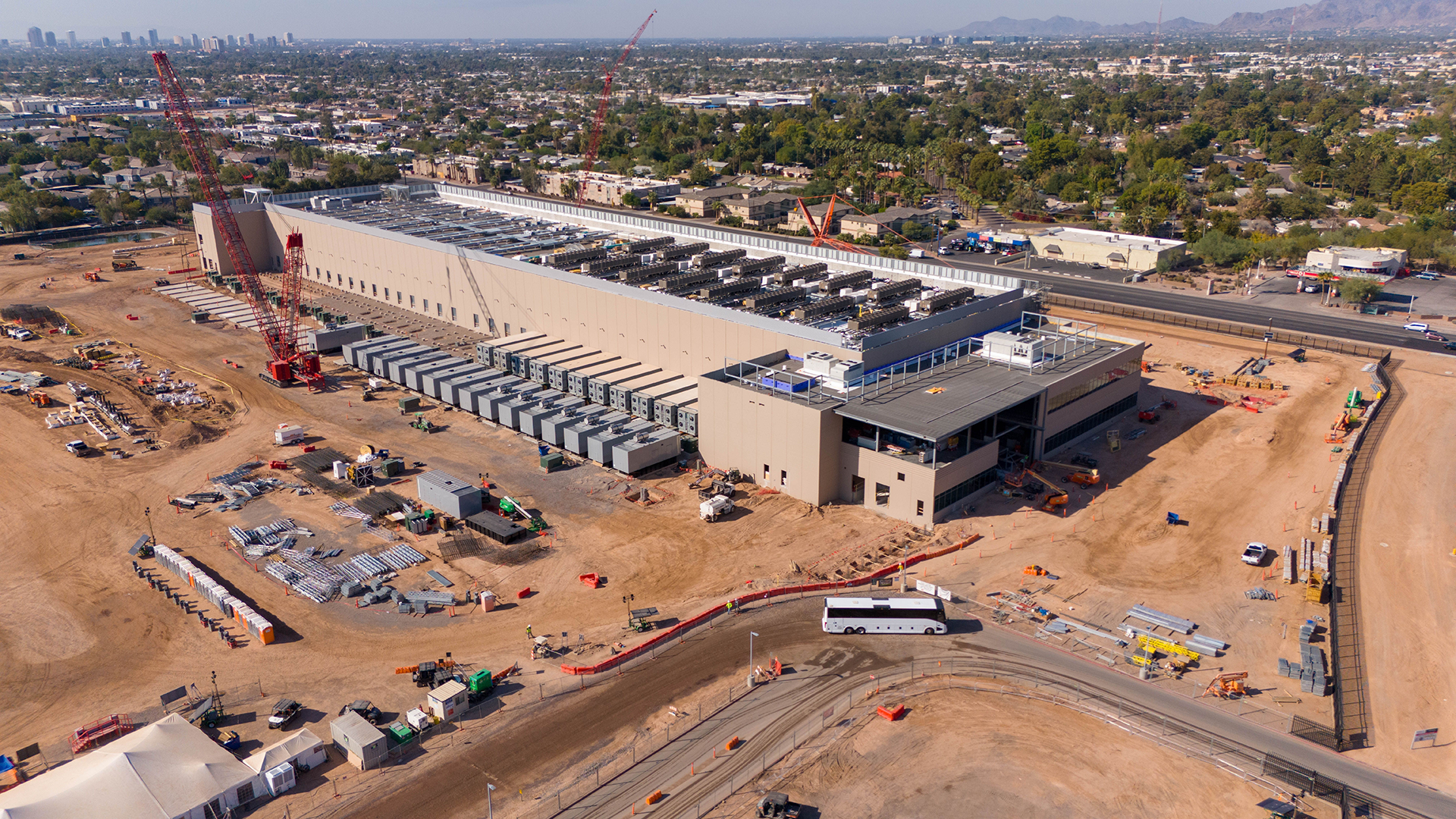
For Australia, the goal is to become a regional hub for AI in the Asia-Pacific, leveraging its vast renewable energy potential to offer “green AI” services. If Australia can successfully integrate data centres into a decarbonized grid and manage its water resources effectively, it could gain a significant competitive advantage. However, if the infrastructure strain leads to higher energy costs or environmental degradation, the “sneeze” of AI growth could become a significant political liability.
Key Takeaways: The AI Infrastructure Challenge
- Energy Demand: AI requires high-density, constant power that challenges the stability of the evolving National Electricity Market.
- Water Security: The cooling requirements for AI hardware pose a direct challenge to water management in drought-prone Australian regions.
- Infrastructure Lag: The speed of AI development is currently outstripping the speed of grid upgrades and planning reform.
- Strategic Opportunity: Successful integration could position Australia as a leader in sustainable, “green” AI computing.
As the debate intensifies, the focus will shift toward how the Australian government and energy regulators will coordinate to manage this influx. The next critical period will involve the release of updated long-term energy adequacy statements and new state-level planning guidelines for high-intensity industrial users.
What do you think? Should Australia prioritize the rapid expansion of AI infrastructure, or should more stringent limits be placed on energy and water usage? Share your thoughts in the comments below and share this article to join the conversation.