Reversing Immune Decline: MIT Researchers Engineer a Temporary ’Factory’ too Boost T Cell production in aging
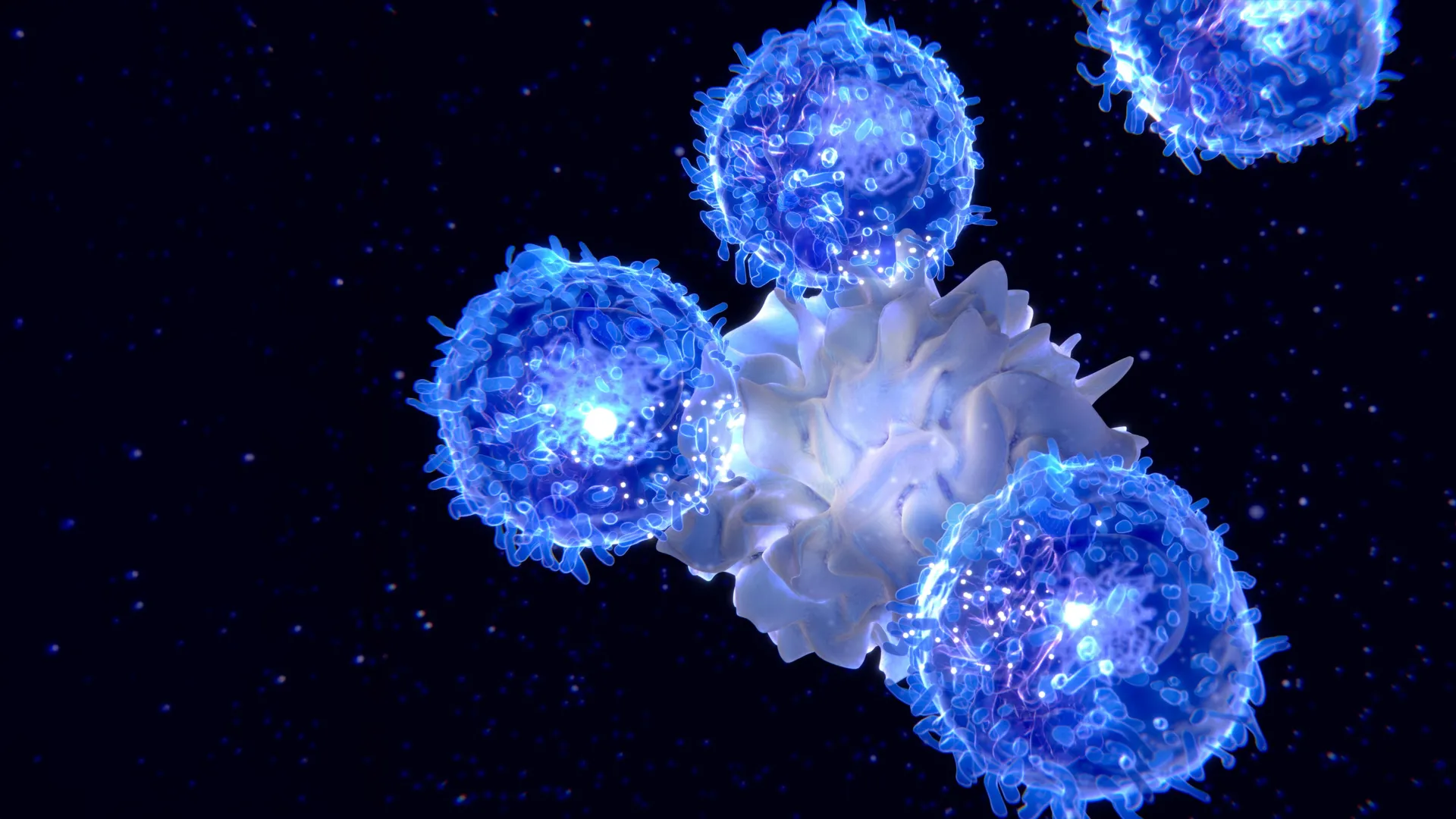
As we age, our immune systems naturally weaken, leaving us more vulnerable to infections, autoimmune diseases, and even cancer.This decline is largely attributed to the involution of the thymus – the organ responsible for maturing T cells, critical soldiers in our immune defense. Now, a groundbreaking study from MIT offers a promising new strategy to combat this age-related immune decline, not by replacing the thymus, but by temporarily repurposing the liver to recreate key immune-boosting signals. This innovative approach, detailed in a recent publication, demonstrates notable potential for enhancing vaccine responses and improving the efficacy of cancer immunotherapy in older individuals.
The Challenge of Aging Immunity
The thymus, at its peak during childhood, diligently trains and releases T cells equipped to recognize and fight off threats. These T cells are essential for adaptive immunity – the ability to learn and remember specific pathogens. however, beginning in early adulthood, the thymus begins a gradual process of shrinking, known as thymic involution. This reduction in thymic function directly translates to a diminished capacity to produce new T cells, leading to a less diverse and responsive immune system. By age 75, the thymus is largely nonfunctional, leaving older adults particularly susceptible to immune-related health challenges.
“As we age, the immune system begins to decline. We wanted to think about how can we maintain this kind of immune protection for a longer period of time,” explains Dr. Friedrich, a lead researcher on the project. Previous attempts to rejuvenate immunity have ofen involved systemic management of T cell growth factors, but these approaches carry the risk of undesirable side effects. Other research explores stem cell transplantation to rebuild thymic tissue, a complex and challenging undertaking.
A Novel Approach: harnessing the Liver’s Potential
The MIT team, led by researchers Zhang and Pham, took a different tack. Rather of attempting to rebuild the thymus, they focused on recreating the signals the thymus produces to stimulate T cell development. Their strategy centers around transforming the liver into a temporary “factory” for these crucial immune cues.
“Our approach is more of a synthetic approach,” explains Zhang. “we’re engineering the body to mimic thymic factor secretion.”
The liver was chosen for several key reasons. It maintains a robust protein production capacity even in older individuals. Furthermore, the liver is readily accessible for mRNA delivery, and crucially, all circulating blood - including T cells – flows through it, making it an ideal location to distribute immune-supporting signals throughout the body.
The Three Key Signals: DLL1, FLT-3, and IL-7
The researchers identified three critical factors involved in T cell maturation: DLL1, FLT-3, and IL-7. These proteins play distinct but complementary roles in guiding immature T cell progenitors through the developmental process, ultimately resulting in fully functional, differentiated T cells.
To deliver these signals, the team encoded the instructions for producing these proteins into messenger RNA (mRNA) and encapsulated them within lipid nanoparticles. These nanoparticles act as delivery vehicles, efficiently transporting the mRNA into liver cells (hepatocytes). Once inside, the hepatocytes utilize the mRNA instructions to synthesize and release DLL1, FLT-3, and IL-7 into the bloodstream.
Remarkable Results in Preclinical Studies
The efficacy of this approach was rigorously tested in aged mice (approximately equivalent to humans in their 50s). Repeated doses of the mRNA nanoparticles were administered over four weeks to maintain consistent production of the immune-boosting factors. the results were compelling.
* Increased T Cell Populations: The treatment led to a ample increase in both the number and functionality of T cells.
* Enhanced Vaccine Response: when vaccinated with ovalbumin (a common antigen used in immunological studies), mice treated with the mRNA therapy exhibited a doubling in the number of cytotoxic T cells targeting the antigen compared to untreated controls. This suggests a significantly improved ability to mount an immune response to vaccination.
* Improved cancer Immunotherapy Efficacy: Perhaps most promisingly, the mRNA treatment dramatically enhanced the effectiveness of checkpoint inhibitor therapy – a common cancer treatment that releases the brakes on the immune system, allowing T cells to attack tumor cells. mice receiving both the checkpoint inhibitor and the mRNA therapy demonstrated significantly higher survival rates and prolonged lifespan compared to those receiving the checkpoint inhibitor alone.
Importantly, the researchers found that all three factors – DLL1, FLT-3, and IL-7 – were essential for achieving the full immune benefit. No single factor could replicate the thorough effect.
Looking Ahead: Expanding the Scope and Clinical Translation
This research represents a significant step forward in our understanding of age-related immune decline and offers a perhaps transformative therapeutic strategy. The team is now focused on
Keep reading