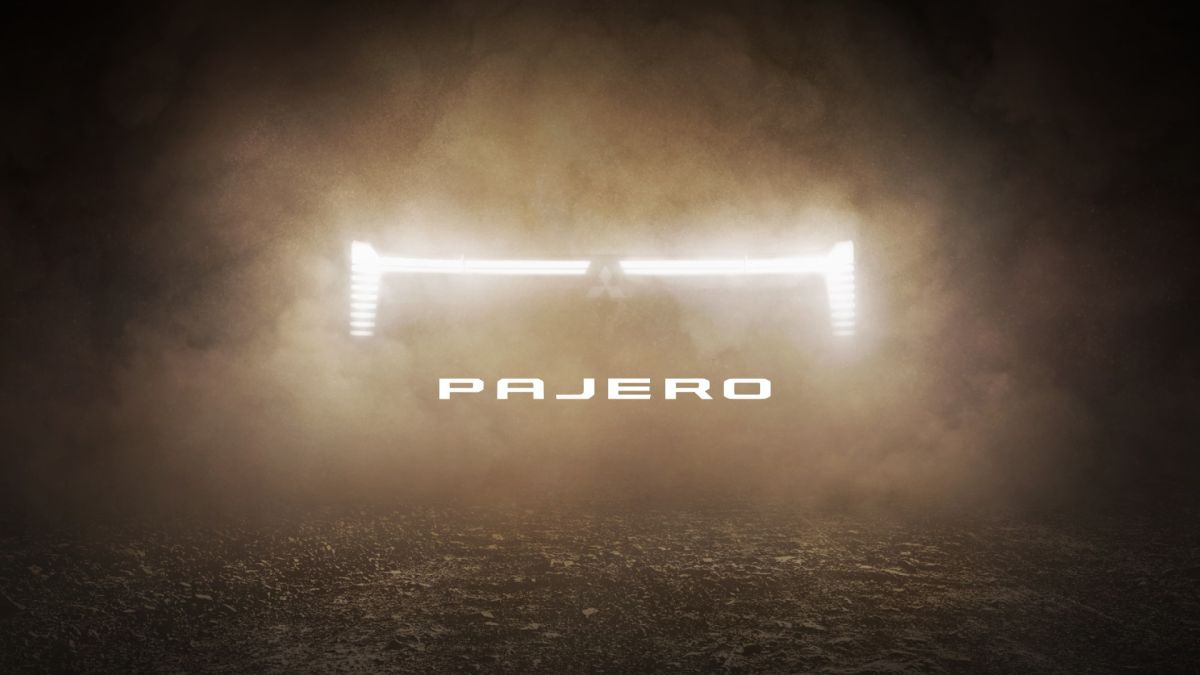
Mitsubishi Motors has officially confirmed that the iconic Pajero nameplate is set for a global return. After years of speculation and a significant hiatus for the model, the company announced that a new “cross-country SUV” bearing the historic moniker will be revealed this fall. This development marks a pivotal moment for the Japanese automaker, as it looks to leverage its heritage in the competitive, high-demand off-road vehicle segment.
The Pajero, which first debuted in 1982, was a staple of the Mitsubishi lineup for nearly four decades. Following its discontinuation in 2021, the vehicle left a void for enthusiasts of the brand’s traditional, rugged all-terrain vehicles. By reviving this name, Mitsubishi is tapping into significant brand equity, aiming to bridge its storied history with modern engineering advancements. The announcement, confirmed via official company communications, highlights the vehicle’s “cross-country” capabilities, signaling a return to the off-road focus that originally defined the nameplate.
Engineering the Next Generation
A core element of the new Pajero’s identity is its structural foundation. Mitsubishi has confirmed that the upcoming SUV will utilize a ladder-frame chassis, a design choice that underscores its commitment to genuine off-road performance. This architecture is currently employed in the company’s Triton pickup truck, providing a proven, durable base for the new model. While the platform is shared with the Triton, the manufacturer has emphasized that both the cabin and suspension systems have been developed as unique designs specifically for the Pajero.
This strategic move suggests that while the SUV benefits from the cost-efficiency of platform sharing, Mitsubishi is investing in distinct features to ensure the Pajero retains a premium feel and specialized ride quality compared to its utility-focused sibling. The styling is also expected to depart from the Triton’s aesthetic, with teasers revealing a unique front-end design, including distinct T-shaped headlight configurations that aim to modernize the brand’s visual identity.
Global Market Strategy and the “Montero” Question
While the announcement of the Pajero’s return is global in scope, questions remain regarding its availability in specific markets, particularly the United States. The Pajero was historically sold as the “Montero” in the U.S. Market, where it last appeared in 2006. As reported by industry analysts, the reliance on a ladder-frame platform—which is not currently homologated for the U.S. Market due to the absence of the Triton—presents a potential regulatory hurdle for a North American launch.
However, optimism persists among industry observers. Mitsubishi trademarked the “Montero” name in 2024, a move that suggests the company is at least exploring the possibility of a U.S. Reintroduction. Given the strong consumer appetite for rugged, full-size SUVs in the American market, the potential for a return of the Montero remains a subject of intense interest. For now, the company describes the vehicle as a global offering, though official distribution plans for individual countries have yet to be finalized.
A Legacy of Performance
The Pajero’s history is inextricably linked to Mitsubishi’s reputation for mechanical reliability in demanding environments. Across four generations of production, the vehicle established a strong presence in international rally circuits and among off-road enthusiasts. The decision to bring the name back acknowledges the enduring legacy of these earlier models. As the automotive industry shifts toward electrification and urban-focused crossovers, this move represents a clear effort by Mitsubishi to maintain a foothold in the traditional, high-performance segment.
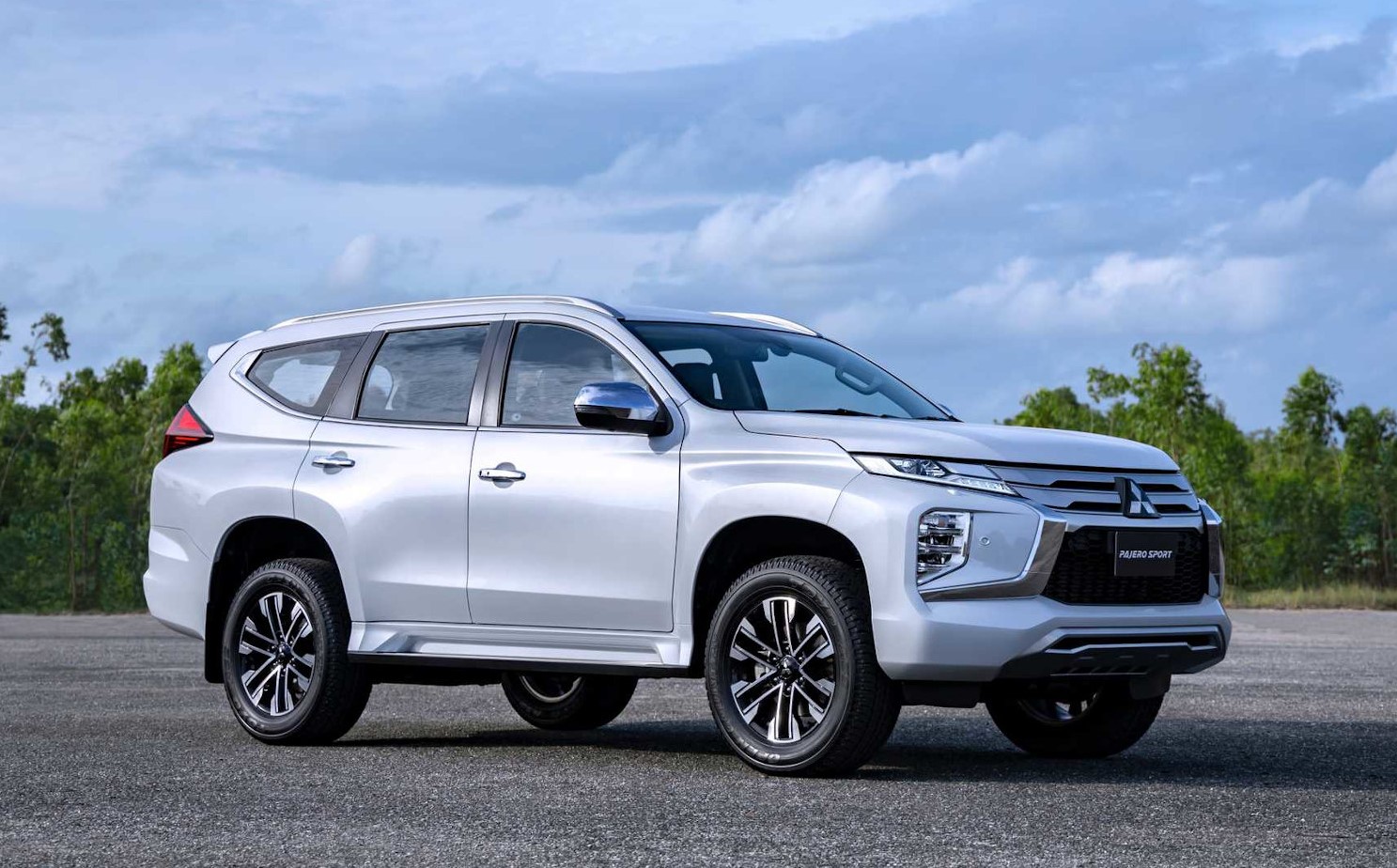
For current owners and those interested in the brand’s broader portfolio, Mitsubishi continues to manage its existing lineup, which includes a range of SUVs and crossovers tailored to diverse driving conditions. Information regarding current vehicle specifications, such as the 2026 Outlander Sport, remains available through official retailer channels, providing insight into the company’s current approach to vehicle dynamics and fuel economy standards.
What Comes Next
As we approach the fall reveal, attention will shift toward the specific technical specifications and regional availability of the new Pajero. With the company having already released teaser footage and confirmed the platform’s origin, the next major milestone will be the official unveiling event. This will provide the first comprehensive look at the production-ready design and the specific markets where the vehicle will be offered for sale.
For those following the development of this iconic nameplate, official updates will be disseminated through Mitsubishi’s corporate channels. We will continue to monitor developments as they are released. We invite our readers to share their thoughts on the return of the Pajero—does this revival signal a new chapter for Mitsubishi’s off-road heritage? Join the conversation in the comments section below.