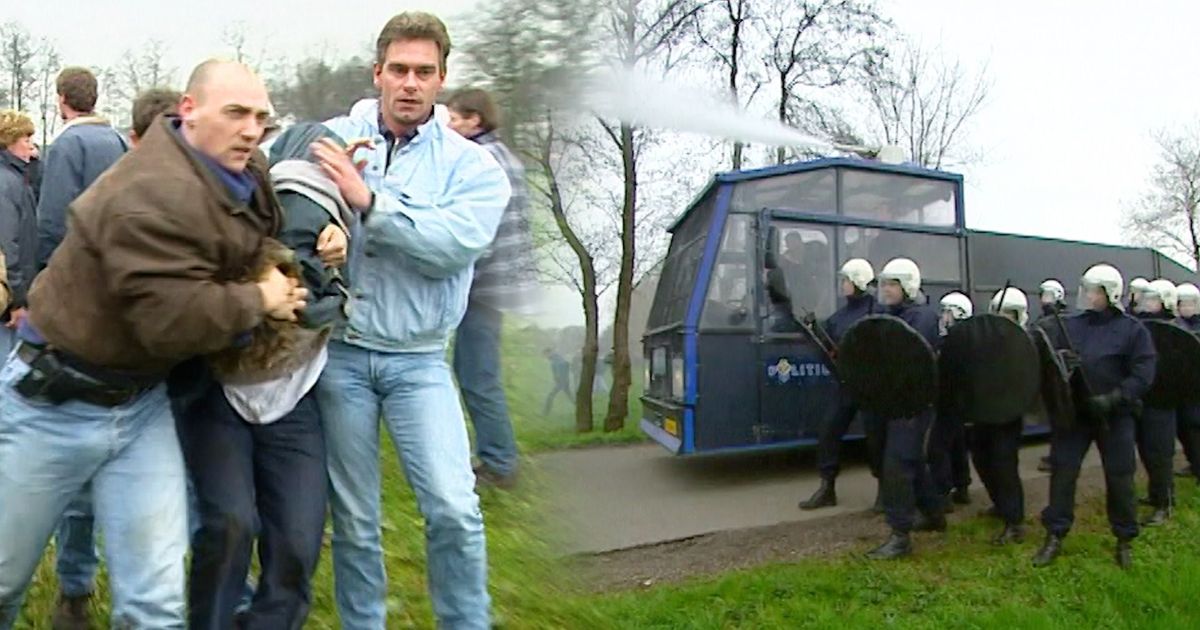
Twenty-five years after the devastating foot-and-mouth disease (FMD) crisis gripped the Netherlands, the emotional and economic scars remain palpable, particularly for farmers in regions like Gelderland. The outbreak in 2001 led to the culling of millions of livestock, widespread disruption, and a deep sense of betrayal among agricultural communities. While the Netherlands has largely moved on, the recent detection of FMD in Germany has reignited anxieties and prompted renewed vigilance, leading to the cancellation of events like the Jonge Boerendag (Young Farmers’ Day) as a precautionary measure.
The 2001 outbreak, which originated from infected animals imported from abroad, triggered a swift and controversial response from the Dutch government. To prevent further spread, a policy of widespread culling was implemented, extending not only to infected animals but also to healthy livestock within a defined radius of affected farms. This drastic measure, while intended to contain the disease, caused immense hardship and fueled resentment among farmers who felt their livelihoods were unjustly destroyed. The economic impact was substantial, with the agricultural sector facing billions of euros in losses. The crisis also exposed vulnerabilities in biosecurity measures and animal disease control systems.
A Crisis Revisited: Recent Concerns and Preventative Measures
The current heightened alert stems from an outbreak of FMD in the German state of Brandenburg. Approximately 3,600 calves from the affected region were transported to the Netherlands, prompting the Dutch Food and Consumer Product Safety Authority (NVWA) to launch a comprehensive investigation. As of January 16, 2025, initial test results on these animals were negative, but further analysis was pending later that week, according to Omroep Gelderland. The NVWA is meticulously tracing the animals and conducting thorough testing to ensure the disease has not entered the Dutch livestock population.
In a proactive move, Dutch Minister Wiersma ordered 100,000 FMD vaccines as a preventative measure. This decision reflects a commitment to preparedness and a desire to avoid a repeat of the 2001 crisis. The cancellation of the Jonge Boerendag, scheduled for February 6th, underscores the seriousness with which the threat is being taken. Mart Wagenvoort, chairman of Gelders Agrarisch Jongeren Kontakt (GAJK), explained the decision, stating, “It doesn’t feel right,” and acknowledging the lingering fear among younger farmers who did not directly experience the 2001 outbreak but have heard the harrowing stories. Wagenvoort expressed hope that the current situation would prove to be “a storm in a glass of water,” but recognized the potential for anxiety given the devastating consequences of the previous outbreak.
The Lingering Pain of 2001: A Farmer’s Perspective
The emotional toll of the 2001 FMD crisis continues to resonate with Dutch farmers. Wim van den Berg, a cattle farmer from Kootwijkerbroek, vividly recalls the experience as one of “boosheid, verdriet en frustratie” – anger, sadness, and frustration. Omroep Gelderland reported that Van den Berg lost a carefully cultivated line of specialized cattle during the culling process, animals he had spent years breeding, and perfecting. He felt powerless as healthy animals were slaughtered as part of the preventative measures.
Van den Berg’s experience highlights a key point of contention during the crisis: the perceived lack of consultation with farmers and the speed with which decisions were made. He believes the government acted too hastily and failed to adequately listen to the concerns of those directly affected. This lack of trust contributed to the widespread sense of anger and resentment. Henk van den Brink, who acted as a liaison between farmers and the government during the crisis, echoed this sentiment, noting the intense pressure and the potential for escalating tensions. He described a climate of fear and uncertainty, where farmers felt increasingly cornered.
Understanding Foot-and-Mouth Disease
Foot-and-mouth disease (FMD) is a highly contagious viral disease that affects cloven-hoofed animals, including cattle, sheep, goats, and pigs. The virus causes fever, followed by the development of blisters on the tongue, mouth, and feet. While rarely fatal in adult animals, FMD can cause significant economic losses due to reduced milk production, weight loss, and trade restrictions. The disease is highly transmissible through direct contact with infected animals, contaminated feed, water, and equipment, and even through the air.
The 2001 outbreak in the Netherlands was traced back to imported animals, highlighting the importance of strict biosecurity measures and effective border controls. The rapid spread of the disease underscored its potential to devastate livestock industries and disrupt agricultural economies. The Dutch government’s response, while controversial, was aimed at eradicating the virus and preventing a prolonged epidemic. The policy of widespread culling, though painful, was based on the understanding that FMD is extremely difficult to control once it becomes established in a population.
Lessons Learned and Ongoing Vigilance
The 2001 FMD crisis served as a stark reminder of the vulnerability of modern agricultural systems to infectious diseases. It prompted a re-evaluation of biosecurity protocols, disease surveillance systems, and emergency response plans. The Netherlands invested heavily in improving its animal disease control infrastructure and strengthening its ability to detect and respond to outbreaks.
The recent outbreak in Germany and the subsequent heightened alert in the Netherlands demonstrate that vigilance remains crucial. The cancellation of events like the Jonge Boerendag, while disappointing, reflects a responsible approach to risk management. The proactive ordering of vaccines underscores the government’s commitment to preparedness. The experiences of farmers like Wim van den Berg serve as a powerful reminder of the devastating consequences of FMD and the importance of preventing its re-emergence. The Dutch government continues to monitor the situation closely, working with the NVWA and agricultural organizations to protect the country’s livestock industry and ensure food security.
The NVWA provides regular updates on the FMD situation on its website, offering guidance to farmers and the public. Further information on FMD, including symptoms, prevention, and control measures, can be found on the websites of the World Organisation for Animal Health (WOAH) and the European Food Safety Authority (EFSA).
Key Takeaways
- The recent FMD outbreak in Germany has triggered heightened alert in the Netherlands, prompting preventative measures like the cancellation of agricultural events.
- The 2001 FMD crisis in the Netherlands remains a painful memory for farmers, who experienced significant economic losses and emotional distress.
- Strict biosecurity measures, effective disease surveillance, and rapid response plans are essential for preventing and controlling FMD outbreaks.
- The Dutch government has ordered 100,000 FMD vaccines as a precautionary measure and is closely monitoring the situation.
The situation remains fluid, and the NVWA will continue to provide updates as novel information becomes available. Farmers are encouraged to remain vigilant and report any suspected cases of FMD immediately. The lessons learned from the 2001 crisis continue to shape the Netherlands’ approach to animal disease control, ensuring a more resilient and prepared agricultural sector. We encourage readers to share their thoughts and experiences in the comments below.
Worth a look