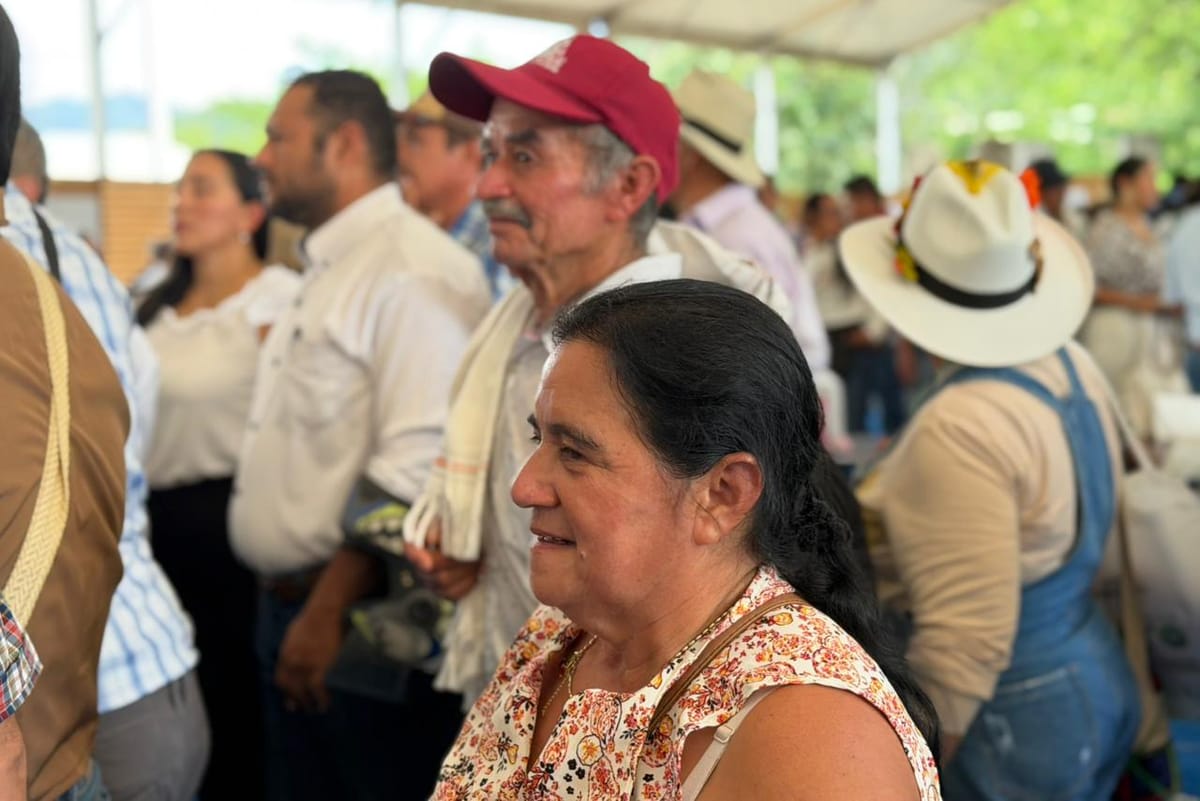
The fundamental interdependence between the rural landscape and the urban center is often overlooked until the supply chain falters. In the department of Santander, Colombia, this relationship is being codified into a strategic mandate: “Sin campo no hay ciudad”—without the countryside, there is no city. This philosophy serves as the cornerstone for AgroSantander 360, an ambitious modernization initiative designed to bridge the gap between traditional farming and the demands of a growing urban population.
As a physician and health journalist, I view agricultural modernization not merely as an economic upgrade, but as a critical public health intervention. Food security is the bedrock of community health; when the rural sector fails or stagnates, the urban center faces nutritional instability and price volatility. By integrating precision technology into the heart of the Colombian countryside, the regional government is attempting to secure the nutritional pipeline that sustains millions of city dwellers.
AgroSantander 360 represents a systemic shift toward “smart farming.” The program moves beyond simple subsidies, focusing instead on technical capacity and the adoption of AgTech (Agricultural Technology) to optimize yields while reducing the environmental footprint of farming. This transition is essential for a region where geography and climate variability often pose significant risks to crop stability.
Precision Agriculture: The Role of Drones and Soil Science
At the center of this modernization effort is the deployment of unmanned aerial vehicles (UAVs), commonly known as drones. While drones are often viewed as tools for surveillance or photography, their application in the Santander countryside is focused on two critical functions: precision fertilization and technical soil analysis.

Precision fertilization allows farmers to move away from the “blanket application” method, where fertilizers are spread uniformly across a field regardless of the specific needs of different zones. Instead, drones equipped with multispectral sensors can identify areas of nutrient deficiency in real-time. This allows for the targeted application of inputs, which not only reduces costs for the farmer but also minimizes the chemical runoff that can contaminate local water sources—a vital consideration for regional public health.
Complementing the aerial data are comprehensive technical soil studies. Understanding the chemical and biological composition of the earth is the first step in sustainable intensification. By mapping soil health, the AgroSantander 360 initiative enables farmers to plant crops that are best suited for their specific land profile, thereby increasing resilience against pests and climate stress. These studies provide the empirical data necessary to transition from intuitive farming to evidence-based agriculture.
The Rural-Urban Nexus and Food Security
The mantra “Sin campo no hay ciudad” highlights a sociological and economic reality: the city is an extension of the field. When rural productivity declines, the impact is felt immediately in urban markets through “food inflation” and a decrease in the availability of fresh, nutrient-dense produce. This creates a ripple effect that disproportionately affects low-income urban populations, increasing the risk of malnutrition and diet-related chronic diseases.

By stabilizing the rural economy through AgroSantander 360, the regional government is effectively investing in urban health. A modernized countryside ensures a steady flow of diverse crops, reducing the reliance on expensive imports and creating a more resilient local food system. This localized approach to food security is a key strategy in mitigating the impact of global supply chain disruptions, which have become increasingly common in recent years.
the modernization of the countryside serves as a deterrent to unplanned urban migration. When farming becomes a viable, tech-driven profession rather than a struggle for survival, younger generations are more likely to remain in rural areas. This preserves the social fabric of the countryside and prevents the overstretching of urban infrastructure and public health services in city centers.
Stakeholders and the Path to Sustainability
The success of AgroSantander 360 depends on the collaboration between several key stakeholders. The Gobernación de Santander provides the institutional framework and funding, but the actual implementation rests with the small and medium-sized producers who must adapt to these new technologies. This requires a significant investment in “digital literacy” for farmers who may have spent decades using traditional methods.
The integration of these technologies also aligns with broader environmental goals. Sustainable farming practices, fostered by the precision of drones and soil analysis, help preserve the biodiversity of the region. Reducing the over-application of nitrogen-based fertilizers protects the soil microbiome and prevents the acidification of land, ensuring that the “campo” remains productive for future generations.
From a policy perspective, this shift toward AgTech is part of a larger national trend in Colombia to diversify its economy beyond extractive industries. By positioning Santander as a hub for agricultural innovation, the region can attract further investment in biotechnology and sustainable engineering, creating a virtuous cycle of economic growth and health improvement.
Key Takeaways for the Region
- Technological Leap: The use of drones for targeted fertilization reduces chemical waste and lowers production costs.
- Data-Driven Farming: Technical soil studies allow for precise crop selection and improved land management.
- Urban Stability: Strengthening rural productivity directly impacts food security and price stability in cities.
- Environmental Health: Precision agriculture minimizes runoff and protects regional water systems and soil health.
- Social Preservation: Modernizing agriculture makes rural life more attractive to youth, slowing unsustainable urban migration.
What Happens Next?
The rollout of AgroSantander 360 is an ongoing process of scaling and refinement. The next critical phase involves the expansion of these technical services to more remote municipalities within the department, ensuring that the benefits of precision agriculture are not limited to large-scale landowners but are accessible to smallholder farmers as well.
Observers and stakeholders are looking toward the upcoming regional agricultural reports and performance reviews from the Gobernación de Santander to determine the exact increase in crop yields and the reduction in input costs resulting from the drone programs. These metrics will be essential in determining if the model can be replicated in other departments across Colombia.
As we continue to monitor the intersection of technology, agriculture and public health, the lesson from Santander is clear: the health of the city is a mirror of the health of the field. Investing in the countryside is not an act of charity, but a strategic necessity for urban survival.
Do you believe precision technology can solve the rural-urban divide in your region? We invite you to share your thoughts and experiences in the comments below.