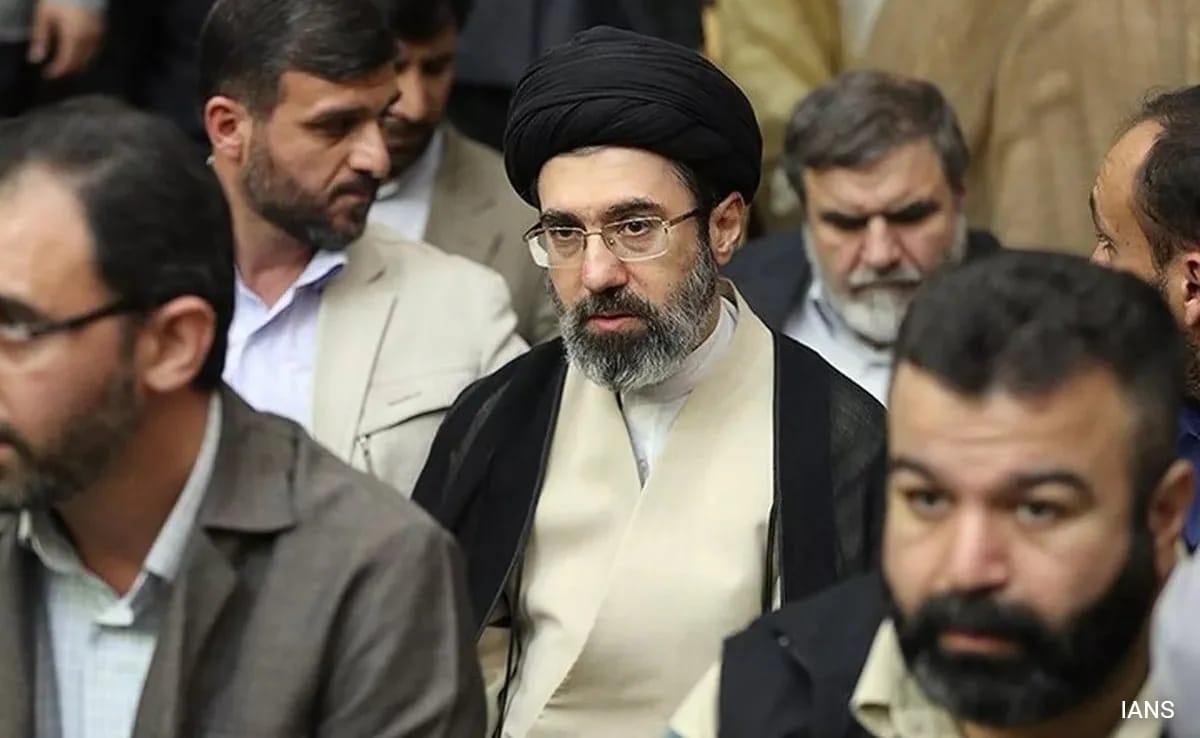
Succession Looms in Iran as Khamenei’s Son Emerges as Frontrunner
Tehran signaled Sunday its likely choice for the next Supreme Leader of Iran: Mojtaba Khamenei, son of the late Ayatollah Ali Khamenei. This indication comes amid escalating regional tensions following a series of strikes by Israel targeting Iranian infrastructure and retaliatory actions by Iran and its proxies across the Middle East. The announcement, delivered by a member of the clerical council responsible for selecting the new leader, suggests a continuation of hardline policies and a firm grip on power by the Khamenei family. The unfolding situation is further complicated by the involvement of the United States, with President Donald Trump asserting Washington’s expectation of influence over the selection process.
Ayatollah Hosseinali Eshkevari, a member of the Assembly of Experts, stated in a video released by Iranian media, “The name of Khamenei will continue,” adding that “The vote has been cast and will be announced soon.” Ahmad Alamolhoda, another cleric, confirmed that Hosseini Bushehri, the secretary of the council, would make the formal announcement. This swift move towards naming a successor follows the death of Ayatollah Ali Khamenei earlier in the ongoing conflict, a development that has thrown Iran into a period of uncertainty and heightened geopolitical risk. The selection process is occurring under wartime conditions, with the council opting against a public gathering for the vote, according to Hossein Redaei, a member of the body.
Escalating Conflict and International Reactions
The potential ascension of Mojtaba Khamenei, 56, is occurring against a backdrop of intensifying military clashes. Israel has continued to target Iranian figures, most recently Abolqasem Babaian, the recently appointed head of the military office of the supreme leader, who was killed in a strike on Saturday. These actions have prompted retaliatory attacks from Iran and its allies, extending the conflict beyond Iranian borders. The situation has raised concerns about a wider regional war, with attacks reported in several Gulf states, including Saudi Arabia, Kuwait, the United Arab Emirates, and Bahrain.
Bahrain reported that an Iranian drone attack caused “material damage” to a desalination plant on Sunday, marking the first instance of a desalination facility being directly targeted in the conflict. Iran, in turn, accused the United States of striking a desalination plant on Qeshm Island, alleging a “dangerous move with grave consequences.” These attacks on critical infrastructure raise serious humanitarian concerns, particularly regarding access to clean water in the region. The escalating conflict has also disrupted global energy prices and air travel, adding to the economic fallout.
Trump’s Assertions and Regional Implications
Adding another layer of complexity, US President Donald Trump has publicly stated that Washington should have a say in the selection of Iran’s next Supreme Leader. Speaking to ABC News, Trump declared, “If he doesn’t gain approval from us he’s not going to last long.” This intervention raises questions about the extent of US influence in Iranian internal affairs and the potential for further escalation. Trump has justified the US-Israeli military operation against Iran by claiming Tehran posed an imminent threat to the United States, though he has not provided specific evidence to support this assertion. He has also repeatedly stated concerns about Iran’s nuclear program, alleging it is nearing the capability to develop a nuclear weapon.
The potential selection of Mojtaba Khamenei is widely seen as a signal that hardliners will maintain control in Iran. According to reports from Reuters last week, Mojtaba Khamenei had already emerged as the clear favorite, having cultivated influence within Iran’s security forces and business networks during his father’s tenure. His appointment would likely reinforce the existing conservative policies and potentially hinder any prospects for diplomatic engagement with the West. The US and Israel have reportedly discussed potential plans to secure Iran’s stockpile of highly enriched uranium, including the possibility of deploying special forces, though Trump indicated such a move would only be considered if Iran were significantly weakened.
Regional Fallout and Civilian Impact
The conflict has extended beyond direct clashes between Iran, Israel, and the United States, with regional actors increasingly drawn into the fray. Lebanon has become a focal point, as the Iran-backed militant group Hezbollah has launched rockets and drones into Israel. Israel has responded with strikes on Hezbollah targets in Lebanon, resulting in significant casualties. Reports indicate that at least 400 people have been killed in Israel over the past week due to Hezbollah’s attacks, while Israel has killed at least four people in a strike on a hotel in central Beirut, claiming it targeted Iranian commanders operating in the city.
The human cost of the conflict is mounting. According to Iran’s UN ambassador, the US-Israeli attacks have resulted in the deaths of at least 1,332 Iranian civilians and have wounded thousands more. Iranian attacks have killed 10 people in Israel, and at least six US service members have been killed, with Iran claiming responsibility for strikes on US bases in Kuwait. The situation remains highly volatile, with the potential for further escalation and a deepening humanitarian crisis.
The Role of Desalination Plants in the Conflict
The targeting of desalination plants represents a concerning new dimension in the conflict. These facilities are critical for providing potable water to millions of people in the arid Middle East. Attacks on such infrastructure, as seen in Bahrain and alleged in Iran, raise serious questions about compliance with international humanitarian law and the deliberate targeting of civilian resources. The disruption of water supplies could have devastating consequences for public health and stability in the region.
What Happens Next?
The coming days are critical as Iran prepares to formally announce its new Supreme Leader. The international community will be closely watching to notice whether the selection of Mojtaba Khamenei is confirmed and how this will impact the ongoing conflict and regional stability. Further escalation appears likely, with both Israel and Iran signaling their commitment to continuing military operations. The involvement of the United States, particularly Trump’s insistence on having a say in the selection process, adds another layer of uncertainty to the situation. The potential for miscalculation and unintended consequences remains high, underscoring the urgent necessitate for diplomatic efforts to de-escalate the conflict and prevent a wider regional war.
The next key development to watch for is the official announcement from the Assembly of Experts regarding the new Supreme Leader. Further updates on the military situation, including any potential ground operations or further attacks on critical infrastructure, will also be crucial. Readers are encouraged to follow developments through reputable news sources and to engage in constructive dialogue about the implications of this evolving crisis.
Keep reading