Moldova at a Crossroads: Battling Russian Interference in a Pivotal Election
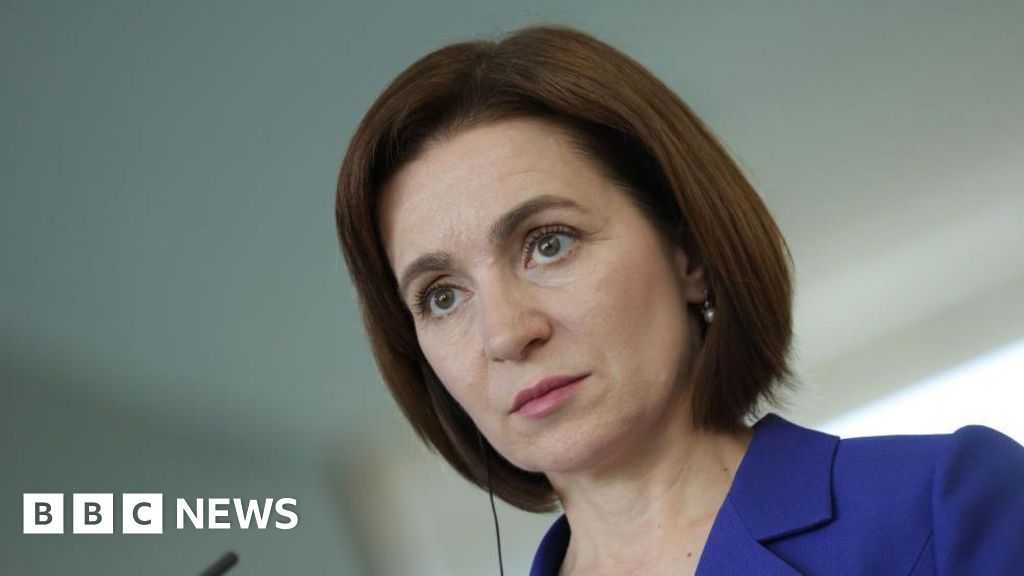
Moldova stands on a precipice. This SundayS parliamentary election isn’t just about domestic politics; it’s a critical juncture in the nation’s struggle for sovereignty and its westward trajectory toward the European Union. as President Maia Sandu pushes for closer ties with Brussels, a concerted effort by Moscow to destabilize the country and influence the outcome is escalating.
for Sandu and her Party of Action and Solidarity (PAS), the stakes couldn’t be higher. A strong showing – notably amongst the Moldovan diaspora – is essential to solidify the pro-EU momentum. But the path to a clear victory is fraught with challenges, primarily stemming from decades of Russian influence and increasingly brazen interference.
A History of Influence & A Recent Shift
moldova declared independence over 30 years ago following the collapse of the Soviet Union. However, it remains a nation with a significant Russian-speaking population and a complex geopolitical landscape. The breakaway region of Transnistria, heavily supported by Moscow and hosting Russian troops, continues to be a major point of contention.
For years, Russia has exerted considerable influence over Moldovan politics. But president Sandu’s leadership has marked a decisive shift. She initiated talks to join the EU, and last year, a national referendum narrowly approved enshrining EU accession as a constitutional goal.
That referendum, though, was far from clean. It passed by a razor-thin margin - 50.4% to 49.5% – and was plagued by documented evidence of Russian meddling.
* Cash was reportedly smuggled into the country to buy votes.
* Authorities estimate they only intercepted 10-15% of the funds intended to sway the outcome.
* In a small country like Moldova, even a few thousand votes can dramatically alter the result.
“With 200,000 votes it’s possible to change everything,” explains Sergiu panainte, deputy director of the german Marshall Fund in Bucharest. “It’s enough to look at the EU referendum in October, which was decided by such a small margin.” Despite increased fines for vote buying, the practice persists.
Escalating Russian Tactics
Russia’s interference isn’t limited to financial incentives. Recent police raids indicate a renewed push to destabilize the country ahead of the election. Bloomberg News reported on documents outlining extensive Russian plans to sow unrest and manipulate the vote.
The Russian Foreign Intelligence Service (SVR) responded with a statement mirroring Moldova’s accusations, claiming European countries are plotting to falsify the results and provoke protests.The SVR even falsely warned of a potential EU “armed incursion and de-facto occupation” of moldova, alleging troop deployments.
This escalation is a clear indication of Russia’s contingency planning. As Panainte warns, “If PAS do get a majority, it means they [Russia] will resort to violence and staged attacks. This is the option they are preparing for.”
Beyond Russian interference: Domestic Concerns
While Russia’s hybrid warfare is a significant threat, Sandu’s government also faces domestic criticism.
* Opponents argue the government hasn’t done enough to combat corruption.
* In Russian-speaking regions like gagauzia, some voters believe Moldova should maintain engagement with Moscow, fearing alienation.
President Sandu and her supporters strongly disagree, viewing closer ties with Europe as the only path to genuine security and sovereignty. The full-scale invasion of Ukraine in 2022 solidified this conviction, prompting a decisive turn towards the West.
What This Means for You
The outcome of this election will have far-reaching consequences, not just for Moldova, but for the broader geopolitical landscape. A victory for the PAS could accelerate Moldova’s EU integration, further diminishing Russian influence in the region. Conversely, a setback could embolden Moscow and potentially lead to increased instability.
You can expect to see continued disinformation campaigns, attempts at economic coercion, and potentially even provocations designed to undermine confidence in the electoral process.The coming days will be crucial in determining Moldova’s future – and whether it can successfully navigate the complex challenges it faces.
Disclaimer: *This article provides analysis based on publicly available details as of November 28, 2023. The situation is dynamic and
Worth a look