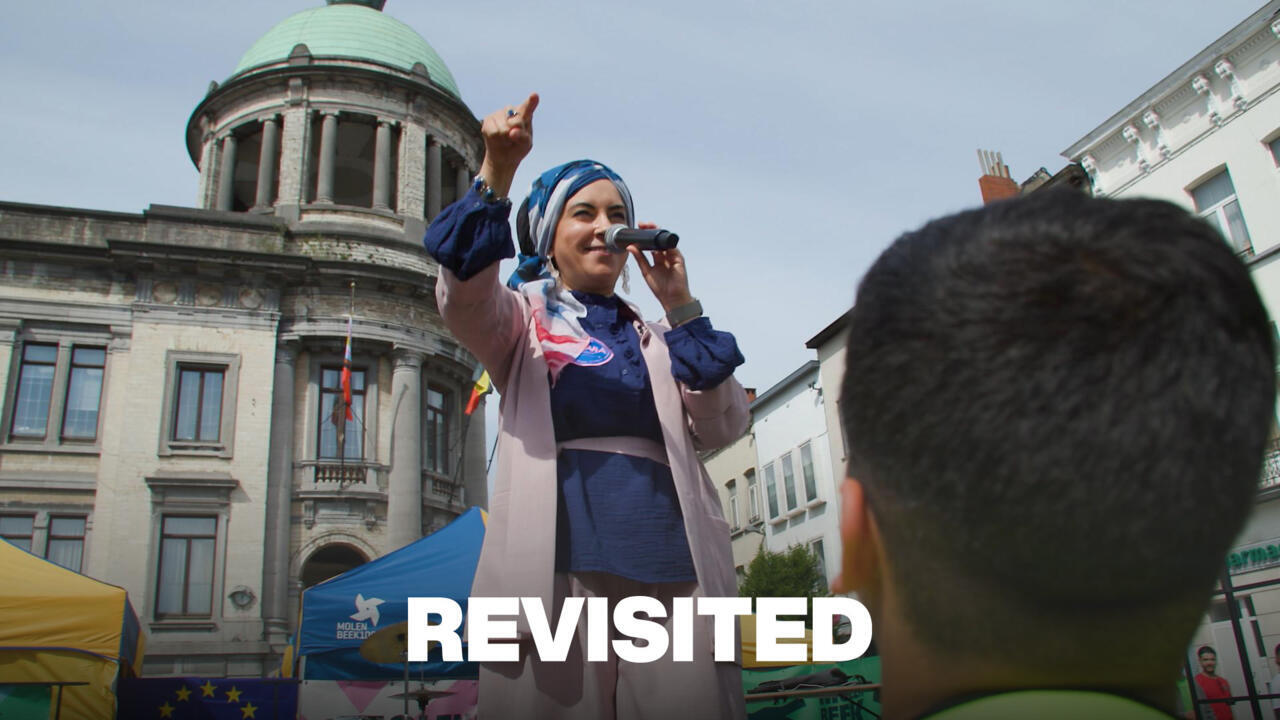
Molenbeek: A Decade after the Paris Attacks – Reinvention and Resilience in Brussels
Ten years have passed since the horrific November 2015 Paris terror attacks, an event that tragically claimed 131 lives and injured over 400.The name Molenbeek, a district in Brussels, Belgium, became inextricably linked to the tragedy as investigations revealed several of the attackers had roots in this densely populated neighborhood. Today, Molenbeek is striving to redefine its identity, navigating ongoing social and security challenges while seeking a path toward a more hopeful future.
From Headline to Hometown: The Shadow of 2015
In the immediate aftermath of the attacks,Molenbeek found itself thrust into the global spotlight. It was here that Salah Abdeslam, the sole surviving perpetrator, was apprehended. Consequently, Molenbeek Saint-Jean quickly became, unfortunately, synonymous with radical Islam and social exclusion in the eyes of many.
But was this portrayal a fair reflection of the entire community? And more importantly, what has changed in the decade since?
A Neighborhood in Transition: Facts and Figures
Molenbeek is Belgium’s most densely populated area, a vibrant melting pot of nearly 100 different nationalities. this diversity is a source of strength, yet it also presents unique challenges. The neighborhood even made a bold bid this year to become the European Capital of Culture in 2030, signaling its ambition for positive change.
However, ambition alone isn’t enough. Let’s delve into the concrete steps taken and the realities faced by Molenbeek’s residents.
Addressing Radicalization: Policies and Progress
Preventing radicalization remains a central focus for Molenbeek’s authorities. Several initiatives have been implemented over the past decade, including:
* Enhanced Community Policing: Increased police presence and a focus on building trust with residents.
* Social integration Programs: Initiatives designed to promote inclusivity and provide opportunities for marginalized youth.
* Early Intervention Programs: identifying and supporting individuals at risk of radicalization through counseling and mentorship.
* Educational Reforms: Promoting critical thinking and tolerance within schools.
But have these policies truly been effective? The answer is complex. While there’s evidence of progress in certain areas, challenges persist.The underlying issues of poverty, unemployment, and social exclusion continue to fuel vulnerability.
The Human Cost: Life in the Spotlight
For the residents of Molenbeek, the past decade has been marked by stigma and scrutiny. Many feel unfairly judged and stereotyped.You can imagine the frustration of being associated with the actions of a few.
Its crucial to remember that Molenbeek is home to a vast majority of law-abiding, hardworking individuals who simply wont to live in peace and security. Their voices frequently enough go unheard amidst the broader narrative. Understanding their experiences is vital to fostering genuine change.
Looking Ahead: Molenbeek’s Path to Reinvention
Molenbeek’s journey is far from over. The path to reinvention requires a sustained, multifaceted approach. This includes:
* Investing in Education and Job Training: Equipping residents with the skills they need to succeed in the modern economy.
* Strengthening Social Cohesion: Fostering a sense of belonging and shared identity within the community.
* Addressing Systemic Inequalities: Tackling the root causes of poverty and social exclusion.
* Promoting Dialog and Understanding: Breaking down barriers between different communities.
Ultimately, Molenbeek’s success will depend on its ability to harness its diversity, empower its residents, and build a future based on inclusivity and prospect.
Evergreen Insights: The Broader Context of Radicalization
The challenges faced by Molenbeek are not unique. Many urban areas across Europe and beyond grapple with similar issues of radicalization and social exclusion. Several factors contribute to this phenomenon, including:
* socioeconomic Disadvantage: Poverty, unemployment, and lack of opportunity can create a breeding ground for extremism.
* Political Grievances: Feelings of marginalization and disenfranchisement can fuel resentment and anger.
* Ideological Influences: Extremist ideologies can exploit vulnerabilities and offer a
Related reading