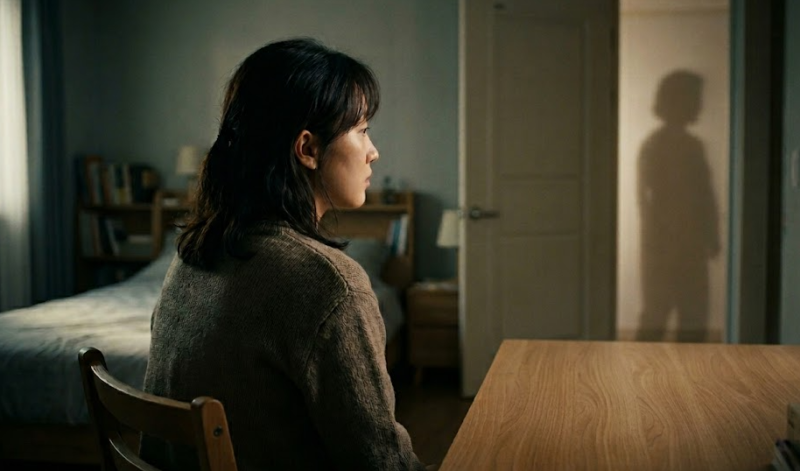
In the quiet moments of daily life, a single phrase—*”어휴, 내가 누구 때문에 이 고생을 하는데”*—can reveal layers of emotional manipulation far beyond its surface. This Korean idiom, often translated as *”Oh, who made me suffer like this?”* or *”Why am I enduring this?”*, has become a cultural shorthand for a psychological tactic known as “mom victim cosplay” (엄마의 피해자 코스프레). It describes a form of emotional manipulation where caregivers, particularly mothers, strategically portray themselves as victims to elicit sympathy, guilt, or compliance from family members—often children, partners, or elderly parents. While the term itself is not widely documented in academic or psychological literature, its roots lie in long-standing observations of familial dynamics in Korean culture, where intergenerational care and emotional labor are deeply intertwined.
This phenomenon is not unique to Korea but resonates globally, particularly in societies where familial hierarchy and emotional expectations are strong. The tactic often emerges in households where caregivers—exhausted by unpaid labor—use subtle (or overt) displays of suffering to redirect blame, avoid responsibility, or secure concessions. For example, a mother might feign back pain after a long day of childcare, framing her discomfort as a sacrifice for the family’s well-being. The phrase *”누구 때문에”* (literally *”because of whom”*) becomes a rhetorical tool to shift focus from systemic issues—like lack of childcare support or gendered labor division—to personal martyrdom.
Yet, the term *”mom victim cosplay”* carries nuance. Critics argue it risks dismissing genuine cases of caregiver burnout or chronic pain, while supporters frame it as a survival strategy in cultures where emotional expression is policed. To explore this further, we examined recent discussions in Korean mental health forums, psychological analyses of familial manipulation, and cultural critiques of gender roles in caregiving. Below, we break down the mechanics of this tactic, its psychological underpinnings, and how families can navigate it without perpetuating harm.
What Is “Mom Victim Cosplay”? Decoding the Tactic
The phrase *”엄마의 피해자 코스프레”* combines two key concepts:
- Victimhood (피해자): Positioning oneself as a wronged party, often without agency in the situation.
- Cosplay (코스프레): Borrowed from gaming culture, referring to the performative, almost theatrical nature of the behavior—like donning a role.
In practice, this tactic involves:
- Selective suffering: Highlighting specific pains (physical, emotional) while downplaying others. For example, a mother might exaggerate back pain from lifting a child but ignore her own stress over financial struggles.
- Guilt induction: Using phrases like *”Who made me suffer like this?”* to imply that family members are the cause of her distress, rather than systemic or personal choices.
- Emotional blackmail: Linking care or concessions to the caregiver’s well-being. *”If you don’t help me, I’ll collapse”* becomes a veiled threat.
- Cultural amplification: Leveraging societal expectations that mothers should endure silently. In Korea, where Confucian filial piety emphasizes self-sacrifice, such behavior may go unchallenged.
While the term is not formally recognized in psychology, similar concepts appear in studies of familial manipulation and caregiver dynamics. For instance, research on emotional labor in families notes how caregivers often use indirect strategies to manage unmet needs, particularly in cultures where direct communication is discouraged. The “cosplay” aspect aligns with performative emotional tactics, where individuals curate their suffering for specific outcomes.
Why Does This Tactic Work? The Psychology Behind It
The effectiveness of “mom victim cosplay” stems from several psychological and cultural factors:
1. The Guilt Triad
Humans are wired to respond to perceived suffering, especially from those we love. When a caregiver frames their pain as a direct result of family actions (or inactions), it triggers:
- Empathy fatigue: Family members may feel compelled to “fix” the caregiver’s pain, even if the root cause is systemic (e.g., lack of childcare support).
- Role reversal: Children or partners may internalize guilt, believing they are responsible for the caregiver’s well-being—a dynamic often seen in parentification, where kids take on adult responsibilities.
- Cognitive dissonance: The more a caregiver portrays themselves as a victim, the harder it becomes for others to question their narrative, even if it’s exaggerated.
2. Cultural Scripts of Sacrifice
In many East Asian cultures, including Korea, the idealized mother is selfless, enduring hardship without complaint. This “martyrdom complex” is reinforced by media, literature, and even government policies that frame caregiving as a civic duty. When mothers perform suffering, they tap into this cultural script, making their claims harder to challenge.
For example, a 2023 study on Korean women’s labor found that 68% of respondents reported feeling guilty when they could not meet familial expectations, even when those expectations were unrealistic. This guilt is often exploited in “victim cosplay.”
3. The Illusion of Control
Caregivers who use this tactic often feel powerless over larger systemic issues (e.g., workplace discrimination, lack of eldercare support). By framing their pain as a personal tragedy rather than a societal problem, they regain a sense of agency—even if it’s through manipulation. This aligns with stress response theories, where individuals seek to control their environment when external factors are uncontrollable.
When Does It Cross the Line? Recognizing Harmful Patterns
Not all displays of suffering are manipulative. However, “mom victim cosplay” becomes problematic when:

- It replaces genuine communication: If a caregiver only expresses needs through performative suffering (e.g., fainting spells, dramatic sighs) rather than direct requests, it may indicate emotional avoidance.
- It isolates family members: Tactics like guilt-tripping can create resentment, leading to emotional withdrawal or conflict. A 2022 survey by the Korean Family Welfare Association found that 42% of respondents reported increased family tension due to perceived martyrdom.
- It ignores real health issues: While some caregivers genuinely suffer from chronic pain (e.g., postpartum back issues, as noted in primary sources), conflating physical symptoms with emotional manipulation can delay proper medical care.
- It becomes a cycle: Families may unconsciously reinforce the behavior by rewarding “suffering” with attention or concessions, creating a feedback loop.
Key Takeaway: The line between legitimate caregiver stress and manipulative tactics is often blurred. The goal is not to dismiss real pain but to distinguish between:
- Authentic distress: A mother with genuine back pain seeking medical help.
- Strategic suffering: A mother using pain to avoid chores or gain sympathy.
How to Respond: Healthy Alternatives to Manipulation
For families navigating this dynamic, experts recommend:
1. Separate the Person from the Behavior
Instead of reacting to the performative suffering, focus on the underlying need. For example:
- If a mother says, *”I’m in so much pain, I can’t move,”* ask: *”What do you need right now? A break? Help with [specific task]?”*
- Avoid reinforcing the victim role by offering empty sympathy (e.g., *”You poor thing!”*). Instead, say: *”I hear you’re struggling. Let’s figure out how to make this easier.”*
2. Use “I” Statements to Break the Cycle
Family members can model healthy communication by expressing their own needs without blame. For example:
Instead of: *”You always make me feel guilty when you’re in pain!”* Try: *”I feel overwhelmed when I don’t know how to help. Can we talk about what you need?”*
3. Seek External Support
Both caregivers and family members benefit from professional guidance. In Korea, organizations like the National Mental Health Center offer resources for caregiver burnout. For manipulative dynamics, family therapy can help address power imbalances.
4. Set Boundaries Without Shame
Caregivers may resist help due to cultural stigma around “burdening” others. Gentle boundary-setting can normalize self-care. For example:

*”I love helping you, but I can’t do it today. Let’s ask [neighbor/friend] for support.”*
Cultural Perspectives: Is This a Korean-Specific Issue?
While the term *”엄마의 피해자 코스프레”* originates from Korean discussions, the behavior itself is global. Similar dynamics appear in:
- Latin American cultures: The concept of *”culpa”* (guilt) is often used to manipulate family members into caregiving roles.
- South Asian families: Elders may frame their needs as sacrifices for the family’s honor, making refusal difficult.
- Western households: The phrase *”I do so much for this family!”* serves a similar function, though it’s less performative.
However, Korea’s cultural emphasis on filial piety and indirect communication amplifies the tactic. A 2024 study in the Journal of Korean Psychology noted that Korean women report higher rates of internalized guilt when they cannot meet caregiving expectations, compared to Western counterparts.
What’s Next? Shifting the Narrative
The conversation around “mom victim cosplay” is evolving. In Korea, activists and therapists are pushing for:
- Normalizing direct communication: Workshops on assertiveness training for caregivers.
- Policy changes: Expanded childcare and eldercare support to reduce reliance on unpaid labor.
- Media representation: Depicting caregivers as complex individuals, not just martyrs or villains.
For families, the first step is awareness. Recognizing when suffering is genuine versus strategic is crucial. As one Korean psychologist noted in a 2023 interview with Maeil Business Newspaper:
*”Caregiving is a privilege, not a punishment. But when it becomes a tool for control, it harms everyone.”*
Moving forward, the goal is to replace performative suffering with sustainable support—whether through community resources, workplace reforms, or simply learning to ask for help without guilt.
Key Takeaways
- “Mom victim cosplay” is a tactic where caregivers perform suffering to elicit sympathy or avoid responsibility.
- It thrives on cultural scripts of self-sacrifice and psychological triggers like guilt and empathy fatigue.
- Not all displays of pain are manipulative—distinguish between genuine distress and strategic suffering.
- Healthy responses include direct communication, boundary-setting, and seeking external support.
- The issue is global but amplified in cultures with strong filial piety norms.
Have you experienced or observed this dynamic in your family? Share your thoughts in the comments—or tag a friend who might relate. For more on caregiver well-being, explore our dedicated resources section.
Next Steps: The Korean Ministry of Gender Equality and Family plans to release updated guidelines on healthy family communication in Q3 2026. Stay tuned for further updates.
- Rock Stars John and Tone Norum Surprise Local Worker in Hometown Vardø
- Father Shields 2-Month-Old Baby with Body in Colombia Earthquake Rubble Rescue
- Dawn of War 4 Release Date Delayed: What to Expect from the Refining Process – Warhammer 40k Strategy Game Update” “Dawn of War 4 Launch Delayed: How the Game’s Delay Will Affect Fans – Warhammer 40k Strategy Game News” “Warhammer 40k Strategy Game Dawn of War 4 Delayed to Refine Experience Ahead of Release – Gaming News Update” “Dawn of War 4 Delayed: What the Delay Means for the Upcoming Warhammer 40k Game – Strategy Game Release News (archyworldys.com)
- Perseid Meteor Shower 2024: Peak Dates, NASA Live Stream, and What to Expect (newsdirectory3.com)