
Mpox, formerly known as monkeypox, continues to circulate globally, with health authorities emphasizing that unprotected sexual contact remains a primary transmission route for the virus. According to the World Health Organization (WHO), the virus spreads primarily through close, skin-to-skin contact, including during sexual activity, which allows the pathogen to transition from lesions, bodily fluids, or contaminated materials to a new host.
As a physician, I have observed that understanding the specific mechanisms of transmission is essential for public health preparedness. While the current global outbreak has seen a significant concentration of cases among men who have sex with men, health agencies clarify that the virus does not target any specific community. Instead, it follows the path of close physical proximity. The World Health Organization notes that anyone can contract mpox if they have close contact with an infected person or animal.
Understanding Mpox Transmission Dynamics
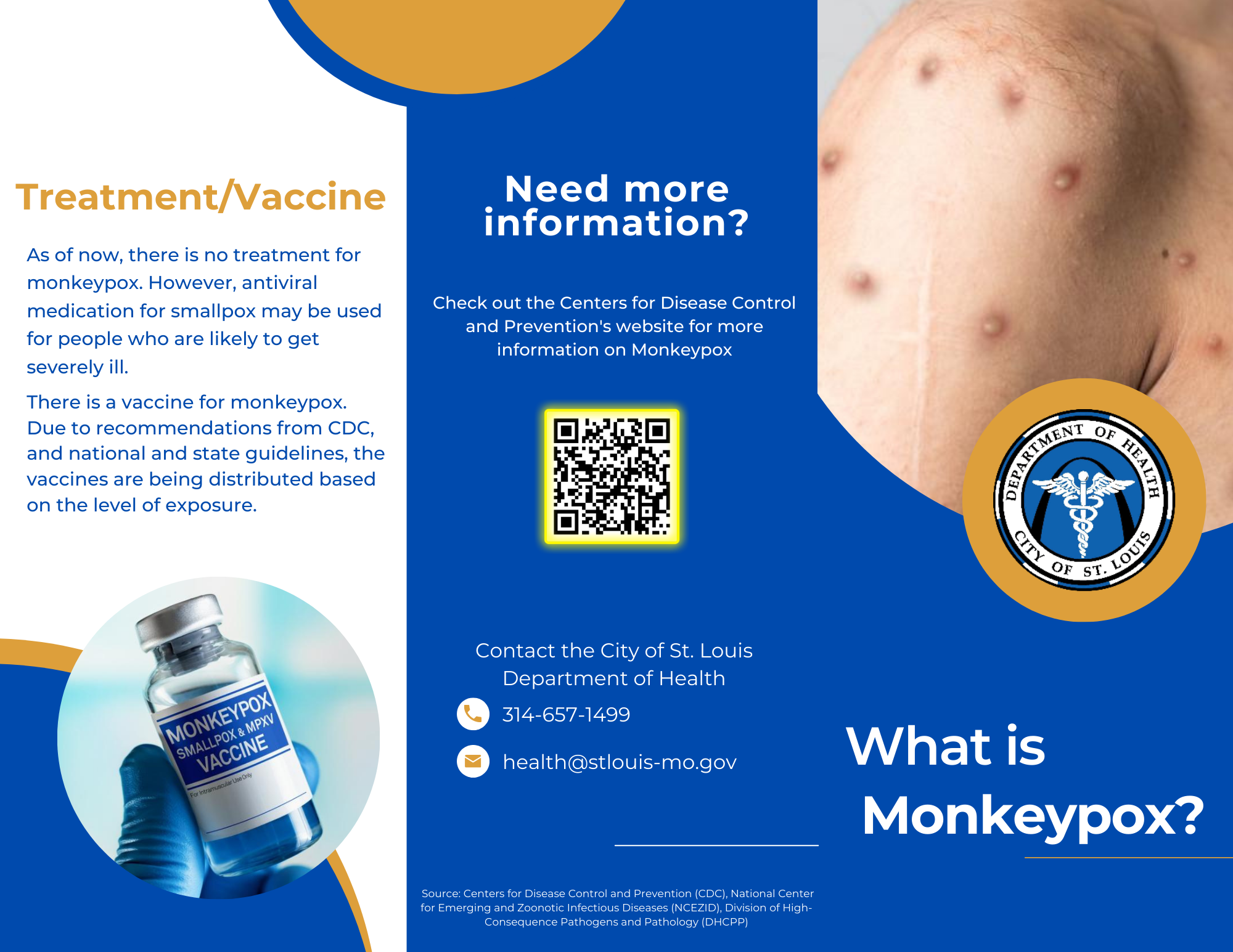
The mpox virus is an orthopoxvirus that causes symptoms including fever, rash, and swollen lymph nodes. Transmission occurs when a person comes into contact with the virus from an infected source. Official guidance from the U.S. Centers for Disease Control and Prevention (CDC) highlights that the virus can spread through direct contact with the infectious rash, scabs, or body fluids. During sexual activity, this contact is often prolonged and intimate, creating an environment where transmission is highly efficient.
It is important to differentiate between transmission routes. While respiratory droplets can play a role in transmission, they generally require prolonged face-to-face contact. In the context of sexual health, the primary concern is skin-to-skin contact, as lesions—even those that are not yet visible or are in the genital or anal regions—contain high viral loads. The European Centre for Disease Prevention and Control (ECDC) maintains that barrier methods, while helpful in reducing risk, may not provide complete protection if lesions or infected fluids are present in areas not covered by a condom.
Risk Mitigation and Public Health Guidance
Public health strategies to mitigate the spread of mpox focus on vaccination, awareness, and behavioral adjustments. Vaccination is a key tool for those at higher risk of exposure. In many jurisdictions, including parts of the European Union and North America, two-dose regimens of the JYNNEOS or MVA-BN vaccine are recommended to build immunity.

Beyond vaccination, individuals are encouraged to monitor their health for the appearance of new, unexplained rashes or lesions. If symptoms develop, the standard medical advice is to isolate and seek care from a healthcare provider. The WHO advises that individuals should avoid sexual contact until they have been evaluated by a clinician and, if necessary, cleared of infection. This approach is intended to break the chain of transmission within social networks and broader communities.
Addressing Misconceptions About the Virus
A frequent point of confusion in public discourse is the labeling of mpox as a “sexually transmitted infection.” While the virus is frequently transmitted during sex, it is scientifically classified as a zoonotic virus that spreads through close contact, not strictly a sexually transmitted infection (STI) in the traditional sense of pathogens like chlamydia or gonorrhea. However, because sexual networks often involve frequent close contact, the virus can spread rapidly within them.
The CDC emphasizes that clinical recognition is vital for containment. Healthcare providers are trained to look for rashes that may be mistaken for other STIs, such as syphilis or herpes. Accurate diagnosis is the first step in ensuring that patients receive appropriate supportive care and that their close contacts can be identified and monitored.
Current Status and Future Reporting
As of late 2024, international health organizations continue to monitor the evolution of the virus, particularly the Clade I and Clade II variants. The WHO periodically updates its Disease Outbreak News portal, which serves as the primary repository for confirmed case counts and geographical spread data. For those seeking localized information, regional health departments provide the most accurate guidance on vaccine availability and testing protocols.
The global health community remains focused on equitable access to vaccines and therapeutics to ensure that the virus does not become endemic in regions where it has not historically been present. Continued vigilance, transparent communication, and evidence-based public health interventions remain our best defenses against the further spread of mpox.
We invite our readers to share their thoughts and experiences regarding public health communication in the comments section below. For the latest updates, please continue to follow our reporting here at the World Today Journal.
Related reading