
The Ardennes region, particularly the corridor encompassing Bastogne, functions as a vital hub for European automotive culture, combining a storied motorsport heritage with complex topographical conditions that serve both enthusiasts and technical testing requirements. The area’s unique combination of undulating terrain, variable microclimates, and proximity to world-class racing facilities makes it a significant location for automotive tourism and regional industry development.
While the Bastogne area is internationally recognized for its historical significance, the automotive sector—often categorized through local entities and driving routes like the Circuit Ardennes—contributes a distinct economic and technical dimension to the Belgian Ardennes. This sector spans from specialized driving experiences to the broader technical challenges posed by the region’s geography for modern vehicle engineering.
How does the Ardennes topography impact automotive engineering?
The physical geography of the Ardennes presents a rigorous environment for automotive testing and development. Characterized by dense forests, significant elevation changes, and a high frequency of rapid weather transitions, the terrain requires vehicles to maintain high levels of thermal management and traction control. For engineers, the Ardennes provides a real-world simulation of “mixed-condition” driving that is difficult to replicate in controlled laboratory settings.
According to geological and topographical data for the Belgian Ardennes, the region’s winding, narrow roads and steep gradients test the limits of braking systems and powertrain efficiency. The constant shifts in altitude and the presence of moisture-heavy microclimates—often resulting in sudden fog or localized rainfall—create a high-friction and high-humidity environment. These factors are critical for calibrating Advanced Driver Assistance Systems (ADAS) and autonomous driving sensors, which must remain reliable despite visual obstructions and varying road surface grip.
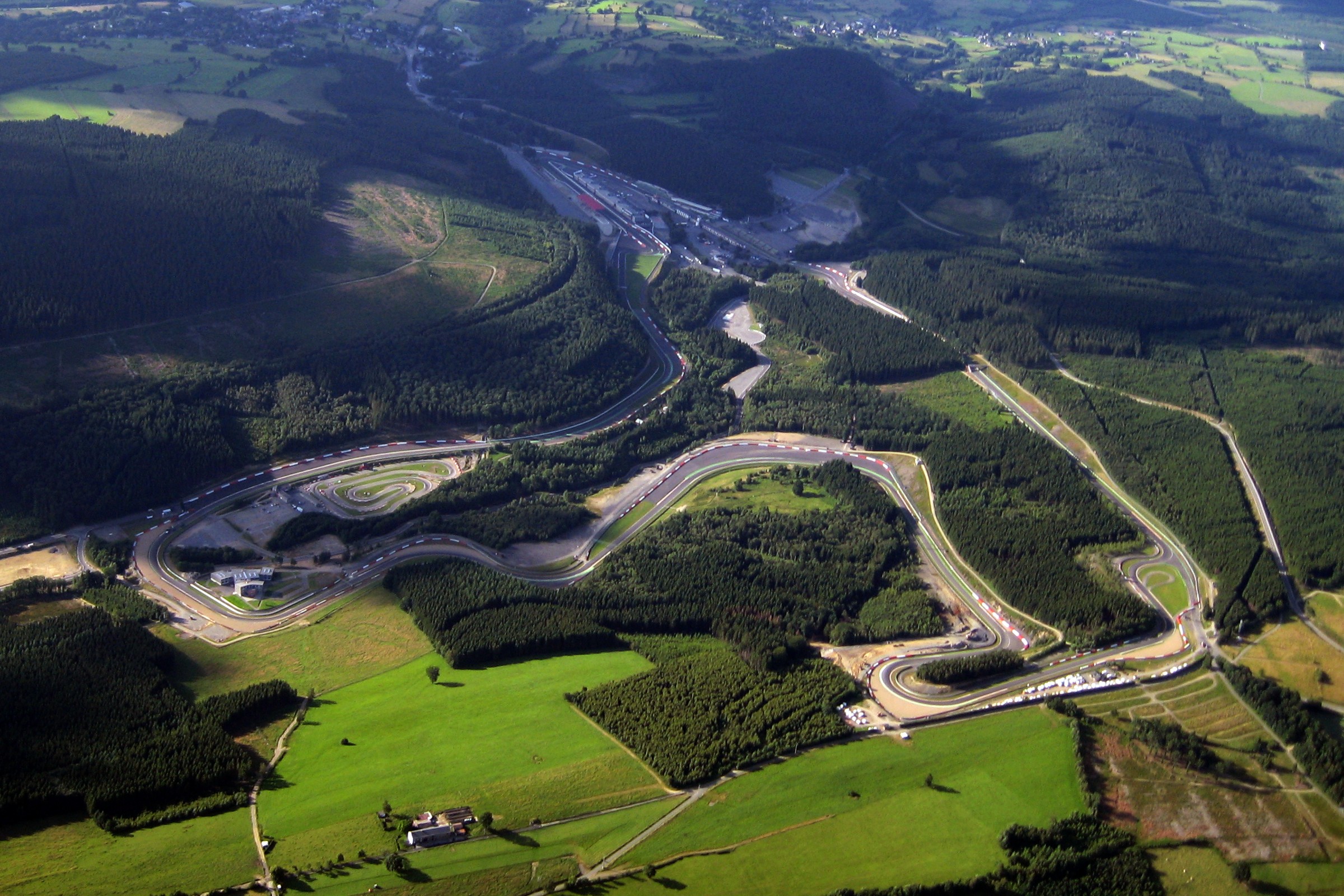
The technical challenges can be broken down into several key areas:
- Traction and Surface Variability: The transition between dry asphalt, damp forest roads, and gravel-strewn sections requires sophisticated electronic stability control (ESC) calibration.
- Thermal Regulation: Frequent elevation changes place high demands on cooling systems during both ascent and descent, particularly for internal combustion engines (ICE) and high-performance electric vehicle (EV) battery packs.
- Aerodynamic Stability: The uneven terrain and unpredictable wind patterns through forest corridors necessitate robust aerodynamic profiles to maintain vehicle stability at higher speeds.
What is the connection between Bastogne and the regional motorsport heritage?
Bastogne sits within a wider ecosystem of European motorsport that is anchored by the proximity of the Spa-Francorchamps circuit. While Spa-Francorchamps remains the primary venue for international racing, the surrounding Ardennes region, including the areas near Bastogne, provides the infrastructure for rally racing, amateur circuit driving, and automotive tourism. This heritage is not merely recreational; it is an integral part of the regional identity and economic structure.
The history of rallying in the Belgian Ardennes has long utilized the region’s challenging roads to test the durability of both production and specialized racing vehicles. This tradition has fostered a local industry of automotive services, specialized garages, and driving experiences that cater to a global audience of enthusiasts. The “Circuit Ardennes” designation often refers to the collective experience of navigating these historic and technical driving routes, which serve as a decentralized circuit for testing driver skill and vehicle endurance.
The economic impact of this motorsport culture is evident in the specialized tourism sector. Automotive enthusiasts often travel to the Ardennes specifically to engage with the driving routes, supporting local hospitality and service industries in Bastogne and surrounding municipalities. This creates a symbiotic relationship between the region’s historical tourism and its modern automotive appeal.
Why is the Ardennes a testing ground for future vehicle technologies?
As the automotive industry shifts toward electrification and autonomous driving, the Ardennes is increasingly relevant as a site for technical validation. The transition from Internal Combustion Engines (ICE) to Electric Vehicles (EV) introduces new variables that the Ardennes terrain is uniquely suited to test.
For EV manufacturers, the hilly terrain of the Bastogne area serves as a critical benchmark for regenerative braking efficiency and battery range estimation under load. The energy recovery capabilities of an EV are tested during the frequent descents characteristic of the Ardennes, while the climbs provide a rigorous test of torque delivery and thermal stability in the battery cells. This makes the region a practical laboratory for optimizing the range-to-weight ratios and energy management software of next-generation electric fleets.
Furthermore, the rise of autonomous vehicle (AV) development requires testing in “edge case” environments. The Ardennes offers these through:
- Sensor Reliability: Testing LiDAR and camera systems in the low-light, high-fog conditions common to the Belgian forests.
- Mapping Complexity: Navigating the non-linear, winding road networks that challenge traditional GPS and SLAM (Simultaneous Localization and Mapping) algorithms.
- Connectivity Challenges: Evaluating how autonomous systems perform in areas with variable cellular and satellite connectivity, common in dense, forested regions.
How does automotive tourism drive the Bastogne economy?
The intersection of history and automotive interest creates a diversified economic base for the Bastogne region. While many visitors arrive to explore the historical sites associated with the Battle of the Bulge, a growing segment of the market is driven by “driving tourism.” This includes high-performance car rentals, rally-spec driving experiences, and organized touring events that utilize the Ardennes’ technical road networks.

This niche market provides a steady stream of high-value visitors who contribute to the local economy through specialized services. Unlike traditional seasonal tourism, automotive enthusiasts often travel during shoulder seasons, helping to stabilize local revenue throughout the year. The presence of automotive-centric businesses—ranging from technical workshops to luxury driving tours—complements the existing historical tourism infrastructure, creating a more resilient regional economy.
The following table compares the two primary drivers of tourism in the Bastogne/Ardennes area:
| Feature | Historical Tourism | Automotive Tourism |
|---|---|---|
| Primary Interest | WWII History & Museums | Driving Dynamics & Motorsport |
| Core Activity | Guided Tours & Memorial Visits | Circuit Driving & Rallying |
| Economic Impact | Museums, Hotels, Local Guides | Specialized Garages, Car Rentals, Hospitality |
| Peak Seasonality | Summer & Specific Anniversaries | Year-round (Weather Dependent) |
Frequently Asked Questions
Is there a permanent racing track in Bastogne?
While Bastogne is a central hub for the region, the primary permanent racing circuit in the Ardennes is Spa-Francorchamps. Bastogne and its surrounding roads are primarily used for rally racing, driving tours, and automotive tourism experiences.
Why is the Ardennes important for car manufacturers?
The region’s combination of steep hills, variable weather, and winding roads provides a “real-world” testing environment for vehicle performance, battery efficiency in EVs, and the reliability of autonomous driving sensors.
What makes driving in the Ardennes unique?
The uniqueness lies in the technical difficulty of the terrain. Drivers must manage rapid changes in grip, elevation, and visibility, making it a premier destination for both professional testing and enthusiast driving.
The next scheduled updates regarding regional automotive development and motorsport event calendars for the Belgian Ardennes are expected following the seasonal planning cycles of regional tourism boards. For more in-depth analysis of automotive technology trends, follow our tech section.
What are your thoughts on the intersection of historical sites and modern automotive culture? Share your comments below and share this article with your network.
Related reading