
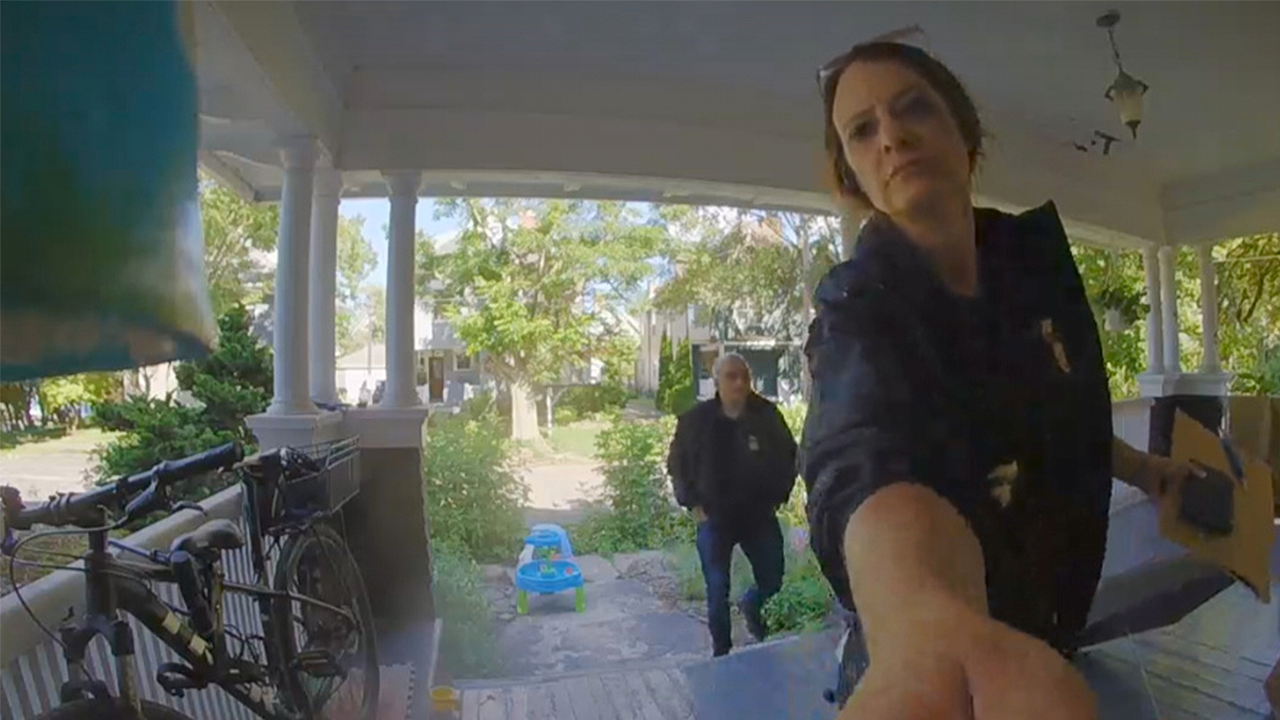
Federal immigration agents recently confronted a Rochester, New York, resident at his home and a hotel months after he sent a harsh email to ICE. The incident has prompted scrutiny regarding the agency’s interactions with civilians who voice grievances against federal law enforcement. According to legal representatives for the individual, the encounter involved agents questioning him about his communication, raising concerns among civil liberties advocates about the boundaries of government monitoring and protected speech.
This report examines the documented interactions between private citizens and federal immigration authorities, the subsequent inquiries from federal lawmakers, and the broader questions regarding how government agencies manage critical correspondence from the public. I have tracked these developments to provide a clear, evidence-based account of the events reported in New York.
The Rochester Incident and Reported Confrontations
The individual, whose identity has been withheld by his legal counsel, reportedly sent a blistering email to ICE expressing his frustration with the agency’s policies. Months later, he reported being visited by agents at his private residence. Following that initial visit, he stated that agents tracked him to a hotel where he was staying, leading to a second confrontation. His attorney maintains that these actions were an attempt to intimidate a citizen for exercising his right to criticize a federal entity.

While the agency has not provided a detailed public response regarding the specific motivations behind the visits to the Rochester resident, the case mirrors reports from other New York residents who claim they were warned by officers after publicly criticizing ICE. These accounts suggest a pattern of follow-up by agents that critics argue may chill free speech. In cases where citizens feel targeted, legal guidance often emphasizes the importance of documenting the time, location, and the names or badge numbers of any federal officers involved, as well as contacting legal representation immediately.
Congressional Oversight and Institutional Inquiries
The reported interactions have caught the attention of federal lawmakers. Following reports that ICE agents entered a Syracuse, New York, polling place, a top House Democrat has questioned the agency’s operational conduct. The presence of immigration agents at sensitive locations, such as polling sites, remains a subject of intense debate.

Lawmakers are now seeking clarity on whether these encounters represent a shift in agency policy or isolated incidents of officer discretion. However, the lack of transparency regarding specific investigations into these incidents has led to requests for formal briefings from the House Judiciary Committee and other oversight bodies.
Understanding Federal Oversight and Citizen Rights
For many observers, the core issue is the threshold for federal intervention. Generally, federal agencies are permitted to investigate threats made against government officials or facilities. However, constitutional scholars distinguish between legitimate threats and the expression of political dissent. Under the First Amendment of the U.S. Constitution, citizens are afforded broad protections when criticizing government agencies, provided their speech does not constitute a “true threat” or incite immediate violence.
The following points summarize the current status of these investigations:
- Oversight Requests: A top House Democrat has requested information from ICE regarding agents who entered a Syracuse polling place.
- Agency Policy: ICE has historically maintained that its primary mission is the enforcement of immigration laws, but the agency is also subject to rigorous internal and external oversight regarding officer conduct.
This process is designed to provide an independent review of allegations of misconduct or abuse of authority.
What Happens Next
As of this reporting, there is no scheduled public hearing regarding the specific interactions in Rochester. However, legislative inquiries into ICE’s operational tactics at polling stations and the monitoring of critical correspondence are ongoing. The next phase will likely involve the release of internal documents or formal responses from the agency to the congressional inquiries already filed.
We will continue to monitor these developments. We encourage our readers to share their thoughts on the balance between federal security mandates and individual civil liberties in the comments section below. For those interested in tracking official updates, the Library of Congress provides access to current legislative actions and committee filings related to federal immigration oversight.