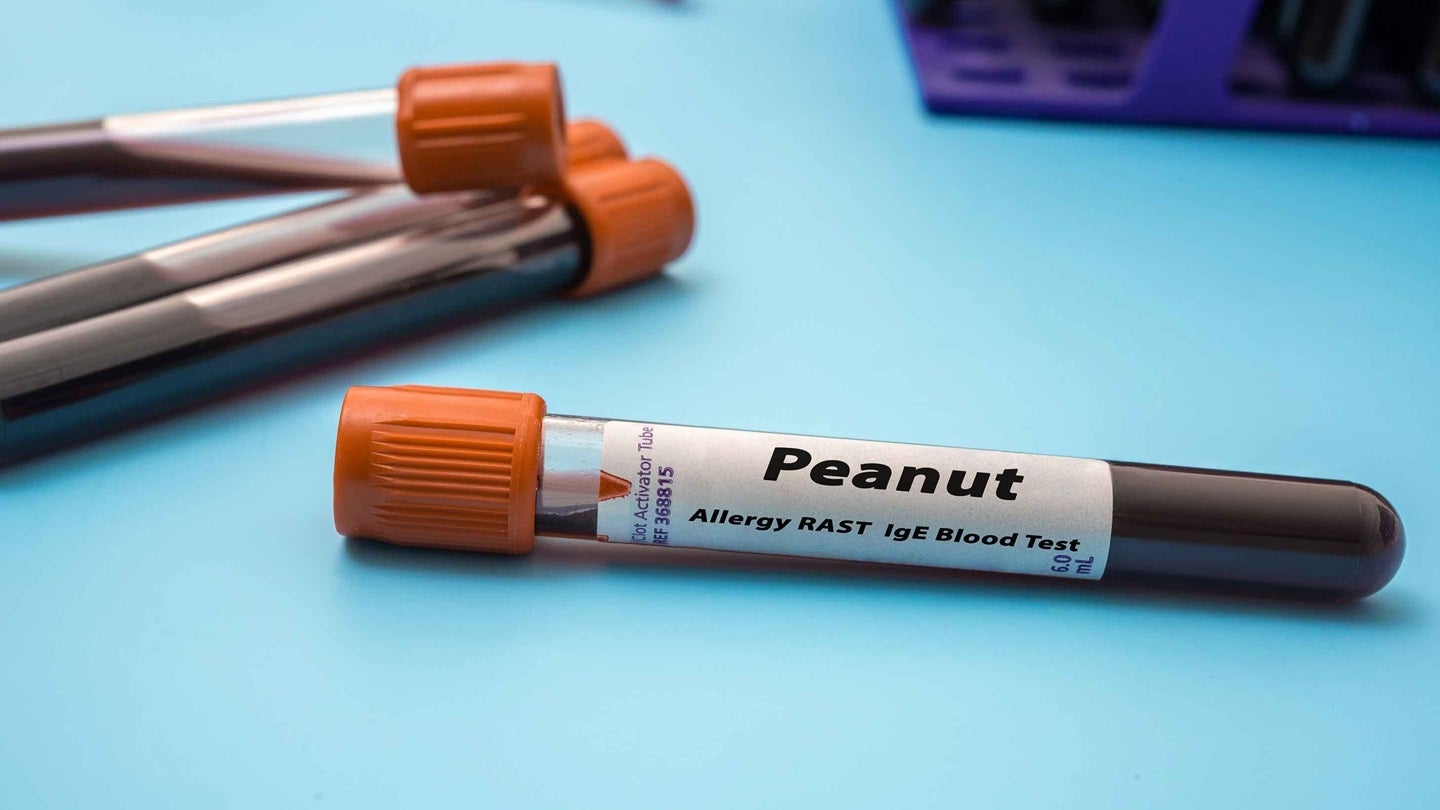
BERLIN — For millions of families living with the daily vigilance required to manage a peanut allergy, the path toward a potential new treatment has reached a significant milestone. Moonlight Therapeutics, a biotechnology firm focused on innovative allergy therapies, has officially launched its SURVEYOR Phase I clinical trial to evaluate the safety and tolerability of its investigational immunotherapy, MOON101. This development marks a transition for the company from preclinical research into human clinical evaluation, a critical hurdle in the complex landscape of food allergy medicine.
Peanut allergies remain one of the most common and potentially life-threatening food allergies globally, often persisting into adulthood and requiring strict avoidance of peanut-containing products. According to data from the National Institute of Allergy and Infectious Diseases (NIAID), the prevalence of food allergies has climbed in recent decades, placing a substantial burden on healthcare systems and individual quality of life. The initiation of the SURVEYOR trial represents a focused effort to address this unmet medical need through a novel delivery mechanism designed to modulate the immune system’s response to allergens.
Understanding the SURVEYOR Phase I Trial
Phase I clinical trials are the first step in testing a new drug in humans. The primary objective of the SURVEYOR study is to assess the safety profile of MOON101 in a small group of participants. Researchers are specifically monitoring for any adverse reactions, determining the appropriate dosage, and observing how the human body processes the immunotherapy. Clinical trials are governed by strict regulatory frameworks, such as those overseen by the U.S. Food and Drug Administration (FDA), which ensure that human research participants are protected and that data collection adheres to rigorous scientific standards.
MOON101 is an investigational product, meaning it is not yet approved for public use or medical prescription. Immunotherapy for food allergies typically functions by gradually exposing the patient’s immune system to the allergen in controlled, increasing amounts. The goal is to desensitize the immune system, potentially raising the threshold of the allergen required to trigger an allergic reaction. While current FDA-approved treatments, such as oral immunotherapy (OIT), have provided options for certain patient populations, the search for more targeted, convenient, and safer delivery methods remains a priority for medical researchers.
The Landscape of Food Allergy Innovation
The field of allergy research is currently undergoing a period of intense innovation. Beyond traditional avoidance strategies, researchers are exploring various modalities, including epicutaneous (skin-patch) therapies, sublingual (under-the-tongue) treatments, and novel biologics. The focus of the SURVEYOR trial is part of a broader trend in immunology aimed at “re-training” the immune system rather than simply treating the symptoms of an accidental exposure.

For patients and their families, the language of clinical trials can often feel opaque. It is critical to distinguish between a Phase I trial—which is primarily focused on safety—and later-stage trials (Phase II and Phase III) that are designed to establish efficacy and confirm therapeutic benefits on a larger scale. Participants in current studies are often those who meet very specific clinical criteria, and enrollment is managed through institutional review boards and clinical study sites that prioritize the health and safety of every volunteer.
Key Considerations for Patients
- Safety First: Phase I trials are strictly monitored by medical professionals to detect potential side effects early.
- Clinical Necessity: Not every patient is a candidate for clinical trials. eligibility is determined by medical history, the severity of the allergy, and other health factors.
- Long-term Outlook: Successful completion of Phase I is only the beginning of a multi-year regulatory journey before a drug can reach the pharmacy shelf.
As we monitor the progress of the SURVEYOR trial, it is essential to remember that medical breakthroughs are incremental. The scientific community relies on the transparency of data and the rigorous peer-review process to move from experimental concepts to standard-of-care treatments. Families are encouraged to consult their primary care physicians or allergists regarding their current management plans and to rely on official databases, such as ClinicalTrials.gov, for the most accurate and up-to-date information regarding active research studies.

What Happens Next?
Following the conclusion of this initial safety phase, Moonlight Therapeutics will be required to analyze the accumulated data to determine if the results support proceeding to larger-scale studies. If the safety profile of MOON101 remains favorable, the company would then move to Phase II, which typically involves a larger cohort of patients to begin evaluating how effective the treatment is at achieving desensitization.
There is currently no set timeline for the release of preliminary results from the SURVEYOR study, as clinical trials must follow their own internal protocols and data monitoring schedules. As a health journalist, I will continue to track these developments as they emerge from official company disclosures and regulatory filings. For those currently managing a peanut allergy, the most effective tool remains the strict adherence to an individualized allergy action plan, including the availability of epinephrine auto-injectors and regular consultations with a board-certified allergist.
We invite our readers to share their thoughts on the evolution of food allergy treatments. Are you interested in learning more about the specific mechanisms of immunotherapy? Please leave your comments below or share this article to help spread awareness about the ongoing efforts to improve care for those with food allergies.
Related reading