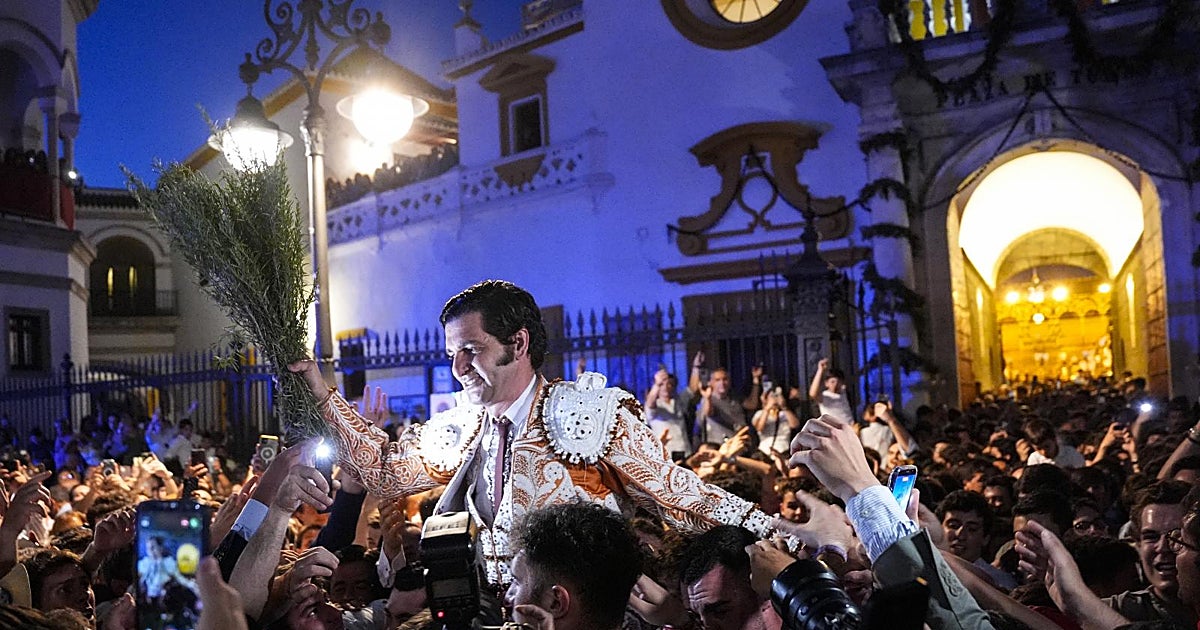
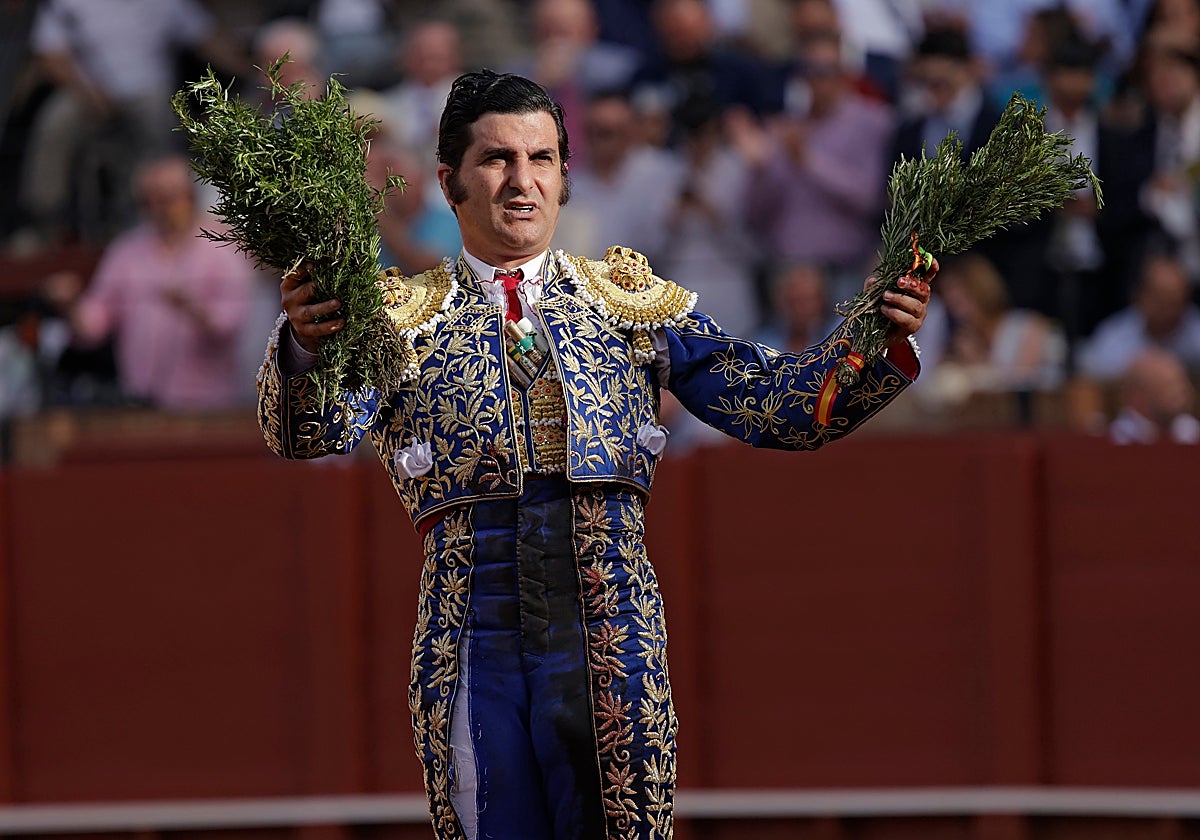
The storied Plaza de Toros de la Maestranza in Seville recently played host to a Corpus Christi bullfighting festival that has sparked intense debate among aficionados and critics alike. At the center of the controversy is the performance of Morante de la Puebla, whose appearance culminated in the prestigious “Puerta del Príncipe” exit—a rare honor usually reserved for truly exceptional afternoons. However, the event has drawn sharp scrutiny regarding the standards applied to such an award, highlighting the tension between historical prestige and current officiating practices.
For those unfamiliar with the tradition, exiting through the Puerta del Príncipe is the highest recognition a matador can receive in Seville. It signifies a performance of such artistic and technical caliber that it leaves an indelible mark on the history of the Maestranza. Yet, this year’s Corpus Christi celebration has left many questioning whether the rigor traditionally associated with this honor was upheld, or if the decision reflected a shift in the regulatory climate governing one of the world’s most significant bullrings. According to official records from the Junta de Andalucía, which oversees the regulation of bullfighting events, the criteria for such awards rely heavily on the discretion of the presiding authority at the time of the event.
The debate surrounding this event underscores the evolving landscape of tauromachy in Spain. As stakeholders navigate the balance between artistic expression and the strict application of the Reglamento de Espectáculos Taurinos, the role of the president—the official responsible for awarding trophies—has become a focal point of public discourse. This particular afternoon in Seville served as a microcosm for broader questions about accountability and the preservation of the sport’s integrity.
The Mechanics of the Award: What Defines a “Puerta del Príncipe”?
In the context of the Maestranza, the Puerta del Príncipe is not merely a trophy; it is a cultural milestone. To earn it, a matador must typically secure multiple ears across their assigned bulls, reflecting a high level of mastery. However, the subjective nature of the sport means that the “weight” of these ears can be interpreted differently by the public, the critics, and the presidencia. In the recent Corpus Christi festivities, the disparity between the artistic reception of the performance and the official award granted has fueled a narrative of “laxity” among some observers.
The controversy is exacerbated by the presence of varying interpretations of the regulations. While the rules provide a framework for the awarding of trophies, the final decision remains with the president, who must weigh the quality of the faena against the expectations of a demanding Seville audience. When these expectations are not met, the resulting criticism is often directed at the regulatory body itself, rather than the matador, creating a complex dynamic between the artist and the institution.
Regulatory Scrutiny and the Role of the President
A significant aspect of the discourse involves the comments attributed to figures within the industry regarding the administration of the ring. Statements regarding the necessity of respecting both the city of Seville and the established regulations are not new, but they carry particular weight during high-profile events. The official reporting on the event highlights a growing demand for transparency in how these critical decisions are reached, especially when the consensus among seasoned critics diverges from the official outcome.

the regulatory environment in Andalusia is subject to periodic review. The regional government’s ongoing management of these spectacles seeks to balance the historic heritage of the art form with modern standards of conduct. For international observers, understanding this requires looking past the pageantry to the legal and administrative structures that underpin the Maestranza’s operations.
The Broader Context of Seville’s Taurine Season
The Corpus Christi festival is a highlight of the Seville calendar, drawing thousands of visitors to the city and the streets surrounding the Maestranza, such as the famous Calle Adriano. The cultural impact of these events extends far beyond the ring, influencing the local economy and the city’s identity. However, when the focus shifts from the artistry to the administration of awards, it can overshadow the celebratory nature of the season.
As we look toward future events in the official Maestranza schedule, the focus will likely remain on whether the standards of the Puerta del Príncipe will be recalibrated. The conversation is not just about a single performance, but about the long-term health and reputation of the bullfighting tradition. Whether this leads to a more rigid interpretation of the rules or a formalization of the award criteria remains to be seen in subsequent announcements from the regional authorities.
Key Takeaways for the Modern Aficionado
- The Significance: The Puerta del Príncipe remains the highest honor for a matador in Seville, representing excellence in technique and artistry.
- Regulatory Oversight: The awarding of trophies is the sole responsibility of the presiding authority, guided by the regional Regulations of Bullfighting Shows.
- Public Discourse: Recent events have highlighted a disconnect between official decisions and the critical reception of performances, sparking calls for greater consistency.
- Cultural Impact: Beyond the ring, the Maestranza’s events are vital to Seville’s cultural and economic life, making the integrity of the festivities a matter of public interest.
For those tracking the developments of the upcoming season, official updates and regulatory notices can be found through the Junta de Andalucía’s portal. As journalists, we continue to monitor the intersection of tradition and regulation, ensuring that the history of the Maestranza is reported with the accuracy and depth it deserves. We invite our readers to share their perspectives on the evolution of these traditions in the comments section below.
The next major checkpoint for the Seville taurine calendar will be the announcement of the autumn schedules and any subsequent regulatory adjustments from the regional Ministry of Culture. We will provide further analysis as official statements are released.
Keep reading