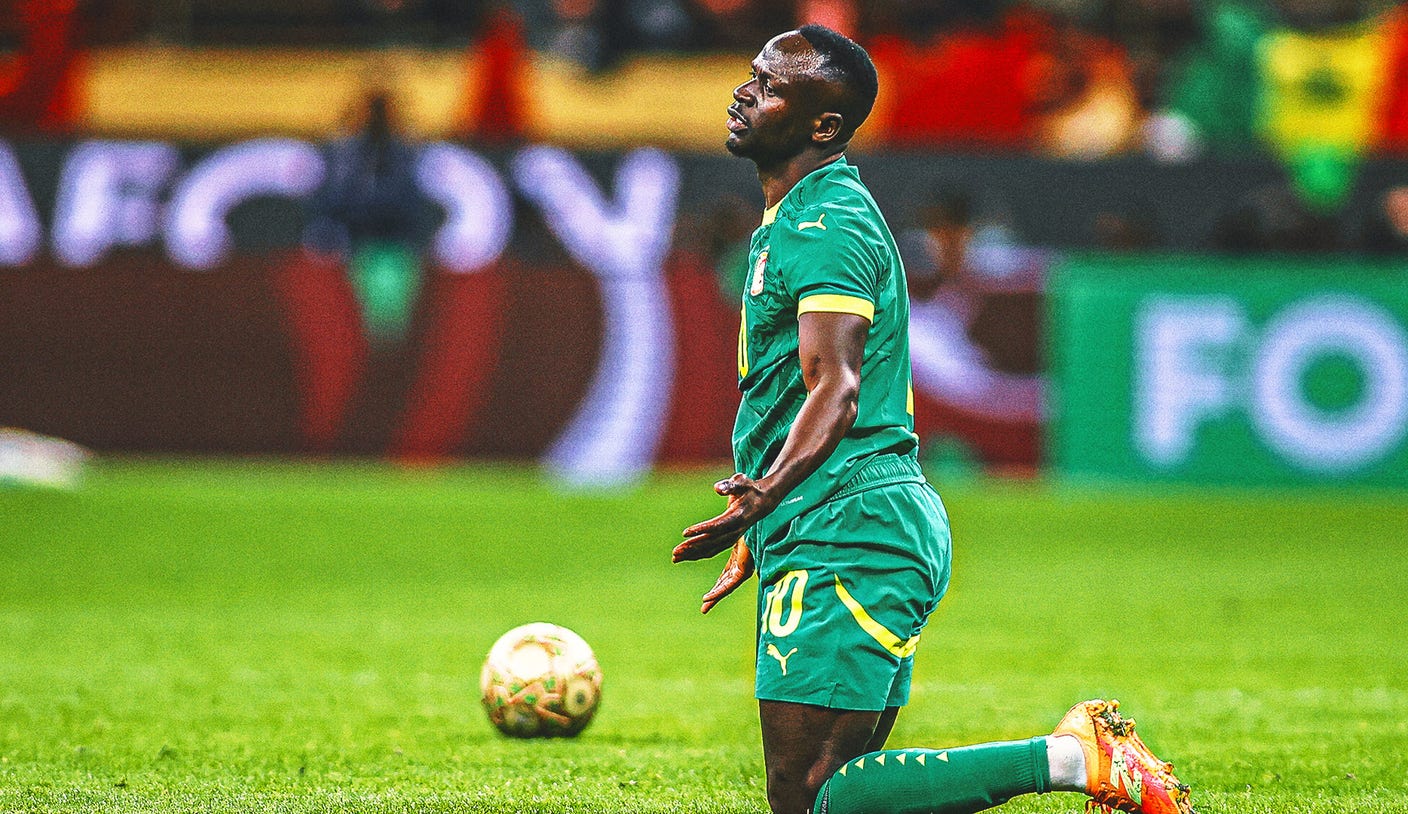
Rabat, Morocco – In a stunning reversal, Morocco has been declared the winner of the 2025 Africa Cup of Nations (AFCON) title, overturning Senegal’s initial victory. The decision, handed down by the Confederation of African Football (CAF) appeals board on Tuesday, stems from protests surrounding the chaotic final match held in January. The CAF ruled that Senegal forfeited the final, resulting in a 3-0 default win for the host nation, Morocco.
The dramatic turn of events casts a shadow over what was initially celebrated as a historic win for Senegal, who had defeated Morocco 1-0 in extra time. The original match, played in Rabat, was marred by controversy during stoppage time when a penalty was awarded to Morocco. Senegal’s players protested the decision, leaving the field for approximately 15 minutes as fans attempted to breach security barriers. Despite the disruption, play resumed, with Morocco’s Brahim Diaz having his penalty saved before Senegal ultimately scored the winning goal.
AFCON Title Stripped: A Timeline of Events
The initial disciplinary hearing following the final saw both Senegal and Morocco facing significant fines and player bans. Yet, the result of the match itself remained unchanged. According to reports from NPR, the fines exceeded $1 million, impacting players and officials from both nations. But this outcome was swiftly challenged, leading to the appeal that has now dramatically altered the championship standings. The CAF appeal board’s decision to overturn the result represents an unprecedented move in the history of the Africa Cup of Nations.
The core of the dispute centers around Senegal’s walk-off during the stoppage time of the final. CAF officials determined that Senegal’s actions constituted a forfeiture of the match, citing violations of competition rules. This ruling effectively nullifies Senegal’s on-field victory and awards the title to Morocco. The decision has sparked outrage among Senegalese fans and officials, who argue that the penalty decision was questionable and that their protest was a legitimate response to perceived injustice.
The Chaotic Final in Detail
The January 18th final in Rabat was already a tense affair before the late-game drama unfolded. Morocco, buoyed by home-field advantage, pushed hard for a goal throughout the match. Senegal, boasting a strong squad including Sadio Mané, defended resolutely and looked to capitalize on counter-attacks. The match remained scoreless through regulation time, with both teams creating chances but failing to locate the back of the net.
The controversy erupted in stoppage time when the referee awarded a penalty to Morocco. Senegal’s players immediately contested the decision, arguing that the foul leading to the penalty was dubious. As tensions escalated, the Senegalese team left the field in protest, prompting a significant delay. During this period, some fans attempted to enter the pitch, further exacerbating the chaotic situation. When play finally resumed, Morocco’s Brahim Diaz stepped up to take the penalty, but his shot was brilliantly saved by Senegal’s goalkeeper. However, the momentum shifted in extra time, with Senegal scoring the decisive goal to secure a 1-0 victory – a victory that has now been revoked.
CAF’s Rationale and Potential Further Appeals
The CAF appeal board’s ruling specifically cited Senegal’s abandonment of the field as the primary reason for the forfeiture. France 24 reported that the board determined Senegal’s actions were a breach of the competition’s regulations, justifying the award of the title to Morocco. The exact details of the CAF’s reasoning are still emerging, but the decision appears to be based on a strict interpretation of the rules regarding player conduct and match abandonment.
This decision is unlikely to be the final word on the matter. Reports indicate that Senegal is likely to appeal the CAF’s ruling to the Court of Arbitration for Sport (CAS), the highest authority in sports law. CAS will review the case and build a final determination on the validity of the CAF’s decision. The process at CAS could take several months, leaving the future of the AFCON title in limbo. The potential for further legal challenges underscores the gravity of the situation and the high stakes involved.
Impact and Reactions
The overturning of Senegal’s victory has sent shockwaves throughout the African football community. Senegalese officials have expressed their dismay and vowed to fight the decision, arguing that it is unjust and undermines the spirit of fair play. Moroccan fans, are celebrating the unexpected title win, viewing it as a vindication of their team’s efforts.
The incident has also raised questions about the officiating in the final and the CAF’s handling of the situation. Critics argue that the referee’s decision to award the penalty was questionable and that the CAF’s response to the protests was heavy-handed. The controversy is likely to fuel further debate about the standards of officiating and governance in African football. The CAF has yet to issue a comprehensive statement addressing these concerns.
Looking Ahead: Potential CAS Appeal and Future Implications
The immediate future of the AFCON title rests with the Court of Arbitration for Sport. Senegal is expected to file an appeal, presenting their case for why the CAF’s decision should be overturned. CAS will likely consider arguments related to the validity of the penalty decision, the proportionality of the sanctions imposed on Senegal, and the overall fairness of the proceedings. The outcome of the CAS appeal could have significant implications for the future of the Africa Cup of Nations.
If CAS upholds the CAF’s decision, Morocco will officially be crowned the 2025 AFCON champions. However, if CAS sides with Senegal, the original result will be reinstated, and Senegal will retain the title. Regardless of the outcome, the incident is likely to prompt a review of CAF’s regulations and procedures to prevent similar controversies from occurring in the future. The focus will be on ensuring fair play, maintaining the integrity of the competition, and protecting the rights of all participating teams.
The ramifications of this decision extend beyond the pitch. The incident has sparked national conversations in both Senegal and Morocco, touching on themes of national pride, sporting justice, and the role of football in African society. The controversy serves as a reminder of the passion and intensity that surround the Africa Cup of Nations and the importance of upholding the highest standards of integrity in the sport.
The next step in this saga will be Senegal’s formal appeal to CAS. The timeline for CAS proceedings is uncertain, but a decision is not expected for several months. In the meantime, the football world will be watching closely as this unprecedented case unfolds.
What are your thoughts on the CAF’s decision? Share your opinions in the comments below, and don’t forget to share this article with your network.
Related reading