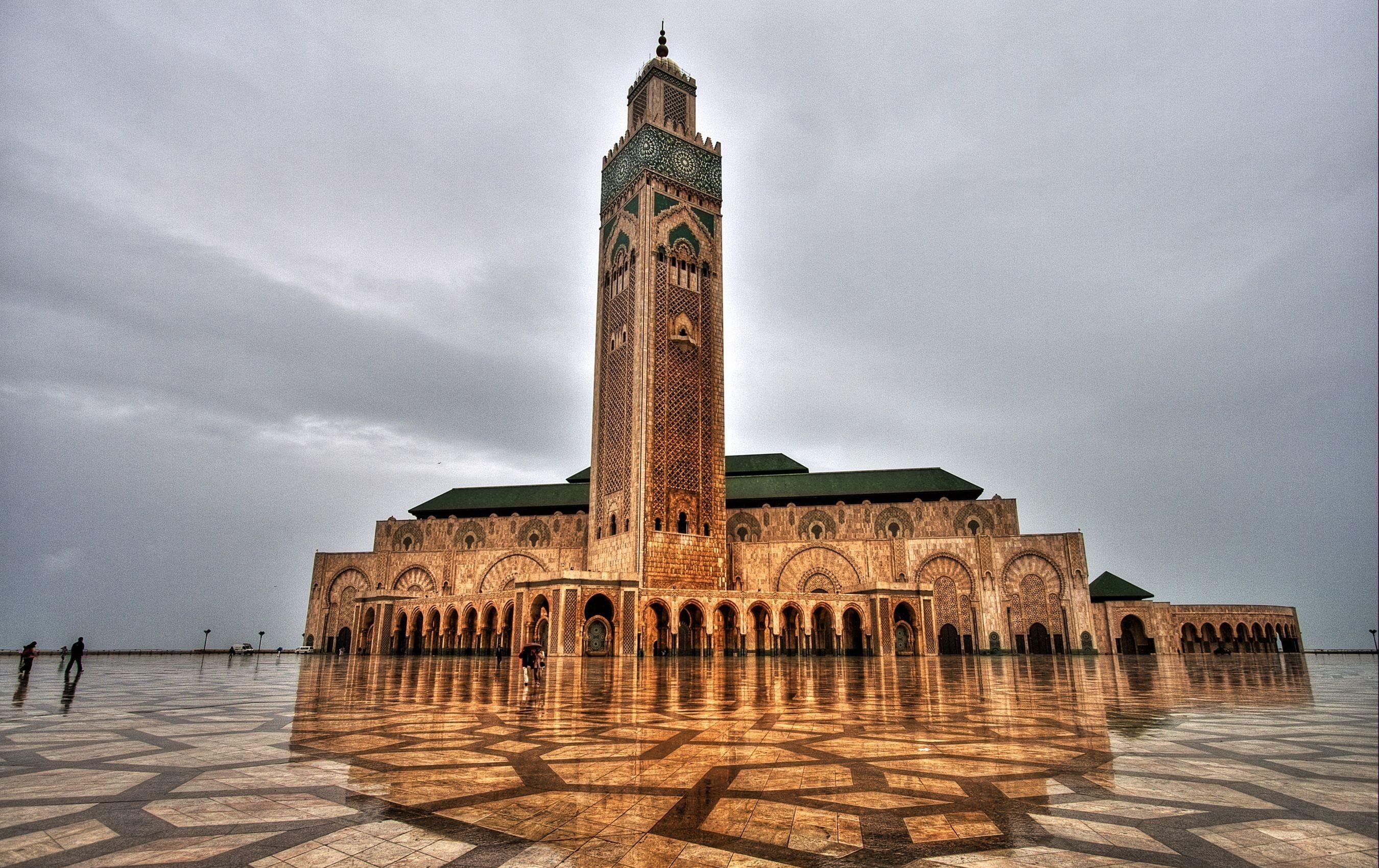
In a significant diplomatic and humanitarian gesture, King Mohammed VI of Morocco has granted a royal pardon to a group of Senegalese football supporters who had been serving prison sentences in the Kingdom. The move, which comes amidst the high-stakes atmosphere surrounding the 2025 Africa Cup of Nations (CAN 2025), has been widely viewed as a gesture of goodwill between the two nations, reinforcing the long-standing bilateral ties that define the relationship between Rabat and Dakar.
The royal pardon follows a series of legal proceedings involving Senegalese nationals who were detained during their presence in Morocco. According to reports from the Moroccan Ministry of Justice, the act of clemency allows for the immediate release of the individuals in question, effectively ending their incarceration. This legal intervention highlights the monarch’s constitutional prerogative to grant pardons, a mechanism frequently utilized in Morocco to mark national holidays or to respond to specific humanitarian appeals, as outlined in the Constitution of the Kingdom of Morocco.
Diplomatic Context and Regional Relations
The relationship between Morocco and Senegal is often cited as a model of South-South cooperation within the African continent. The decision to pardon the supporters, many of whom had traveled to follow the tournament, has been interpreted by political analysts as a strategic effort to maintain positive diplomatic momentum. The Moroccan Ministry of Foreign Affairs has consistently emphasized the importance of its “African depth” policy, which prioritizes strong, fraternal ties with West African nations, including Senegal.
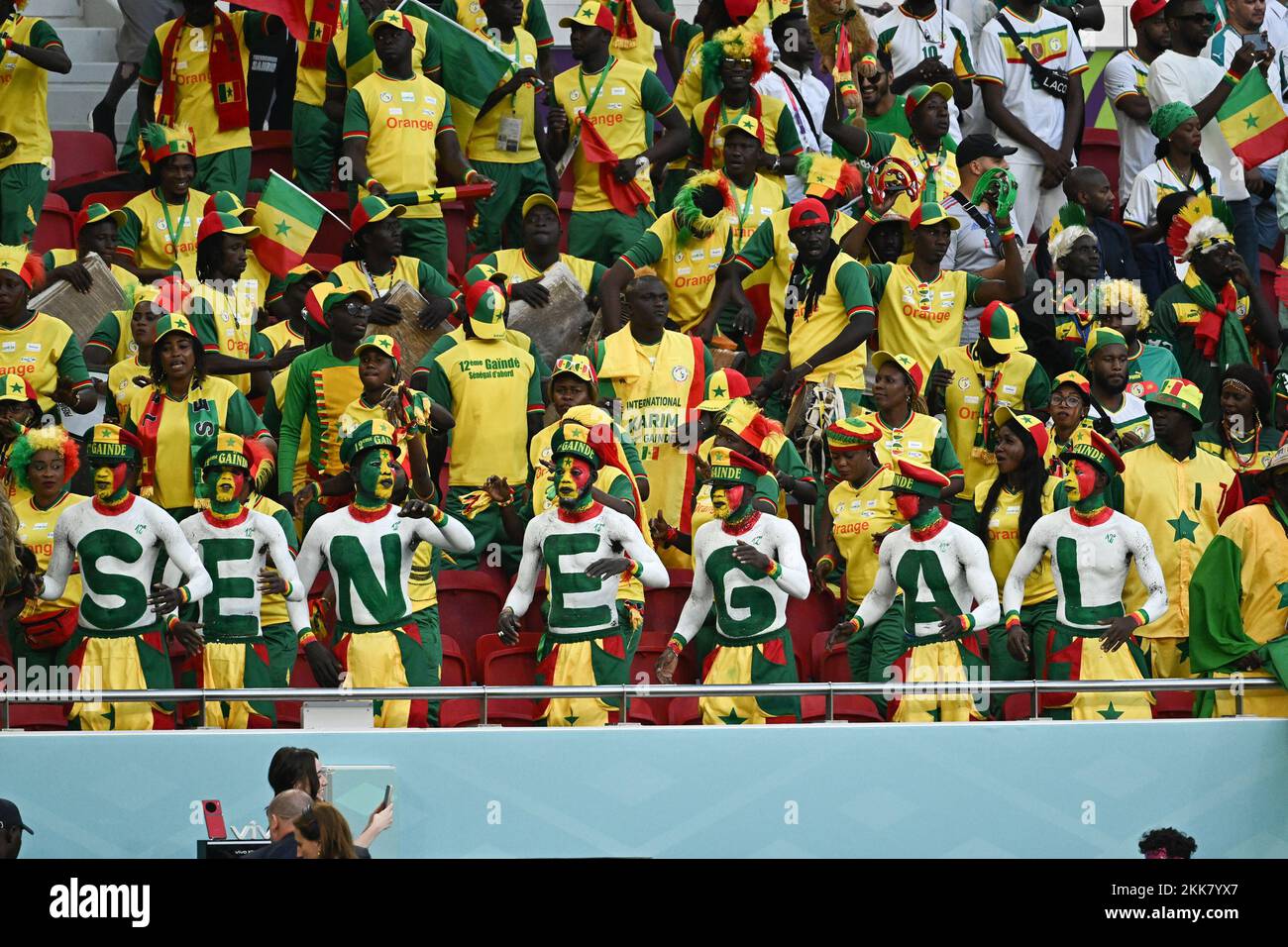
While sports tournaments often become flashpoints for nationalist fervor, the Moroccan authorities have sought to decouple the legal situation of the supporters from the broader sporting rivalry. The incident had previously sparked discussions on social media and within regional sports forums, particularly following comments from public figures regarding the competitive nature of the tournament. However, the royal intervention serves to neutralize potential friction, ensuring that the focus remains on the spirit of African sporting unity.
Legal Framework of the Royal Pardon
In the Moroccan legal system, the royal pardon is an exclusive right of the King, exercised under Article 58 of the Constitution. We see a process that operates independently of the judiciary’s initial sentencing phase. Legal experts note that such pardons do not necessarily imply an annulment of the original judicial verdict, but rather a remission of the remainder of the sentence, allowing for the immediate reintegration of the concerned individuals into society or, in this case, their repatriation.
The administrative process for this specific case involved coordination between the Moroccan judicial authorities and the Senegalese diplomatic mission in Rabat. The Consular services played a pivotal role in facilitating the documentation required for the detainees’ return to Dakar. This collaborative approach underscores the efficiency of the consular cooperation established between the two countries, ensuring that the legal status of the citizens was resolved in accordance with both Moroccan law and international diplomatic norms.
The Road Ahead for CAN 2025
As the Africa Cup of Nations progresses, the focus now shifts back to the pitch. The tournament continues to be a major logistical undertaking, with Morocco investing significantly in infrastructure and security to ensure a seamless experience for fans and teams alike. The government has emphasized its commitment to a “fan-first” approach, aiming to balance stringent security measures with the welcoming atmosphere expected of a host nation.
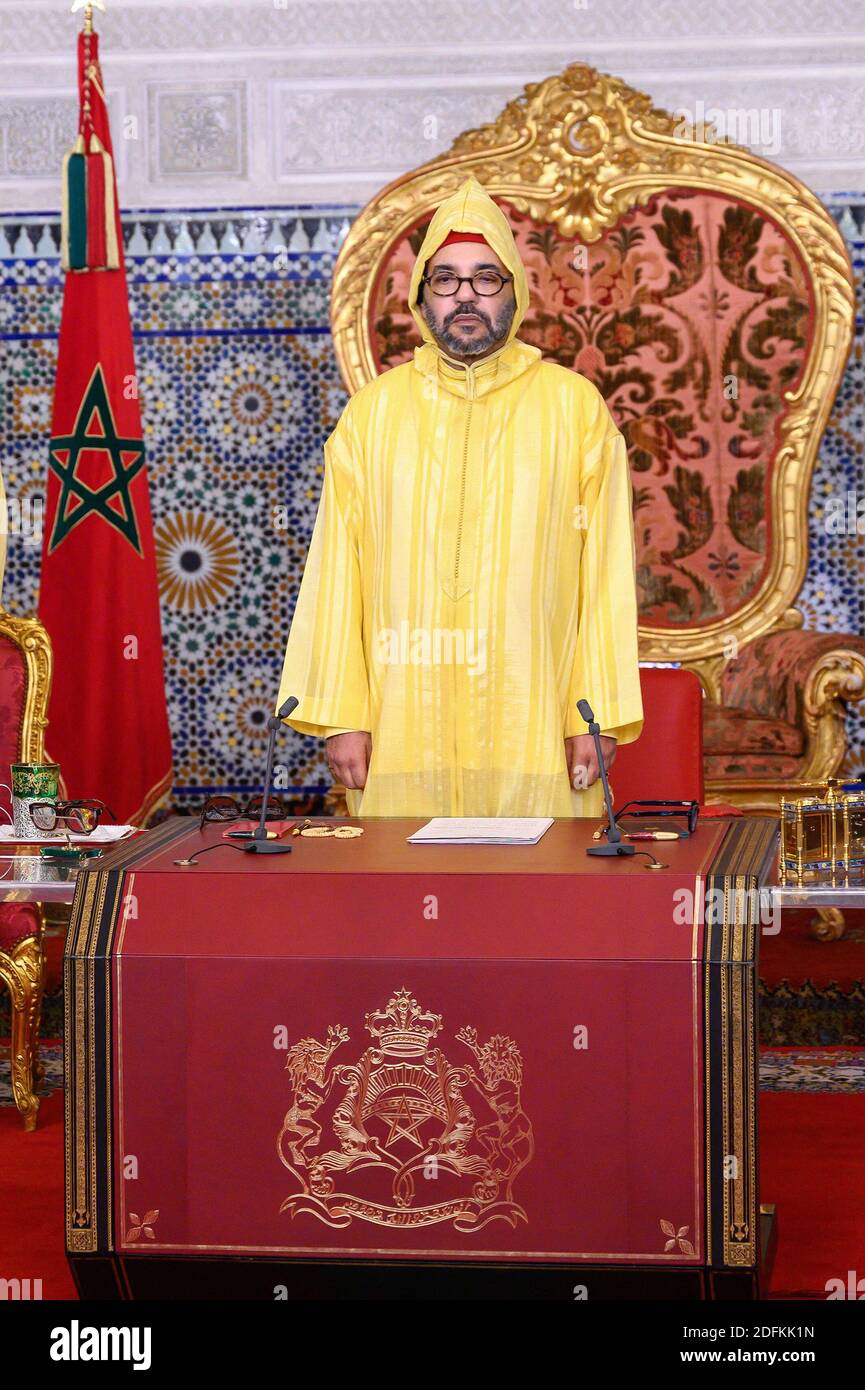
For the supporters involved, the pardon marks the end of a hard period and a return to their home country. While individual legal cases often remain private, the public nature of the royal gesture serves as a clear signal of the importance Rabat places on its relationship with Dakar. Moving forward, both nations are expected to continue their cooperation through the Confederation of African Football (CAF) frameworks to ensure the remainder of the competition proceeds with mutual respect and sporting integrity.
Further updates regarding the tournament’s logistics and official statements from the CAF can be found via the organization’s official portal. As we continue to monitor the developments surrounding this event, we invite our readers to share their perspectives on the role of sports diplomacy in strengthening regional unity. Please join the conversation in the comments section below.