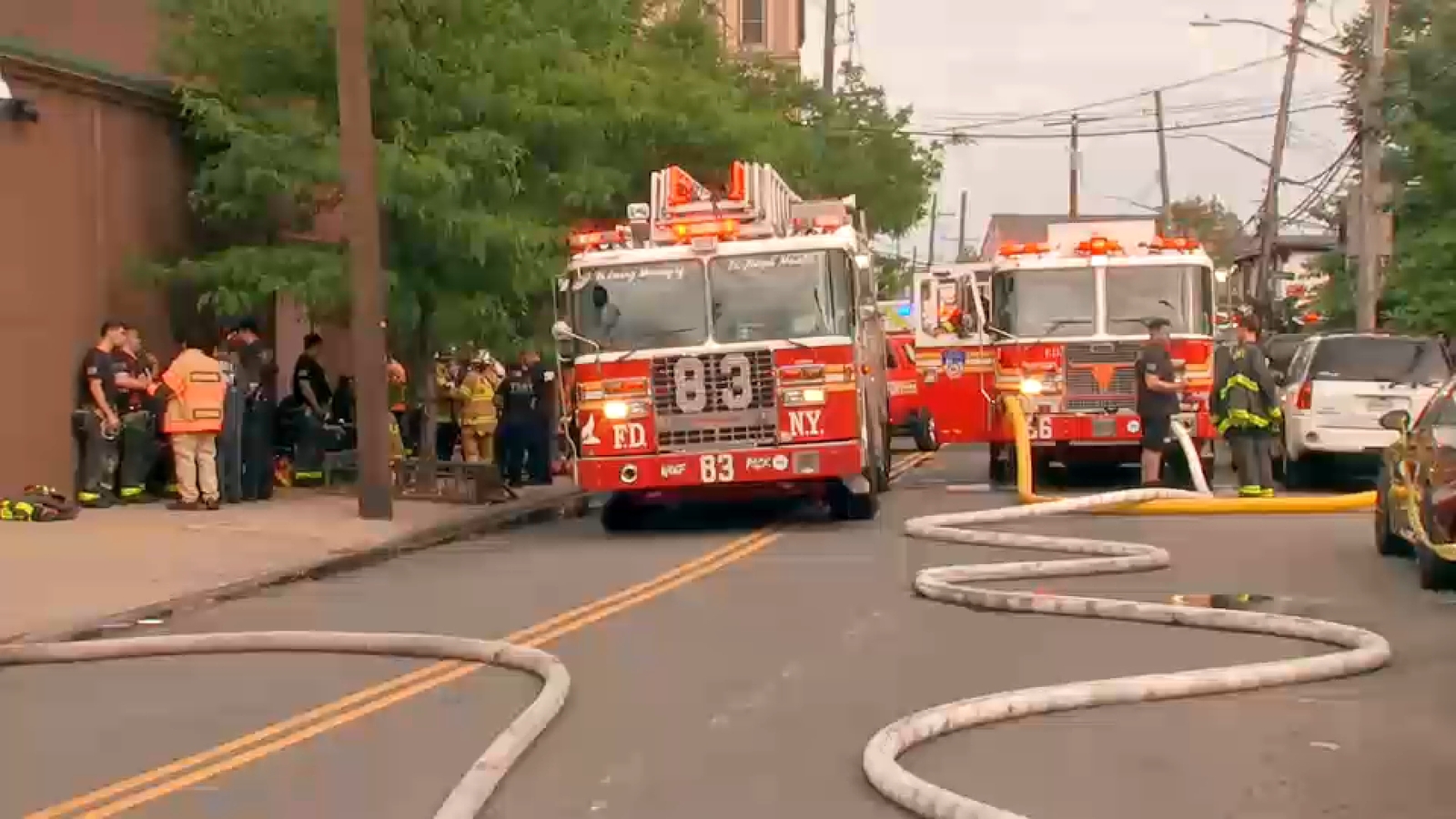
A tragic industrial incident has left one person dead and dozens injured following an explosion at a New York City shipyard on Staten Island. The blast, which triggered a significant emergency response, occurred on a barge, prompting a large-scale mobilization of the Fire Department of New York (FDNY) to the scene. The incident has drawn attention to the inherent risks associated with maritime industrial operations in one of the city’s most prominent boroughs.
Authorities confirmed that the explosion resulted in at least one fatality and left 36 people injured, many of whom were firefighters responding to the initial reports of fire. The scale of the response highlights the challenges faced by emergency personnel when navigating industrial hazards in maritime environments. According to NBC News, officials are continuing to investigate the circumstances surrounding the blast, which occurred as fire crews were working to contain the fire on the vessel.
Emergency Response and Casualty Report
The situation began with reports of a fire on a barge, which subsequently escalated into an explosion. The FDNY dispatched numerous units to the site, as the nature of the vessel and the hazardous materials potentially present required specialized firefighting techniques. The high number of injuries among first responders underscores the volatility of the situation, as the blast occurred while crews were actively engaged in suppression efforts.
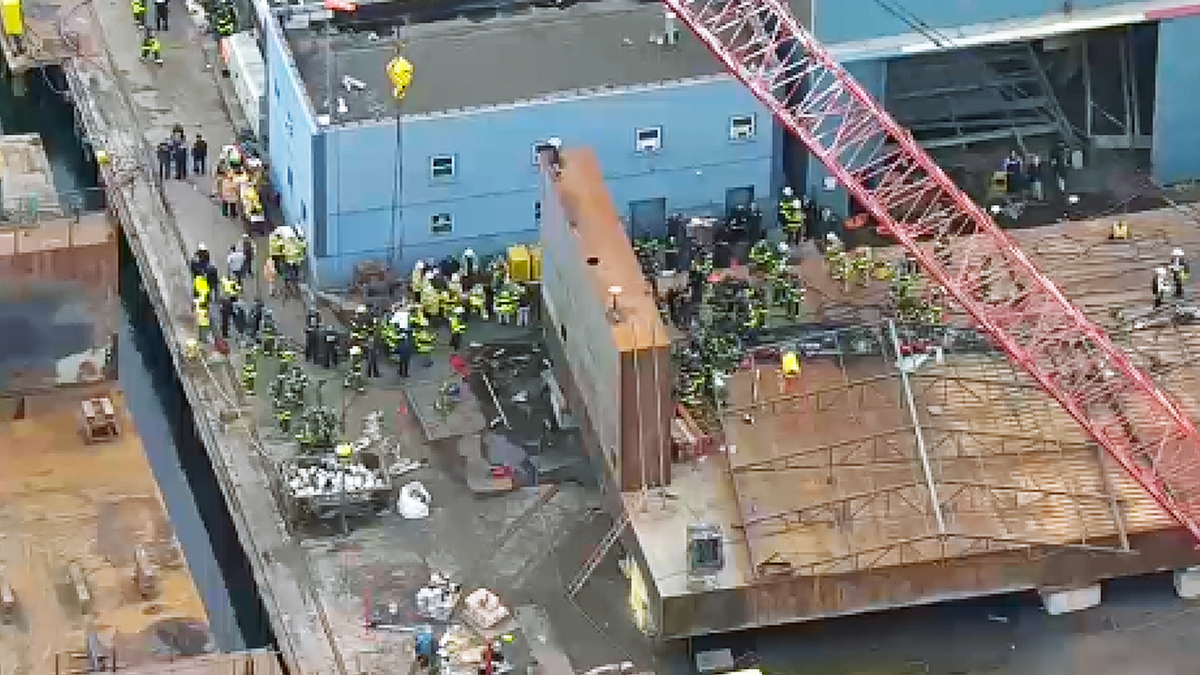
Medical teams were deployed to transport the injured to area hospitals. While details regarding the specific nature of the injuries remain limited, the incident has been classified as a major industrial accident. The BBC reported that the explosion occurred on a barge docked at the shipyard, an area that serves as a critical hub for maritime maintenance and repair in the region.
Understanding the Industrial Landscape
Staten Island, often referred to as the “forgotten borough,” plays a vital role in New York City’s maritime and industrial infrastructure. Shipyards and barge operations located along its waterfronts are essential for the maintenance of vessels that transit the New York Harbor. These facilities are subject to stringent safety regulations overseen by both local and federal agencies, including the Occupational Safety and Health Administration (OSHA), which investigates workplace fatalities and major industrial accidents to determine compliance with safety standards.
The incident serves as a stark reminder of the complexities involved in maintaining safety in industrial zones. Investigations into such events typically focus on the presence of flammable materials, the structural integrity of the vessels involved, and adherence to established fire safety protocols. As the investigation into this specific shipyard explosion continues, industry experts and officials will likely review safety procedures to prevent similar occurrences in the future.
What Happens Next
The immediate priority for authorities remains the completion of the scene investigation and the support of those affected by the tragedy. Officials have indicated that a thorough inquiry will be conducted to identify the ignition source of the explosion and to evaluate whether any safety violations contributed to the severity of the event. Information regarding the identity of the deceased will be released by the medical examiner’s office once proper notification of next of kin has been completed.
For residents and those interested in the ongoing investigation, official updates will be provided through the Mayor’s Office and the FDNY press channels. These updates remain the primary source for verified information regarding the cause of the blast and any subsequent regulatory actions taken against the facility. As this story develops, further details regarding the recovery operations and the official findings of the investigation will be made public.
This is a developing story. We encourage our readers to share their thoughts and stay informed through verified official updates. Please join the conversation in the comments section below.
Keep reading