
Morocco’s national electricity grid is facing unprecedented pressure as extreme summer temperatures drive a surge in domestic energy demand, raising the prospect of a new peak consumption record. According to data from the Office National de l’Électricité et de l’Eau Potable (ONEE), the kingdom’s power infrastructure is currently operating under the strain of a prolonged heatwave that has pushed air conditioning usage and industrial cooling requirements to seasonal highs.
The spike in electricity consumption follows a broader trend of rising energy needs across the Maghreb region, driven by climate-related temperature increases and rapid urbanization. While the state-run utility maintains that the national supply remains stable, energy experts highlight that balancing the load during peak evening hours—when solar production wanes and residential demand for cooling peaks—remains the primary challenge for the Moroccan grid.
Drivers of Peak Electricity Demand
The primary factor behind the current surge in energy consumption is the sustained heatwave affecting the North African region. Meteorological data from the Direction Générale de la Météorologie confirms that temperatures in several provinces have consistently exceeded seasonal averages, forcing households and businesses to rely heavily on electrical cooling systems. This shift in usage patterns is not merely a quantitative increase in kilowatt-hours but a structural change in the daily load profile.
Industrial demand, particularly in the agricultural and manufacturing sectors, also contributes significantly to the load. During peak summer months, refrigeration and water pumping operations for irrigation systems operate at maximum capacity, often coinciding with the early evening surge in residential lighting and climate control. The Ministry of Energy Transition and Sustainable Development has previously emphasized that the integration of intermittent renewable sources, such as solar and wind, requires sophisticated grid management to match these volatile demand cycles.
Grid Infrastructure and Renewable Integration
Morocco has made significant strides in diversifying its energy mix, moving toward a target of over 52% of installed electrical capacity from renewable sources by 2030, as mandated by national energy policy. However, the current summer heat poses a test for the grid’s resilience. The reliance on large-scale solar power plants, such as the Noor Ouarzazate complex, provides a substantial buffer during daylight hours, but grid operators must manage the transition to thermal and pumped-storage hydroelectric power as sunlight diminishes.
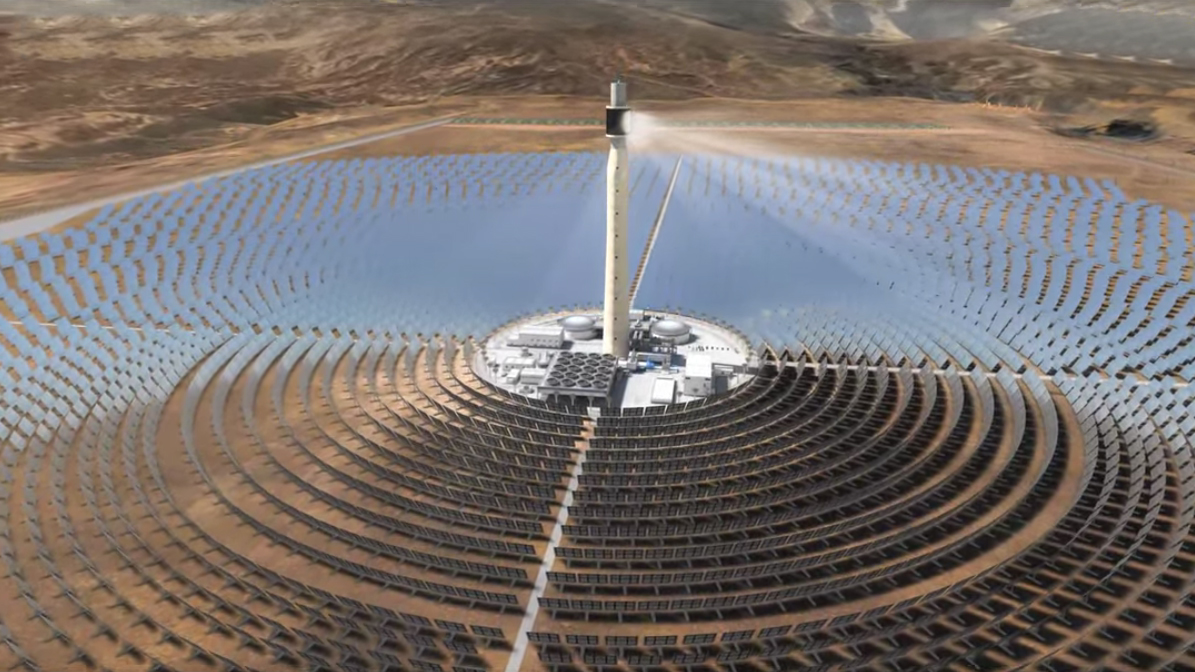
According to the International Renewable Energy Agency (IRENA), Morocco’s strategic investment in high-voltage transmission lines and regional interconnections with Spain has improved the country’s ability to import or export power to balance local deficits. Despite these safeguards, the sheer volume of consumption during extreme heat events requires precise coordination between the national grid operator and independent power producers to prevent localized outages.
Strategies for Managing Energy Consumption
To mitigate the risk of grid failure during peak periods, the Moroccan government and utility providers have focused on both supply-side management and demand-side efficiency. Public awareness campaigns often urge consumers to limit the use of high-energy appliances during the peak window of 7:00 PM to 10:00 PM. These efforts are designed to smooth out the “peak load” that threatens to exceed the capacity of aging transformers in high-density urban areas.
The long-term strategy, as outlined in the ONEE strategic development plan, involves increasing battery storage capacity to capture excess solar energy generated during the day for use during the evening peak. Such investments are viewed as essential for maintaining energy security as Morocco continues to experience more frequent and intense heatwaves. For residents, the utility provides regular updates on grid status and energy-saving guidelines through its official portal and regional service centers.
What Happens Next
As the summer season progresses, the focus shifts toward the next round of performance reporting from the Ministry of Energy Transition. Officials are expected to release comprehensive figures regarding the total megawatt-hour consumption for the current quarter later this year. These reports will serve as a benchmark for future infrastructure upgrades and policy adjustments regarding the national energy transition.

Readers are encouraged to monitor official communications from the ONEE website for real-time updates regarding grid stability and any potential advisories regarding energy conservation. As the kingdom works to reconcile its economic growth with environmental sustainability, the balance between power supply and peak demand remains a critical indicator of national infrastructure health. We invite readers to share their thoughts and experiences regarding regional power stability in the comments section below.
Related reading