
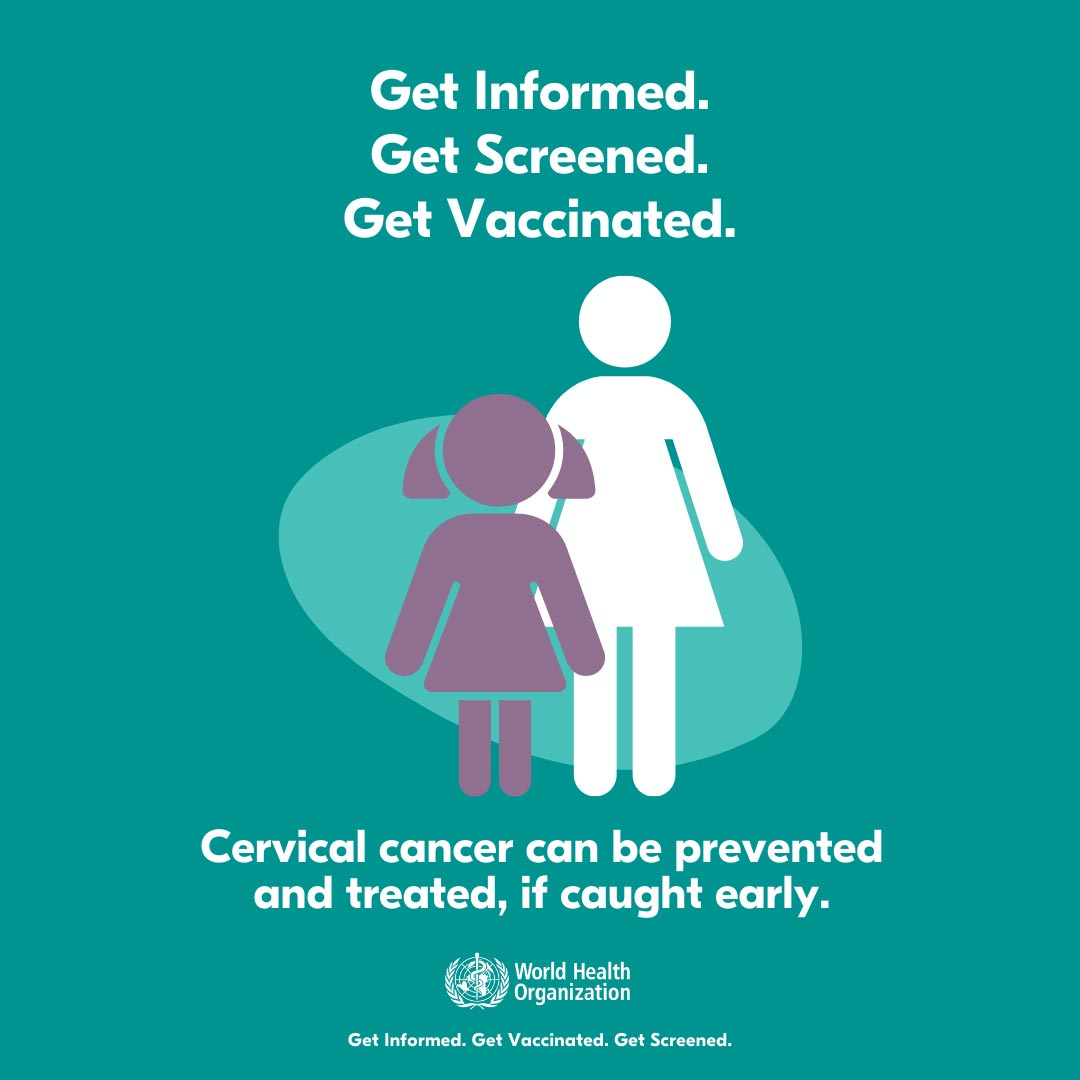
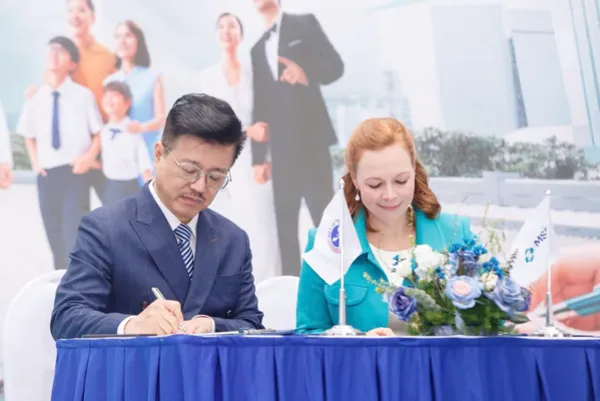
Vietnamese actress and public health advocate Ho Ngoc Ha has warned families not to underestimate the risks of human papillomavirus (HPV), emphasizing that vaccination must become a routine part of family health responsibility. Speaking during a recent campaign by pharmaceutical company MSD Vietnam, Ha highlighted how cervical cancer—linked to persistent HPV infections—remains a leading cause of death among Vietnamese women, with prevention efforts often overlooked.
According to the World Health Organization (WHO), HPV is responsible for nearly all cervical cancer cases worldwide. In Vietnam, where screening rates remain low and vaccination coverage varies by region, health experts describe the disease as a “silent epidemic.” Ho Ngoc Ha’s public stance comes as MSD Vietnam launches a new awareness initiative, framing HPV vaccination as an essential component of family care—akin to immunizations for measles or polio.
“We cannot afford to be complacent about HPV,” Ha told reporters during a campaign event in Hanoi. “This is not just a women’s issue—it’s a family responsibility. The vaccine is safe, effective, and can prevent cancer before it starts.” Her remarks align with global health targets, including the WHO’s goal to eliminate cervical cancer by 2030 through vaccination and early detection programs.
Why HPV Vaccination Remains Critical in Vietnam
Despite the availability of HPV vaccines since 2012, uptake in Vietnam has lagged behind neighboring countries like Thailand and South Korea. According to a 2023 study published in The Lancet Regional Health, only 30% of Vietnamese girls aged 9–14 had received the full HPV vaccination series, compared to over 70% in South Korea. Cultural stigma around sexuality, misinformation, and limited access in rural areas contribute to the gap.
Key Statistics on HPV in Vietnam:
- Cervical cancer is the second-leading cause of cancer death among Vietnamese women (IARC Global Cancer Observatory).
- HPV infections account for 99.7% of cervical cancer cases (WHO).
- Vietnam’s national HPV vaccination program, launched in 2012, initially targeted 9–13-year-old girls in pilot provinces (Ministry of Health).
- As of 2024, the vaccine is recommended for both girls and boys aged 9–26, though rollout has been gradual (MSD Vietnam).
Ho Ngoc Ha’s advocacy underscores the need for broader education. “Many parents still believe the vaccine is unnecessary or that their children aren’t at risk,” she said. “But HPV spreads through skin-to-skin contact—it’s not just about sexual activity. Protecting our children early is the most effective way to prevent future suffering.”
MSD Vietnam’s Campaign: Making Prevention a Family Conversation
MSD Vietnam’s latest initiative, titled “HPV Prevention: A Family Responsibility,” aims to destigmatize vaccination by positioning it as a shared duty between parents and children. The campaign includes:
- Public service announcements featuring Ho Ngoc Ha and other Vietnamese celebrities, emphasizing the vaccine’s safety and efficacy.
- Community outreach in high-risk provinces like Quang Ninh and Bac Giang, where cervical cancer mortality rates are highest.
- Partnerships with schools to integrate HPV education into health curricula, targeting both students and parents.
- Digital tools, including a mobile app to track vaccination schedules and debunk myths (MSD Vietnam website).
Dr. Nguyen Thi Kim Tien, a gynecological oncologist at Hanoi Medical University, supported the campaign’s approach. “We’ve seen cases where women develop cervical cancer in their 30s and 40s because they weren’t vaccinated as children,” she told World Today Journal. “The vaccine works best when given before exposure to HPV, ideally between ages 9 and 14. Delaying it increases the risk of infection.”
Cultural and Logistical Barriers to HPV Vaccination
While Ho Ngoc Ha’s advocacy has amplified awareness, experts cite persistent challenges:
- Misinformation: Social media rumors linking the HPV vaccine to infertility or autism persist, despite debunking by the WHO and CDC. A 2022 survey by Vietnam’s National Institute of Hygiene and Epidemiology found 42% of parents believed these myths.
- Access disparities: Rural provinces lack cold-chain storage for vaccines, forcing families to travel long distances for doses. MSD Vietnam reports that 60% of vaccination sites in remote areas operate with limited staff training.
- Gender norms: Some families prioritize vaccinating sons over daughters due to traditional beliefs about “protecting girls’ purity,” according to anthropological studies cited in Health Policy and Planning.
To address these issues, MSD Vietnam is collaborating with local NGOs to train community health workers in rural areas. “We’re not just selling a vaccine—we’re changing mindsets,” said a company spokesperson. “Ho Ngoc Ha’s involvement helps normalize these conversations in Vietnamese households.”
What Happens Next: Policy and Public Health Goals
Vietnam’s Ministry of Health has set ambitious targets to increase HPV vaccination rates to 80% coverage by 2027, aligning with the WHO’s global elimination strategy. Key steps include:

- Expanding school-based vaccination: The ministry plans to roll out the HPV vaccine in all 63 provinces by 2025, with funding support from Gavi, the Vaccine Alliance (Gavi website).
- Mandatory counseling: New guidelines require healthcare providers to offer HPV education during well-child visits, starting at age 9.
- Digital tracking: A national immunization registry, launched in pilot provinces in 2024, will monitor vaccination status and identify gaps.
Ho Ngoc Ha has committed to ongoing advocacy, including appearances at national health forums and social media campaigns. “This is a marathon, not a sprint,” she said. “We need every parent, every teacher, and every community leader to be part of the solution.”
Ho Ngoc Ha: “I’ve seen too many families devastated by cervical cancer. The vaccine is our best defense—and it’s a choice no parent should have to regret.”
Where to Find HPV Vaccination Information in Vietnam
Families seeking vaccination or education can access resources through:
- Ministry of Health Vietnam – Official vaccination schedules and provincial health centers.
- MSD Vietnam – Campaign materials, myth-busting guides, and vaccine availability.
- WHO Vietnam – Cervical cancer prevention toolkits and screening guidelines.
- Gavi, the Vaccine Alliance – Funding and program updates for low-income families.
What’s Next: The Ministry of Health will announce the 2025 vaccination expansion plan in Q1 2025, with pilot programs launching in Quang Ninh and Bac Giang by March. Ho Ngoc Ha will participate in a national HPV awareness tour in April.
Share your experiences or questions in the comments below—or tag @WorldTodayJrnl to join the conversation.