The UK government has moved to reshape how tech giants operate online with the introduction of the Online Safety Bill, a landmark piece of legislation designed to give regulators unprecedented powers to enforce stricter child protection measures on social media platforms. The bill, which passed its second reading in the House of Lords in June 2023, mandates that companies like Meta (Facebook, Instagram), TikTok, and Google must implement age verification systems, algorithm transparency, and real-time content moderation to prevent children from accessing harmful material. According to the UK’s Digital, Culture, Media and Sport (DCMS) department, the legislation represents the “most significant reform of online safety in a generation.”
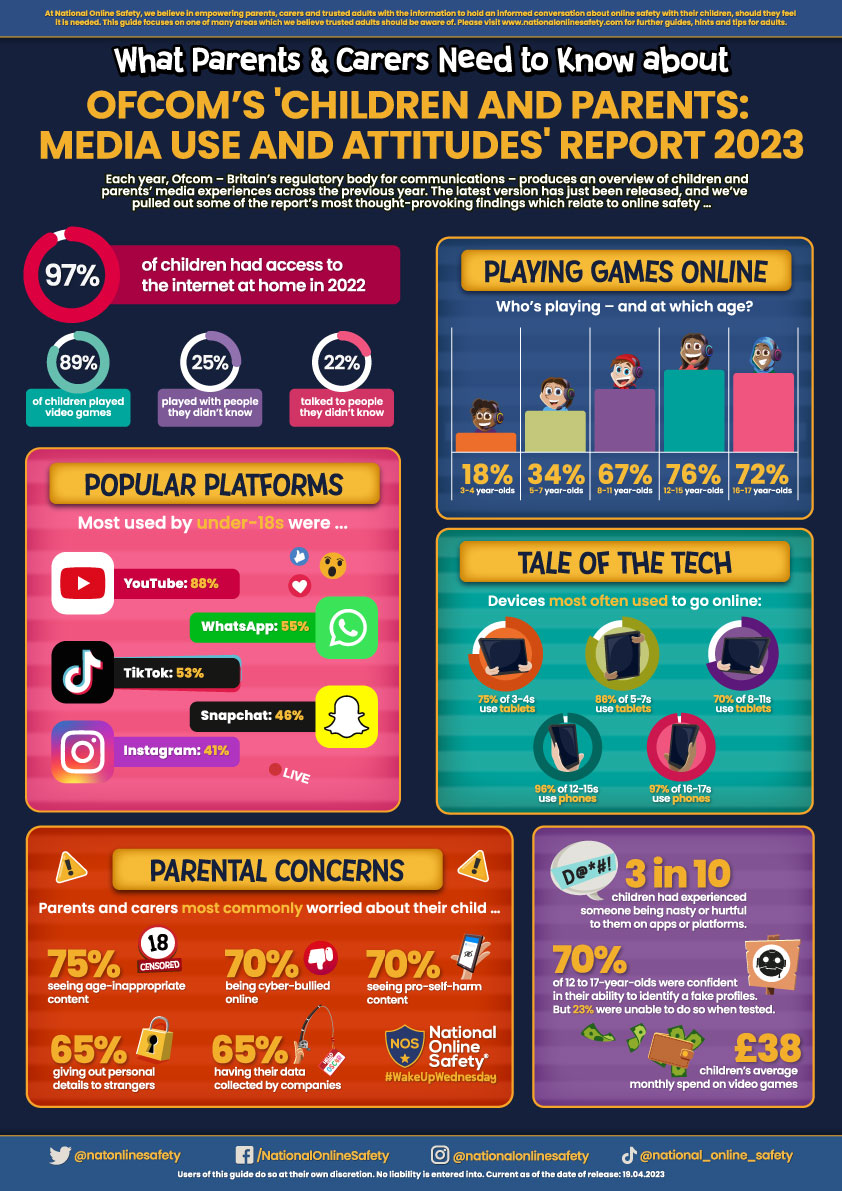
At its core, the bill seeks to address what officials describe as a “digital childhood crisis,” where children as young as 11 are exposed to cyberbullying, self-harm content, and grooming on mainstream platforms. A 2023 report by Ofcom, the UK communications regulator, found that 45% of children aged 12-15 had encountered harmful content online, while 37% reported being contacted by strangers. The new rules aim to hold platforms legally accountable for failing to protect minors, with fines of up to £18 million ($23 million) or 10% of global revenue—whichever is greater—for non-compliance. The bill also introduces a duty of care requiring platforms to proactively design their services to minimize risks to children.
Critics, including tech industry groups, argue the legislation could stifle innovation and impose disproportionate burdens on smaller platforms. The Internet Association, which represents companies like Meta and Google, has warned that age verification could lead to “friction” for legitimate users and may not be foolproof. Meanwhile, child safety advocates, such as Childnet International, have praised the bill as a “long-overdue step” toward holding tech companies accountable. The legislation now faces further scrutiny in committee before a final vote in Parliament, with implementation expected as early as 2025.
What the Online Safety Bill Requires of Tech Companies
The bill outlines three key obligations for platforms:
- Age verification: Companies must verify the age of users under 18, with exemptions for platforms that cannot practically implement such systems (e.g., some messaging apps). The DCMS has stated that platforms will have 12 months to develop and deploy compliant systems following royal assent.
- Algorithm transparency: Platforms must disclose how their recommendation algorithms work, including the factors that influence content visibility. This follows growing concerns over algorithms amplifying harmful content to children.
- Real-time content moderation: Companies must remove illegal content, such as child sexual abuse material, within 24 hours of being flagged. Failure to comply could result in criminal charges for company executives.
Unlike previous attempts at regulation, the bill grants Ofcom the power to issue binding codes of practice and impose fines without needing to return to Parliament. This marks a shift from the UK’s previous self-regulatory model, where platforms voluntarily adhered to guidelines set by industry groups like the Age Appropriate Design Code, which has been criticized as lacking teeth.
How the UK’s Approach Differs from the EU’s Digital Services Act
The Online Safety Bill shares some goals with the EU’s Digital Services Act (DSA), which also targets harmful content and algorithmic transparency. However, the UK’s legislation is more focused on child protection and includes stricter enforcement mechanisms. While the DSA requires platforms to assess risks to minors, it does not mandate age verification or real-time removal of illegal content. The UK’s approach also contrasts with the U.S., where federal legislation like the Kids Online Safety Act (KOSA) has stalled in Congress, leaving child safety largely unregulated at the federal level.
A key difference is the UK’s proactive duty of care requirement, which obliges platforms to design their services with child safety in mind from the outset. The DSA, by contrast, relies on a risk-based approach, where platforms must only address risks that are “likely to cause significant harm.” The UK’s model has drawn praise from child safety organizations but concerns from tech companies, who argue it sets an unrealistic standard for global platforms operating across jurisdictions.
What Happens Next: Timeline and Implementation
The Online Safety Bill is currently undergoing line-by-line scrutiny in the House of Lords, with key debates expected to focus on:
- The feasibility of age verification, particularly for platforms with global user bases.
- The balance between free expression and child protection, especially for content that may be legal but harmful (e.g., pro-anorexia forums).
- The resources required for smaller platforms to comply with the new rules.
If the bill passes its remaining stages, the UK government has stated that Ofcom will begin issuing binding codes of practice within 12 months of implementation. Platforms will then have 18 months to comply, with fines for non-compliance starting in 2026. The first phase of enforcement will target the largest platforms, including:
- Meta (Facebook, Instagram, WhatsApp)
- TikTok
- YouTube (Google)
- Snapchat
- Twitter (X)
The legislation also establishes a new criminal offense for tech executives who knowingly fail to comply with child safety requirements. This provision has drawn comparisons to the UK’s Corporate Manslaughter Act, which holds company directors liable for workplace deaths.
How This Affects Parents, Children, and Platform Users
For parents, the bill could lead to safer online experiences for children, with platforms required to:
- Offer default privacy settings that limit data collection for minors.
- Provide easy-to-use tools for parents to monitor their children’s activity.
- Ensure that advertising targeting children is restricted.
However, critics warn that age verification could create new barriers for children who may struggle to navigate the process, particularly in households without adult supervision. The UK government has committed to funding digital literacy programs to help children and parents understand the new protections.
For tech companies, the bill introduces significant operational challenges, including:
- The need to develop scalable age verification systems that work across devices and regions.
- Increased costs for content moderation teams and AI tools to detect harmful content in real time.
- Potential conflicts with free speech principles, particularly for platforms that host user-generated content.
Meta, for example, has already begun testing AI-powered age verification in some markets, though the company has not yet committed to a specific timeline for UK compliance. TikTok, which has faced repeated scrutiny over its child safety failures, has pledged to work with regulators but has not detailed how it plans to implement the new rules.
What Other Countries Are Doing—and What the UK’s Move Means Globally
The UK’s Online Safety Bill is part of a broader global push to regulate tech platforms, with several countries introducing similar legislation:
- European Union: The DSA, which took effect in February 2024, requires platforms to assess risks to minors but does not mandate age verification.
- Australia: The Online Safety Act gives regulators the power to issue fines for harmful content but lacks the UK’s proactive duty of care.
- Canada: Bill C-11, passed in 2023, requires platforms to implement default privacy settings for children but does not include age verification.
- United States: While federal legislation like KOSA has stalled, states like California and Texas have introduced their own child safety laws.
The UK’s approach is notable for its enforcement powers and focus on proactive design. If successful, it could serve as a model for other countries grappling with how to regulate tech without stifling innovation. However, the bill’s global applicability remains unclear, as platforms may struggle to implement inconsistent rules across jurisdictions.
Key Takeaways
- The UK’s Online Safety Bill introduces mandatory age verification, algorithm transparency, and real-time content moderation for platforms with UK users.
- Fines for non-compliance can reach up to £18 million ($23 million) or 10% of global revenue.
- The legislation grants Ofcom binding enforcement powers, marking a shift from voluntary self-regulation.
- Implementation is expected in 2025, with full enforcement beginning in 2026.
- Critics argue the bill could disproportionately burden smaller platforms and may not be foolproof in preventing child exploitation.
The next major checkpoint is the House of Lords committee stage, where amendments to the bill are expected. The UK government has indicated that it will publish a response to committee recommendations by October 2024. If you’re a parent, child safety advocate, or tech professional, this legislation could significantly impact how you interact with online platforms. We encourage you to share your thoughts in the comments below or on our social media channels.
Related reading
- OpenAI Admits Upcoming ‘Astra’ AI Model May Possess Critical Cyber Capabilities
- Xiaomi Redmi 17 Series Launched: Massive 7500mAh Battery & Pro Specs
- Assisted Reproduction: Legal and Ethical Challenges in Modern Law (archynewsy.com)
- Albuquerque Public Schools Students Return to Class with New Goals for Safety and Academics (news-usa.today)