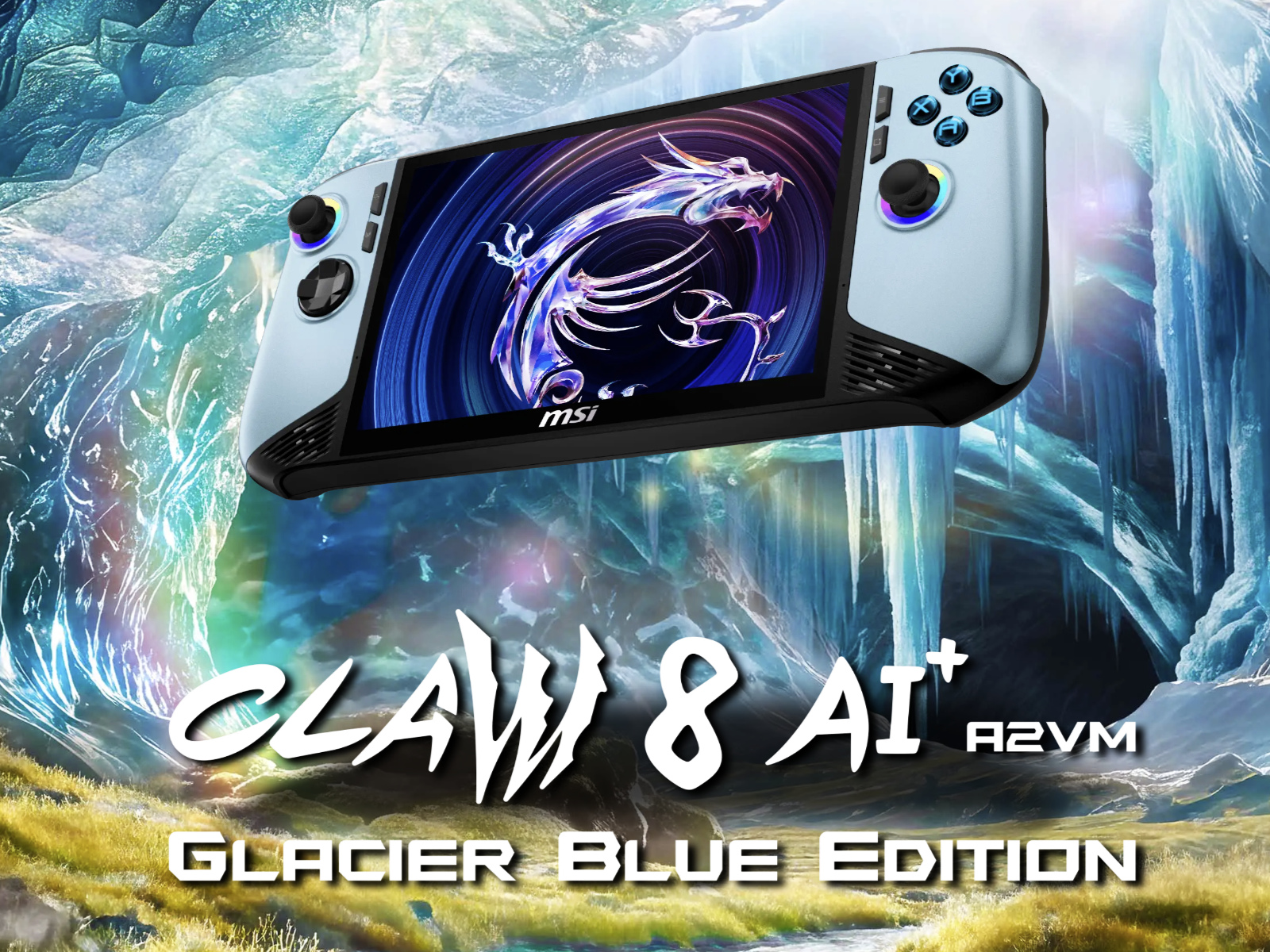
MSI is preparing to push the boundaries of the premium handheld gaming market with the upcoming MSI Claw 8 EX AI+. While the company has yet to hold a formal global launch event, the device has already surfaced on retail listings, revealing a price point that positions it as one of the most expensive portable gaming PCs to date.
The leaked listings, particularly in European markets, suggest a retail price of €1,599 reported by VideoCardz. This pricing strategy signals a move away from the mid-range competition and toward a “luxury” enthusiast tier, betting that gamers will pay a significant premium for the next generation of Intel silicon.
For those of us who have tracked the evolution of the “handheld PC” from the early Steam Deck to the ROG Ally, this jump in price is jarring. However, the hardware under the hood—specifically the transition to Intel’s Panther Lake architecture—suggests MSI is aiming for a performance leap that could fundamentally change how we play AAA titles on the go.
The Power of Panther Lake and Arc G3 Extreme
The centerpiece of the MSI Claw 8 EX AI+ is the integration of Intel’s Panther Lake chip, featuring the Arc G3 Extreme graphics. This is not a mere incremental update. it represents a shift in how Intel handles power efficiency and graphical throughput in a constrained thermal envelope. The “AI+” branding indicates a heavy reliance on an integrated Neural Processing Unit (NPU), designed to handle AI-driven tasks like advanced upscaling and power management without taxing the primary CPU cores.
The Arc G3 Extreme GPU is the most anticipated component of this build. Industry analysis suggests that this hardware may finally bridge the gap between portable devices and entry-level gaming laptops. Specifically, the architecture is being positioned as potentially capable of running modern AAA games at 60 FPS according to Notebookcheck, a milestone that has remained elusive for most handhelds without significant resolution drops or aggressive FSR/DLSS settings.
From a software perspective, the inclusion of AI-enhanced features likely means better integration of Intel’s XeSS (Xe Super Sampling) technology. By leveraging the NPU, the device can theoretically maintain higher frame rates while keeping the device cooler and extending battery life—the perennial Achilles’ heel of Windows-based handhelds.
Market Positioning: A High-Stakes Gamble
At €1,599, the MSI Claw 8 EX AI+ is entering a crowded field. It isn’t just competing with the Steam Deck OLED or the ASUS ROG Ally X; it is competing with the idea of a dedicated gaming laptop. To justify this cost, MSI is relying on the “premium” nature of the Panther Lake silicon and the ergonomics of the “8” series chassis.
The handheld gaming market has largely settled into two camps: the value-driven ecosystem of Valve and the high-performance Windows ecosystem of ASUS and Lenovo. By pricing the Claw 8 EX AI+ so aggressively, MSI is attempting to create a third camp: the “Ultra-Premium” tier. This approach assumes there is a segment of the market that prioritizes raw power and AI capabilities over price sensitivity.
Whether this gamble pays off depends on the real-world benchmarks. If the Arc G3 Extreme truly delivers a stable 60 FPS experience in demanding titles, the price may be seen as a fair trade for the most powerful portable gaming experience available. If the performance gains are marginal, the device risks becoming a niche curiosity rather than a market leader.
Key Hardware Implications
| Feature | Technical Shift | Expected User Benefit |
|---|---|---|
| Panther Lake CPU | Next-gen Intel architecture | Improved efficiency and faster processing |
| Arc G3 Extreme | Advanced integrated graphics | Potential for AAA gaming at 60 FPS |
| AI+ (NPU) | Dedicated AI hardware | Better upscaling and battery optimization |
| €1,599 Price Point | Premium market tiering | Positioned as a luxury enthusiast device |
What This Means for the Handheld Landscape
The emergence of the MSI Claw 8 EX AI+ highlights a broader trend in consumer electronics: the “AI-ification” of everything. By branding this as an AI+ device, MSI and Intel are moving beyond simple clock speeds. They are marketing the device’s ability to “think” about how it allocates power and renders pixels in real-time.
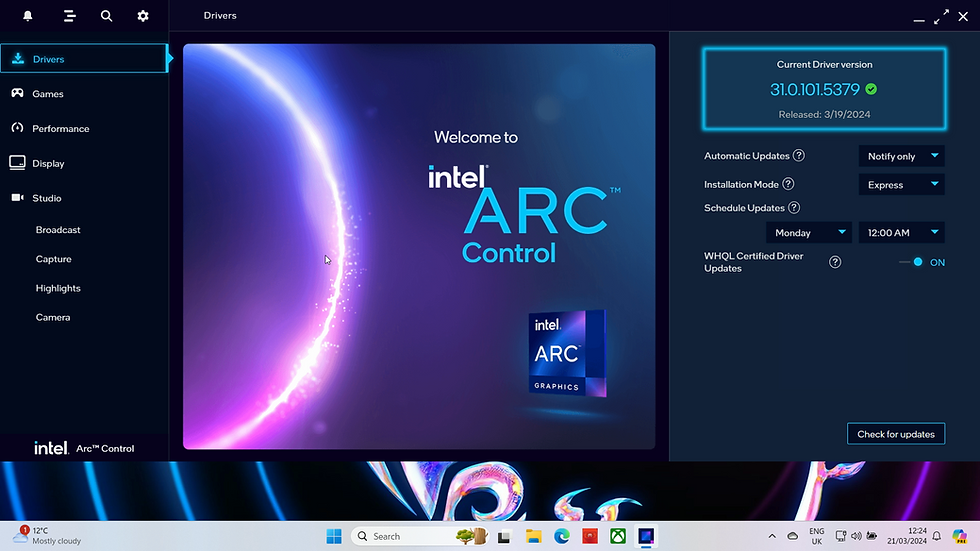
this launch puts immense pressure on AMD, which currently dominates the handheld space via the Z1 Extreme chip. For years, AMD has been the default choice for handheld OEMs. If Intel’s Panther Lake can deliver a tangible performance advantage, we may see a shift in the hardware choices of other manufacturers in the coming 18 to 24 months.
For the consumer, the immediate impact is a widening gap in the market. We are seeing a divergence between “entry-level” handhelds and “powerhouse” machines. This is a healthy evolution for the industry, provided that the high-end devices actually deliver the performance they promise.
Next Steps and Availability
While the €1,599 listing provides a strong hint at the device’s cost, this is not yet an official global MSRP. Retailers often list placeholder prices or region-specific pricing before a manufacturer’s formal announcement. MSI has not yet released a confirmed global release date or a detailed list of regional pricing tiers.
The next critical checkpoint will be the official MSI press release and the subsequent wave of independent hardware reviews. Until then, the MSI Claw 8 EX AI+ remains a high-performance promise wrapped in a record-breaking price tag.
Do you think the promise of 60 FPS in AAA games justifies a €1,599 price tag, or is this too steep for a handheld? Let us know your thoughts in the comments below and share this story with your fellow gamers.
Keep reading