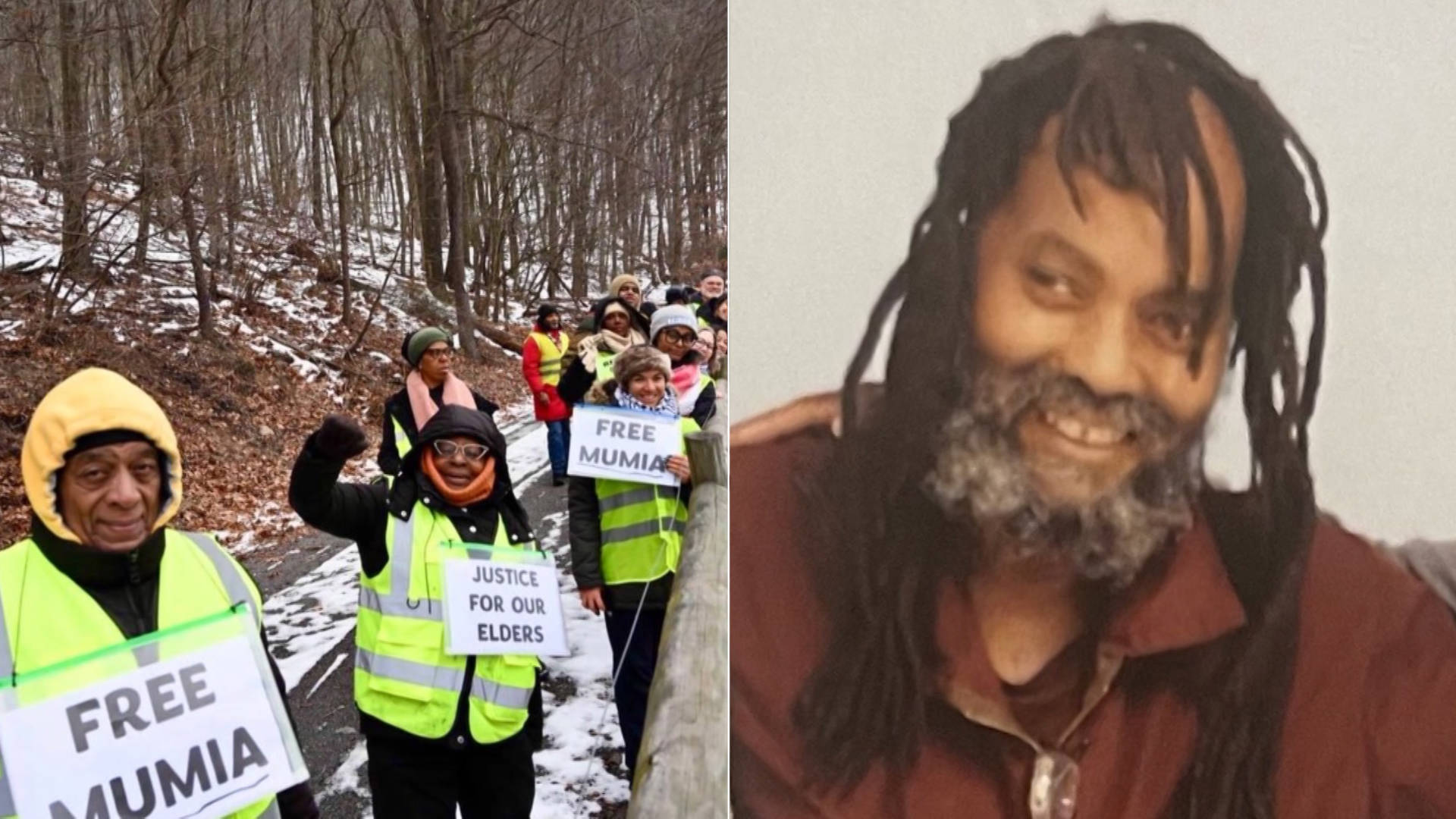
The Fight for Mumia Abu-Jamal: Medical Neglect, legal Battles, and a Growing movement
mumia Abu-Jamal, the renowned journalist and activist, remains incarcerated in Pennsylvania, facing a complex web of legal challenges and, increasingly, concerns over his deteriorating health. A recent surge in advocacy, culminating in a 100+ mile march to the Mahanoy State correctional Institution, highlights a growing demand for both adequate medical care and a re-examination of his decades-old conviction. this article delves into the current state of Abu-Jamal’s case,the obstacles to securing his release,and the powerful movement pushing for justice.
A History Marked by Controversy
Abu-Jamal was convicted in 1982 for the murder of a Philadelphia police officer. The trial, and subsequent appeals, have been plagued by allegations of racial bias and prosecutorial misconduct. Newly discovered files, unearthed by Philadelphia District Attorney Larry Krasner’s own office, appear to corroborate claims of bias. Despite this, a reopening of the case has stalled, fueling frustration among advocates.
The Urgent Medical Crisis
Currently, the most pressing concern is Abu-Jamal’s health. He suffers from Hepatitis C, a disease for which highly effective, curative treatments exist. For two years, prison officials allegedly denied him access to these fast-acting cures. This delay has likely contributed to the progress of diabetic retinopathy, a perhaps blinding complication of diabetes.
This isn’t simply about one man’s health. It’s a stark illustration of systemic medical neglect within the prison system.Advocates argue that all incarcerated individuals, notably aging lifers, deserve access to quality healthcare.
Why Isn’t the DA Reopening the Case?
The situation is complex. Despite Krasner’s progressive reputation, his office faces important pressure. Political headwinds, including an impeachment attempt and a “King’s Bench” petition demanding answers on his intentions regarding Abu-Jamal, have created a challenging environment.
Noelle Hanrahan, one of Abu-Jamal’s attorneys, explains that Mumia’s case has become a “third rail” in Philadelphia politics. She emphasizes the need for sustained public pressure to compel Krasner to act, recognizing that he was elected with support from abolitionist groups.”we have an obligation to make it impossible for him to not support us,” Hanrahan stated.
Pathways to Potential Relief
While a full reopening of the case remains elusive,several avenues for Abu-Jamal’s release are being pursued:
* Post-conviction Relief: A new application is being developed,following the denial of a previous attempt in March. Advocates believe the lower court failed to adequately review the evidence.
* Pardon Board: A petition to the Pennsylvania Board of Pardons requires unanimous approval from its five members and the governor – a high bar to clear.
* Compassionate Release: This option is extremely limited and typically reserved for inmates with terminal illnesses.
The March for Mumia: A Symbol of solidarity
Larry Hamm,chair of the People’s Institution for Progress,recently completed a 100+ mile march to Mahanoy prison alongside supporters.Hamm, who shares a birth month and age with Abu-Jamal, describes the march as a exhibition of solidarity and a demand for basic human rights.
The march culminated in a press conference and rally, reiterating calls for Abu-Jamal’s medical care and improved healthcare for all prisoners. it’s a powerful visual representation of the growing movement demanding justice.
A Movement Built From within
The fight for Mumia Abu-Jamal isn’t being waged solely by outside advocates.Hanrahan stresses that this movement is “built by prisoners,” fueled by the experiences and families of those incarcerated.Organizations like the Abolitionist Law Center, lead by Saleem Holbrook and Bret Grote, are central to the legal strategy.
“We are going to win and create the world that we deserve,” Hanrahan confidently asserts, reflecting the unwavering determination of those fighting for Abu-Jamal’s freedom and well-being.
What You Can Do
You can support the movement for Mumia Abu-jamal by:
* Staying informed: Follow updates from organizations like the Abolitionist Law Center and the People’s Organization for Progress
- Insurance Business Administrator Jobs in Leipzig | Federal Employment Agency
- French Student Faces Heavy Fine and Deportation Over Social Media Straw Stunt in Singapore
- Nevada Election Official Demands DHS Proof of Non-Citizen Voters (news-usa.today)
- Los Angeles Doctors Provide Accessible Medical Services (archyde.com)