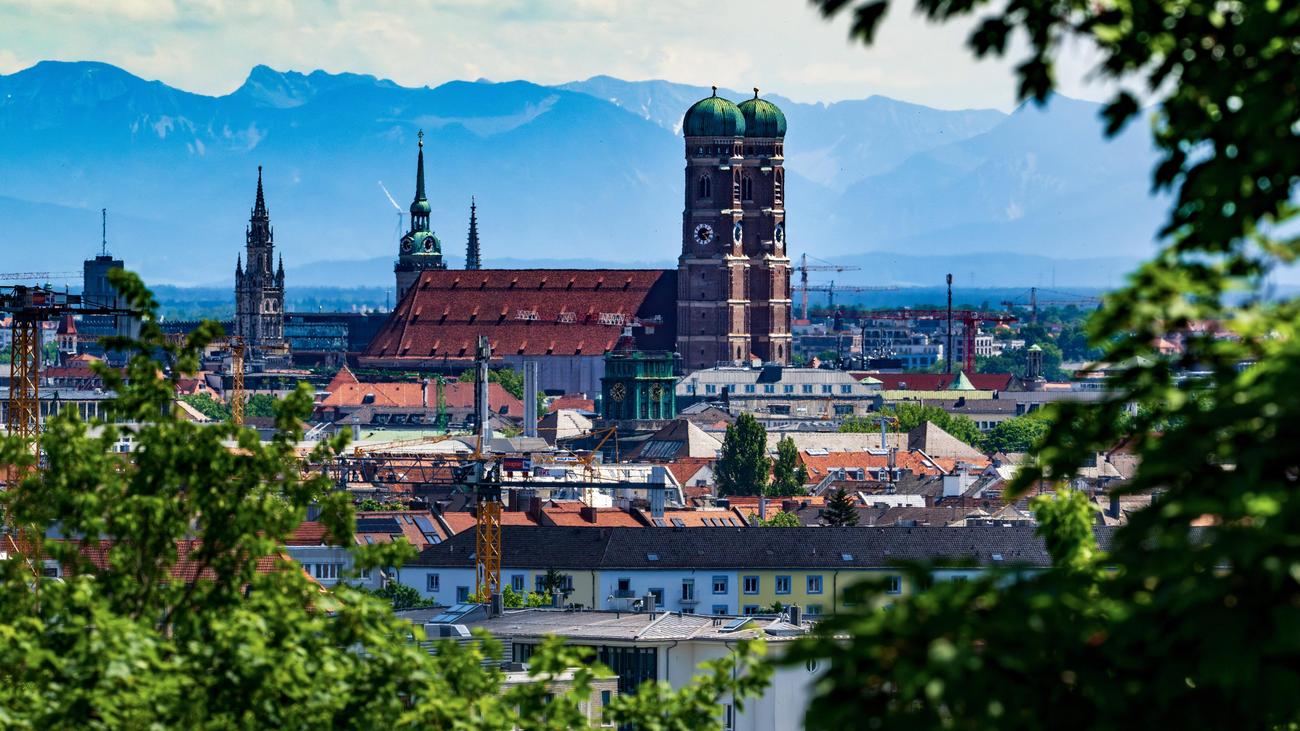
Munich remains the most expensive rental market in Germany, with new listings averaging nearly 24 euros per square meter for cold rent, according to recent housing market data. While the Bavarian capital continues to see high demand, other major metropolitan areas, including Berlin, have shown signs of a slight cooling in rental price growth for newly advertised properties.
The housing market in Germany’s largest cities remains under significant pressure, driven by a persistent shortage of available living space and sustained demand for urban housing. Data from property portals and market analysts indicate that while national averages often suggest a steady climb, the reality across individual cities varies significantly. Munich, historically the most expensive city for tenants, continues to lead the national rankings, consistently pushing the threshold of 24 euros per square meter for cold rent in recent market assessments, as reported by the Federal Statistical Office (Destatis) regarding general consumer price trends and housing components.
Regional Shifts in Berlin, Cologne, and Hamburg
While Munich maintains its position at the top of the price index, Berlin has experienced a notable deceleration in the growth of asking rents. After years of sharp, double-digit percentage increases in the capital, recent listings indicate that the intensity of price hikes has moderated. This shift is observed by market observers as a potential response to the limits of affordability in the city, where the rapid rise in costs has outpaced local wage growth, leading to a temporary plateau in the segment of newly advertised apartments.
Conversely, other major hubs are seeing a different trend. In Cologne and Hamburg, rental prices for new contracts have shown distinct upward pressure. According to market reports from institutions like the German Economic Institute (IW), these cities are experiencing a “catch-up” effect as demand shifts from more expensive markets, contributing to a tightening of available supply and subsequent price increases in the mid-to-high market segments.
Factors Driving the Current Rental Landscape
The divergence in rental trends is attributed to a combination of supply-side constraints and demographic changes. The construction sector, facing high interest rates and increased material costs, has struggled to meet government-set housing targets, which were initially established to combat the national shortage. The Federal Ministry for Housing, Urban Development and Building has frequently cited these economic headwinds as primary obstacles to accelerating new residential development.
Furthermore, the “cold rent” (Kaltmiete) figures—which exclude heating and utility costs—are heavily influenced by the age and energy efficiency of the building stock. Newer, energy-efficient apartments command significantly higher premiums, which disproportionately inflates the average price in cities where new construction is concentrated. Tenants looking for affordable housing are increasingly finding that the gap between existing, older contracts and new, modern listings is widening, creating a two-tier market in cities like Munich and Berlin.
What Tenants Should Expect Next
The housing market in Germany remains highly sensitive to regulatory changes and interest rate policies set by the European Central Bank, which impact the financing costs for property developers. Experts suggest that the next major indicator of market health will be the release of the upcoming biannual rent index (Mietspiegel) updates, which serve as the legal reference for rent adjustments in many municipalities. These indices provide a more comprehensive view of the market than purely looking at new, online listings, as they include long-standing tenancies.
For those currently seeking housing, market analysts recommend monitoring official municipal websites for local rental regulations and potential tenant protection programs. As the government continues to debate rent control measures and subsidy programs for new construction, stakeholders anticipate that the market will remain volatile throughout the remainder of the year. Readers are encouraged to share their experiences with local housing markets or contribute to the discussion on urban living costs in the comments section below.
Worth a look