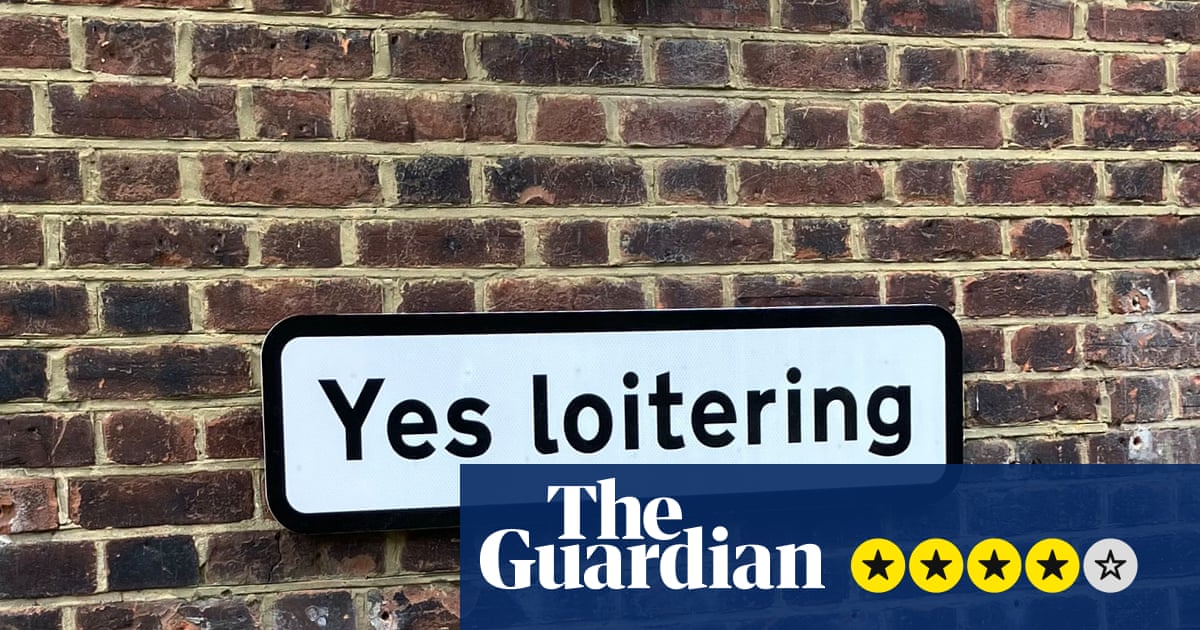
In the evolving landscape of public history and social advocacy, few projects challenge the status quo quite like the work currently being showcased at the Museum of Homelessness in London. As an entertainment and culture editor, I often find that the most profound artistic statements are those that force us to confront the uncomfortable realities hidden in plain sight. This exhibition does not merely document history. it serves as a visceral critique of how society perceives and treats its most vulnerable, nomadic and unhoused populations.
The core of this experience centers on a meticulously curated, largely al-fresco installation that invites viewers into the lived experiences of those who have faced systemic persecution over centuries. By bridging the gap between historical record and contemporary social policy, the museum creates a space for reflection that is as intellectually rigorous as it is emotionally jarring. The exhibition serves as a vital reminder that the narratives surrounding homelessness are often constructed by those in power, frequently to the detriment of the marginalized.
Deconstructing the Narrative of Displacement
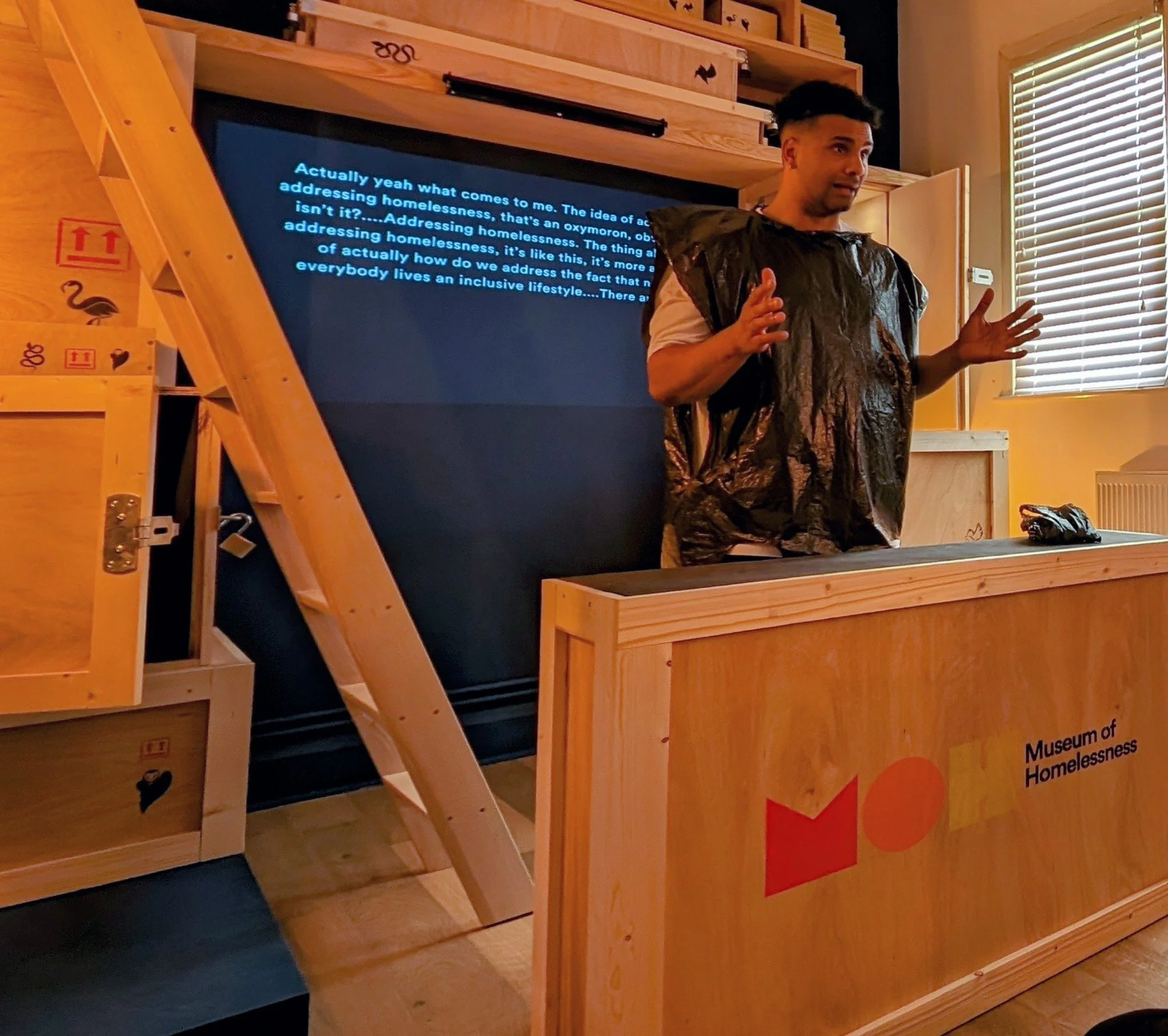
Central to the exhibition is a trim caravan situated within the serene, manicured grounds of a former gatehouse. On the surface, the interior presents a domestic, almost quaint aesthetic: pastel-colored bunting, intricate felt embroidery, and a bright rag rug. It is a visual language often associated with the comforts of traditional home life—a stark contrast to the reality of life on the margins. However, the true power of this piece lies in the details that dismantle that initial comfort.


Upon closer inspection of the display of pristine china, the visitor is confronted with a collection of newspaper headlines that document decades of hostility toward Gypsy and Traveller communities. These headlines, characterized by their inflammatory language, serve as a historical record of public and political sentiment. One piece, for instance, references the 2011 Dale Farm eviction, an event that marked the conclusion of a significant, decade-long legal and social standoff between Basildon Council and the Traveller families residing on the site. According to records from the BBC, the clearance of the site followed extensive legal proceedings regarding the use of green belt land for residential purposes.
The juxtaposition of these aggressive media portrayals against the cozy, domestic setting of the caravan is a deliberate, rage-making punch in the gut. It forces the audience to reconcile the “home” as a site of safety versus the “home” as a site of political contention and forced removal. This is not just a historical exercise; it is a commentary on how language is used to justify the displacement of nomadic and unhoused people.
The Intersection of History and Modern Policy
Understanding the impact of such an exhibition requires an appreciation for the legal and social frameworks that have historically defined homelessness and nomadism in the United Kingdom. The ongoing discourse regarding housing rights and the rights of nomadic groups is governed by a complex array of statutes, including the Housing Act 1996, which outlines the responsibilities of local authorities toward those who are homeless or threatened with homelessness. The exhibition effectively uses these historical touchpoints to highlight the continuity of systemic challenges.
By focusing on the lived experience rather than abstract statistics, the curators at the Museum of Homelessness elevate the voices of those affected by these policies. This approach shifts the focus from “the homeless” as a monolithic, faceless group to individuals with histories, crafts, and claims to land and community. The exhibition’s ability to “unpick” the methods of persecution—ranging from legislative acts to media stigmatization—provides a masterclass in how cultural institutions can act as agents of social change.
Why This Exhibition Matters Today
For a global audience, the relevance of this exhibition extends far beyond the borders of London. The struggle for housing security and the right to exist in public spaces are universal issues. Whether it is the tension between local zoning laws and nomadic lifestyles or the broader crisis of housing affordability, the themes explored here resonate with contemporary movements for social justice worldwide. The museum’s work is a testament to the idea that art is a medium for accountability.
.jpg?format=2500w "Museum of Homelessness London exhibition caravan interior")
The exhibition encourages visitors to question their own biases and the sources of their information regarding marginalized groups. By exposing the mechanisms of “othering”—the process by which communities are depicted as threats or nuisances—the Museum of Homelessness provides a critical framework for viewers to better understand the systemic nature of housing inequality. It is an essential visit for anyone interested in the intersection of civil rights, media literacy, and the preservation of human dignity.
As we look toward the future of social policy, the conversation surrounding the rights of unhoused and nomadic people will remain at the forefront of the public agenda. Institutions like the Museum of Homelessness are not just preserving the past; they are actively shaping the discourse for future policy debates. For those interested in the ongoing developments and future programming at the museum, official updates and exhibition schedules can be found through their official institutional portal. We encourage our readers to engage with these narratives and share their reflections on how we can foster a more inclusive and equitable society.
What are your thoughts on how museums should handle difficult social histories? Join the conversation in the comments section below.
Related reading