President Museveni Delivers Shs3.2 Billion in Funding to Ugandan SACCOs: A Deep Dive
President Yoweri Kaguta Museveni has demonstrated his commitment to grassroots economic empowerment by fulfilling a Shs3.2 billion pledge to Savings and Credit Cooperative Organizations (SACCOs) across Uganda. This funding is specifically targeted towards Muslim Women SACCOs nationwide and ghetto SACCOs within the Busoga Sub-region. The initiative aims to provide accessible financial resources and foster enduring livelihoods.
Funding Breakdown & Key Details
The financial support is divided as follows:
* Muslim Women SACCOs: Shs2 billion
* Ghetto SACCOs (busoga Sub-region): Shs1.2 billion (covering 12 districts and the city of Busoga)
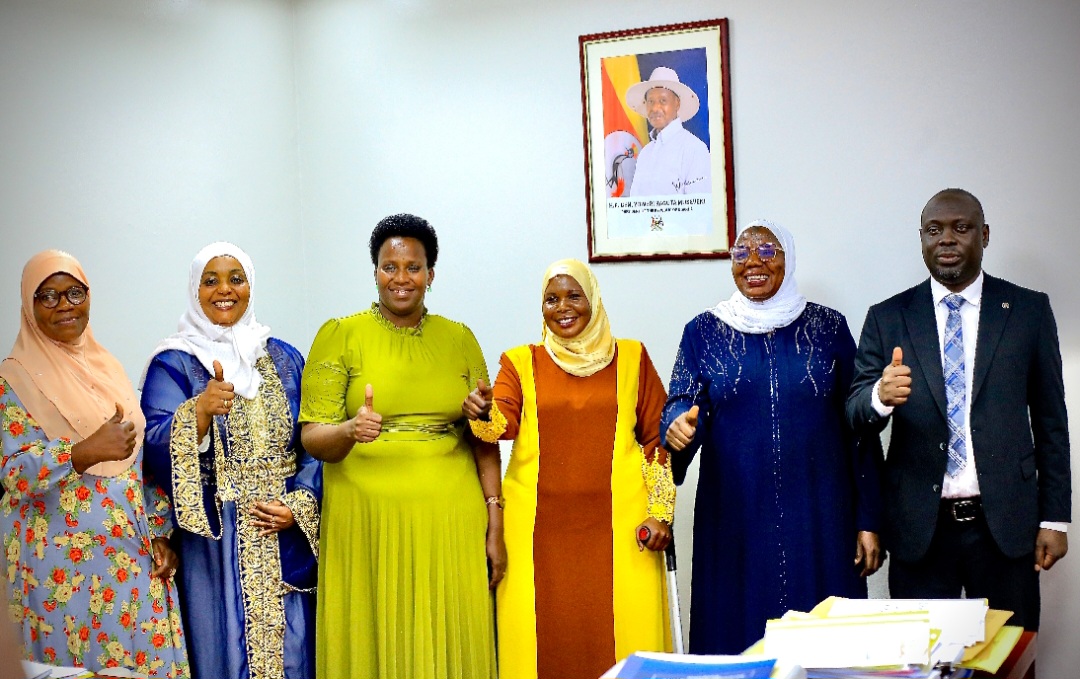
The funds where officially handed over by State House Comptroller, Ms.Jane Barekye,at Okello House in kampala. This distribution marks a notable step in the government’s ongoing efforts to support marginalized communities and stimulate economic growth at the local level.
Loan Terms & Repayment Structure
Understanding the loan terms is crucial for beneficiaries. Here’s a clear outline:
* Ghetto SACCOs: A 6% annual interest rate will apply to loans.
* Muslim Women SACCOs: A 6% annual service fee will be charged.
* Repayment Period: One year is allocated for borrowers to repay their loans.
Ms. Barekye emphasized that these funds are not a donation, but rather a government-backed initiative designed to empower economic independence. This distinction is vital for responsible utilization and long-term sustainability.
Strict Accountability & Monitoring Measures
The government is taking a firm stance on accountability. Ms.Barekye issued a stern warning: misuse of funds will result in arrest and prosecution. This underscores the seriousness with which the President views this initiative.
To ensure openness and effective utilization, several monitoring mechanisms are being implemented:
* Presidential Directive: Funds must be used according to the President’s specific guidelines – borrow, invest, and repay.
* Office Monitoring: Haji Kirunda’s office will establish a system to track fund usage and assess impact.
* Annual Audits: Comprehensive audits will be conducted at the end of each year to evaluate the status of the funds.
* Interest Rate Control: The 6% interest rate is fixed and cannot be altered without the President’s direct authorization.
Addressing misconceptions & Political Neutrality
Haji Faruk Kirunda, Special Presidential Assistant on Press and Mobilization, and coordinator of the SACCOs, clarified that this support is not tied to elections or political agendas. He stressed that the President approved this funding in response to proposals submitted by the beneficiary groups.
“This money is from the government, not president Museveni personally,” Kirunda explained. “Do not misuse it in the name of politics, or you will face legal consequences.” This message reinforces the initiative’s core purpose: economic empowerment, not political gain.
Community Response & Gratitude
Hajjat Sofia Kenyangi, National Chairperson of the Uganda Muslim Women Council, expressed profound gratitude to President Museveni for honoring his commitment to Muslim women.This support is expected to substantially improve their economic standing and contribute to their overall well-being.
Why This Matters: Broader Implications
This initiative reflects a broader strategy to address poverty and inequality in Uganda. By directly supporting SACCOs,the government aims to:
* boost Local Economies: Increased access to capital stimulates business activity and job creation.
* Empower Marginalized Groups: Specifically targeting women and residents of underserved areas promotes inclusivity.
* Promote Financial Literacy: SACCOs frequently enough provide financial education and training, enhancing members’ financial skills.
* Reduce Dependence on Informal Lending: Formalizing access to credit reduces reliance on exploitative loan sharks.
This funding represents a tangible investment in the future of Ugandan communities. The emphasis on accountability and sustainable practices suggests a long-term commitment to fostering economic empowerment and improving livelihoods across the nation.
Have a story to share? Email us at [email protected].
Worth a look