
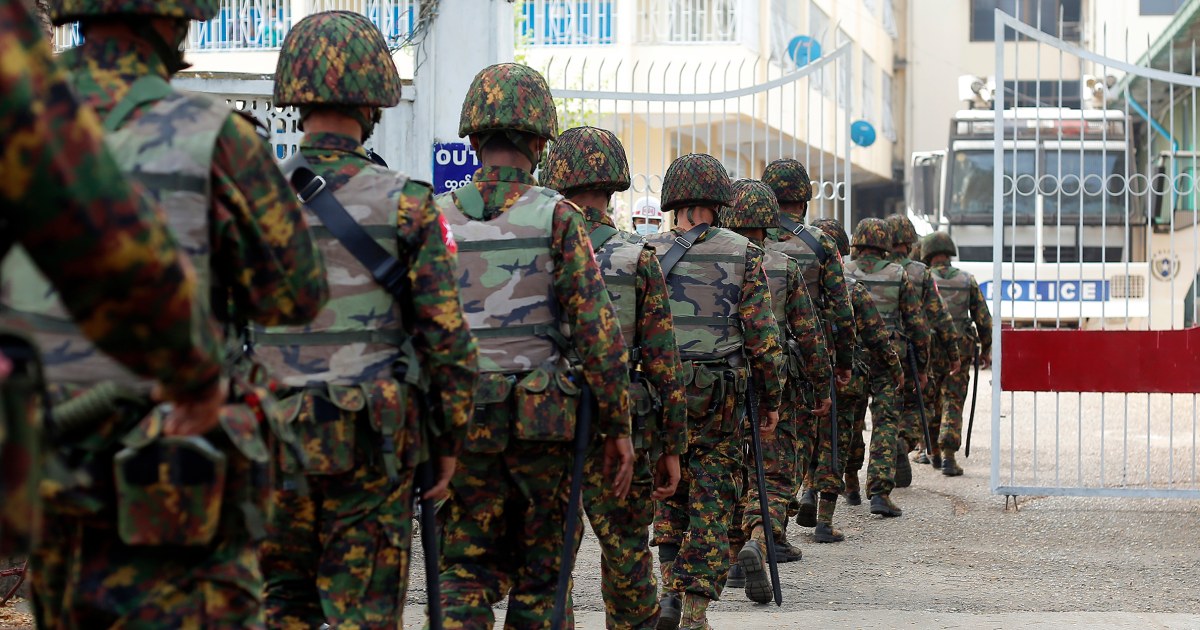
Myanmar‘s Ongoing Human Rights Crisis: Accountability Efforts intensify
The situation in Myanmar remains deeply concerning,marked by escalating violence and systematic human rights abuses against multiple ethnic groups. International investigations are actively underway, aiming to hold perpetrators accountable for atrocities committed in recent years, and to build a path toward justice for victims. This article provides an update on these critical efforts, focusing on the ongoing investigations into crimes against the Rohingya and other vulnerable populations.
Investigating Atrocities: A Multi-pronged Approach
Investigators are meticulously documenting evidence of widespread crimes, including those perpetrated during the 2017 Rohingya refugee crisis. more than 700,000 Rohingya fled Myanmar’s Rakhine state during a brutal military crackdown, seeking refuge in neighboring Bangladesh.
Currently, the team is also examining the renewed dangers faced by the remaining Rohingya population. They are now threatened by the Arakan Army, a rebel group that has gained control of Rakhine state – the Rohingya’s ancestral homeland. This escalating conflict adds another layer of complexity to an already dire humanitarian situation.
Investigators have made significant progress in identifying individuals responsible for these crimes. This includes pinpointing commanders overseeing detention facilities within Myanmar. They are prepared to support any jurisdiction willing to prosecute these offenses, signaling a commitment to international justice.
Pursuit of Justice: International Legal avenues
The pursuit of accountability isn’t limited to national courts. Evidence gathered by investigators is already being utilized in several international legal proceedings.
Here’s a breakdown of key developments:
International Criminal Court (ICC): In November, the ICC issued an arrest warrant for Senior Gen.Min Aung Hlaing,the head of Myanmar’s military government,for crimes against the Rohingya. International Court of Justice (ICJ): Cases are progressing before the ICJ, leveraging the evidence compiled by investigators.
* Argentine Courts: Investigations are also supporting legal efforts within Argentina, demonstrating a global commitment to universal jurisdiction.
These efforts demonstrate a concerted international effort to ensure that those responsible for atrocities are held accountable, regardless of their position or location.
Myanmar’s Political landscape & Challenges to Accountability
Accountability efforts are unfolding against a backdrop of political instability in Myanmar. Min Aung Hlaing recently consolidated his power through an administrative restructuring, officially ending the state of emergency declared in 2021.
A general election is planned for December, but it is indeed already facing widespread criticism. Many believe the election will be neither free nor fair, raising concerns about the legitimacy of any resulting government. This political climate presents significant challenges to achieving justice and lasting peace.
What This Means for You
You may be wondering how these developments impact the broader global community. The situation in myanmar is a stark reminder of the importance of upholding international human rights law. It also highlights the need for sustained international pressure on the Myanmar regime to end its abuses and allow for a genuine transition to democracy.
Ultimately, the goal is to create a future where perpetrators are held accountable for their actions, and victims receive the justice and reparations they deserve. the ongoing investigations represent a crucial step toward achieving that goal.It’s a complex situation, but continued vigilance and support for these accountability efforts are vital.


