
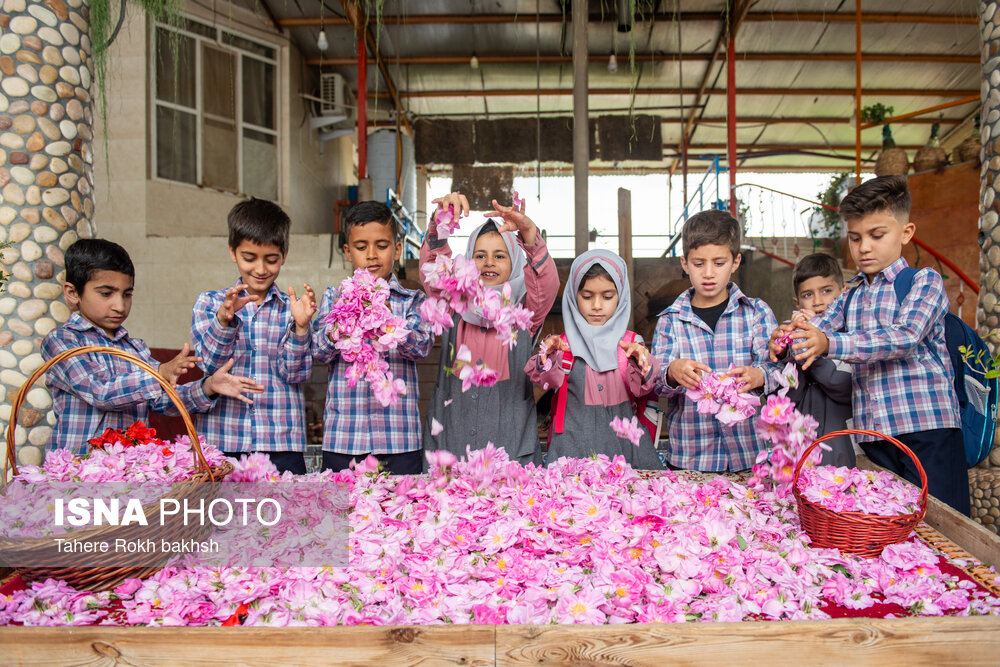
A Fragrant Tribute: Iranian Youth Honor Minab School Victims with Rosewater Ceremony
Mymand, Iran – In a poignant display of remembrance and resilience, elementary students and young people from the town of Mymand recently harvested Damask roses and crafted 168 bottles of rosewater as a tribute to the students who tragically lost their lives in the attack on the Shajareh Tayyebeh school in Minab. The gesture, reported on April 25, 2026, by IFP Editorial Staff, serves as a powerful symbol of mourning and a commitment to honoring the memory of those lost. This act of collective remembrance comes amidst ongoing tensions and reflects a broader national effort to cope with the aftermath of recent conflict.
The Shajareh Tayyebeh school in Minab was struck on the first day of the US-Israeli war against Iran, resulting in the deaths of numerous children. The precise number of casualties remains a sensitive topic, but the event has deeply impacted the nation, prompting widespread grief and calls for accountability. The rosewater preparation is a culturally significant act in Iran, traditionally associated with purity, healing, and remembrance, making it a fitting tribute to the young victims. The selection of Damask roses, known for their exquisite fragrance and historical significance in Iranian culture, further underscores the symbolic weight of the ceremony.
The Significance of Rosewater in Iranian Culture
Rosewater, or golab in Persian, holds a prominent place in Iranian traditions and is deeply interwoven with the country’s cultural heritage. Its production dates back centuries, with Iran being one of the primary centers for Damask rose cultivation and rosewater distillation. Britannica details the historical use of rosewater in Persian medicine, cuisine, and religious ceremonies. Beyond its practical applications, rosewater is often used to scent homes, offer hospitality to guests, and as a symbol of purification and spiritual cleansing. The act of preparing rosewater, is not merely a practical undertaking but a deeply symbolic one, imbued with cultural meaning and emotional resonance.

The choice to gift the 168 bottles of rosewater to the families of the student martyrs is particularly meaningful. Rosewater is often presented as a gesture of condolence and sympathy, offering a fragrant and comforting reminder of loved ones. The collective effort of the students and youth of Mymand in producing this gift underscores the community’s shared grief and their commitment to supporting the families affected by the tragedy. This act of solidarity highlights the importance of community bonds in times of crisis and the power of collective remembrance.
Context: Recent Events and the Minab School Attack
The attack on the Shajareh Tayyebeh school occurred amidst escalating tensions between the United States and Israel on one side, and Iran on the other. Whereas details surrounding the specific circumstances of the attack remain contested, the event has been widely condemned internationally. Reuters continues to provide ongoing coverage of the geopolitical landscape in the region. The incident prompted widespread mourning within Iran and fueled calls for a strong response to perceived aggressors.
In the wake of the attack, Minab has become a focal point for national grief and remembrance. Reports from April 23, 2026, indicate that the Shajareh Tayyebeh school remains in mourning, with community members continuing to gather to pay their respects to the victims. The rosewater ceremony represents a continuation of this collective mourning process, offering a tangible expression of grief and a symbolic gesture of hope for the future. The event similarly reflects a growing sense of national unity and resilience in the face of adversity.
The “Janfada” Generation and Iranian Resilience
Recent reports have highlighted the emergence of a fresh generation of Iranian youth demonstrating a strong sense of national pride and a willingness to defend their country. Dubbed the “Janfada” girls, these young women have been actively involved in expressing their patriotism and challenging perceived external threats. This spirit of resilience and determination is evident in the rosewater ceremony, where young people from Mymand took the initiative to honor the memory of the fallen students. The participation of elementary school children in the rose harvest underscores the importance of instilling a sense of national identity and remembrance in future generations.
The Iranian response to the recent conflict has been characterized by a combination of military preparedness and cultural resilience. Events such as the rosewater ceremony demonstrate the nation’s ability to find strength and solace in its cultural traditions, even in the face of profound loss. The outpouring of grief and remembrance in Minab serves as a testament to the enduring spirit of the Iranian people and their commitment to honoring the memory of those who have been lost.
Looking Ahead: Continued Remembrance and National Healing
As Iran continues to navigate the aftermath of the recent conflict, the memory of the Shajareh Tayyebeh school attack will undoubtedly remain a powerful symbol of national grief and resilience. The rosewater ceremony in Mymand represents a small but significant step towards healing and remembrance, offering a fragrant tribute to the young lives lost. Further updates on the situation in Minab and the broader geopolitical landscape can be found through ongoing reporting from The Associated Press.
The families of the student martyrs will continue to receive support from the community and the nation as they grapple with their loss. The 168 bottles of rosewater, crafted with care and intention, serve as a tangible reminder of the collective grief and the enduring spirit of remembrance. The event also underscores the importance of fostering a culture of peace and understanding, and of working towards a future where such tragedies are no longer repeated.
The next significant event related to the aftermath of the Minab school attack is expected to be a national day of mourning, scheduled for May 15, 2026, as announced by the Iranian Ministry of Interior. This day will provide an opportunity for the nation to collectively reflect on the tragedy and to reaffirm its commitment to honoring the memory of the victims. We encourage readers to share their thoughts and reflections on this important event in the comments below.