
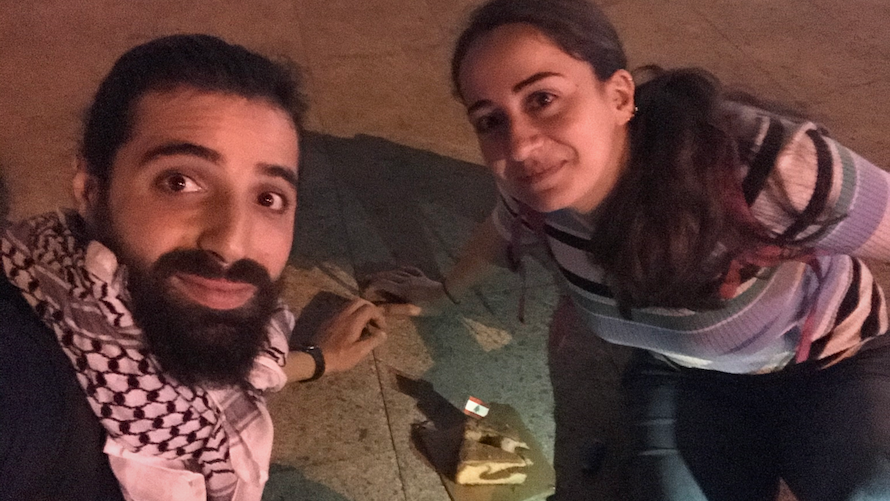
‘Birds of War’ at Hot Docs 2026: A Harrowing Love Story Forged in the Syrian Civil War
The 2026 Hot Docs Canadian International Documentary Festival is showcasing a powerful and deeply moving film, “Birds of War,” which chronicles the unlikely love story between a London-based Lebanese journalist and a Syrian photographer amidst the brutal realities of the Syrian Civil War. The documentary, directed by an as-yet unnamed director, offers a visceral and intimate look at the conflict through the lens of those living through it, and the personal connection that blossomed between Janay Boulos, a journalist with BBC Arabic, and Abd Alkader Habak, a photographer documenting the devastation in Aleppo. The film premiered at Hot Docs on April 23rd and runs through May 3rd in Toronto, offering audiences a chance to witness a story of resilience, love, and the enduring human spirit in the face of unimaginable hardship. Further details and ticket information are available on the Hot Docs website.
“Birds of War” distinguishes itself from typical narratives by grounding itself in a true story, moving beyond the cliché of a journalist becoming romantically involved with a source. The film’s power lies in its unflinching portrayal of the war’s impact on everyday lives and the courage of those who continue to document and bear witness. The documentary utilizes archival footage, voice notes, and text message conversations to weave together the story of Boulos and Habak, offering a unique and deeply personal perspective on the Syrian conflict. The film’s exploration of the complexities of war reporting and the emotional toll it takes on those involved adds another layer of depth to the narrative.
The Front Lines of Reporting and Falling in Love
Janay Boulos, working as a journalist for BBC Arabic, first connected with Abd Alkader Habak as a source providing on-the-ground reporting from Aleppo during the height of the Syrian Civil War around 2016. As Boulos relied on Habak’s dispatches and images, a protective concern evolved into a deeper, more intimate connection. The film highlights the inherent risks faced by journalists and photographers covering conflict zones, and the emotional weight of bearing witness to such suffering. Habak’s photographs, capturing the relentless bombardment of Aleppo, are described as stunning yet horrifying, offering viewers a stark and unflinching view of the war’s devastation. The documentary underscores the importance of citizen journalism and the role of individuals like Habak in documenting events that might otherwise go unreported.
The film’s strength lies in Habak’s footage, which places the audience directly within the besieged city of Aleppo. This immersive experience serves as a powerful reminder of the human cost of war, particularly for those who have known only peace. Habak’s palpable sadness at the prospect of leaving his home, even as it is reduced to rubble, resonates deeply, illustrating the profound connection people have to their cities and the devastating impact of displacement. The documentary doesn’t shy away from depicting the brutal realities of the conflict, offering a sobering counterpoint to the often-sanitized portrayals of war in mainstream media.
A Relationship Built on Shared Experience and Archival Fragments
While the political backdrop of the film is powerfully rendered, the development of the romantic relationship between Boulos and Habak is presented in a more fragmented manner. The filmmakers rely heavily on archival materials – footage, voice notes, and text messages – to chart the course of their connection. Some critics have noted that this approach leaves certain key moments, such as their initial in-person meeting and the transition from digital communication to a physical relationship, feeling somewhat underdeveloped. However, this stylistic choice too reflects the constraints of working with existing materials and the inherent challenges of documenting a relationship that unfolded amidst the chaos of war.
Despite the limitations of the archival format, “Birds of War” effectively conveys the emotional intimacy that grew between Boulos and Habak. Their shared experiences, coupled with their commitment to documenting the truth, formed a strong bond that transcended geographical distance and political boundaries. The film also touches upon the complexities of their families’ reactions to their relationship, highlighting the enduring power of familial ties even in the face of political disagreements. The documentary suggests that while their romance may appear relatively smooth compared to the intense conflicts in their respective home countries, navigating family dynamics added another layer of nuance to their story.
The Enduring Power of Love and Homeland
At 85 minutes, “Birds of War” delivers a concentrated emotional impact. While it may not be the most exhaustive exploration of a love story, its core message – the enduring power of love and the profound connection people have to their homeland – resonates deeply. The film serves as a poignant reminder of the human cost of war and the importance of bearing witness to suffering. It also celebrates the resilience of the human spirit and the ability to find hope and connection even in the darkest of times.
The documentary’s focus on Habak’s emotional attachment to Aleppo is particularly moving. His sadness at leaving the city, even as it is destroyed, underscores the deep cultural and personal significance of place. This theme of loving one’s homeland, even in the face of unimaginable danger, is central to the film’s message and provides a powerful counterpoint to the often-abstract discussions of political conflict. “Birds of War” ultimately offers a human-scale perspective on the Syrian Civil War, reminding viewers that behind the headlines and statistics are real people with real stories.
Hot Docs 2026 and the Ongoing Conversation About Conflict Reporting
The screening of “Birds of War” at Hot Docs 2026 comes at a time of increasing scrutiny of conflict reporting and the ethical challenges faced by journalists working in dangerous environments. The film raises important questions about the role of objectivity, the emotional toll of witnessing trauma, and the potential for personal relationships to develop in the midst of conflict. The documentary’s exploration of these issues is particularly relevant in an era of misinformation and the erosion of trust in traditional media. The film’s presentation at Hot Docs provides a platform for discussion and debate about these critical issues.
Hot Docs, established in 1993, is a leading documentary festival, market, and funder, dedicated to fostering a vibrant documentary culture. More information about the festival’s mission and programs can be found on their website. The festival’s commitment to showcasing diverse voices and perspectives makes it an ideal venue for a film like “Birds of War,” which offers a unique and deeply personal perspective on a complex global conflict. The festival runs from April 23 to May 3 in Toronto, offering a wide range of documentaries on a variety of topics.
As “Birds of War” continues its festival run, it is poised to spark important conversations about the human cost of war, the challenges of conflict reporting, and the enduring power of love and resilience. The film’s unflinching portrayal of the Syrian Civil War and its intimate exploration of the relationship between Janay Boulos and Abd Alkader Habak create it a must-see for anyone interested in understanding the complexities of this ongoing conflict. The next step for the film will likely involve securing distribution for wider release, bringing this powerful story to audiences around the world.
What are your thoughts on the ethical considerations of journalists becoming personally involved with their sources? Share your perspectives in the comments below, and don’t forget to share this article with your network.