
In a remote region of eastern Africa, health authorities are grappling with an unexplained illness that has claimed five lives and infected dozens more in Burundi. The outbreak, first reported in early April 2026, has prompted urgent investigations by national health teams supported by the World Health Organization (WHO), as laboratories work to identify the pathogen behind a cluster of severe symptoms including fever, vomiting, diarrhea, bloody urine, jaundice, and anemia.
According to official statements from Burundi’s Ministry of Health, all confirmed cases have been traced to the Mabanda area in the country’s northern province, near the border with the Democratic Republic of the Congo. Initial testing ruled out several high-concern viral hemorrhagic fevers, including Ebola, Marburg, Lassa fever, yellow fever, and Crimean-Congo hemorrhagic fever, deepening the mystery surrounding the illness’s origin.
The cases began within a single household before spreading to close contacts, suggesting possible person-to-person transmission, though health officials have not yet confirmed the exact mode of spread. As of mid-April, surveillance efforts were ongoing, with dozens of individuals under observation or receiving supportive care after exhibiting similar symptoms.
WHO has deployed technical teams to assist with epidemiological tracing, sample collection, and laboratory analysis, emphasizing that while the situation remains under active investigation, there is no evidence of international spread at this time. The agency reiterated its commitment to supporting Burundi’s response through coordination, technical guidance, and resource mobilization.
Symptoms and Clinical Presentation Raise Concerns
Patients initially presented with nonspecific signs such as high fever, persistent vomiting, and watery diarrhea. In more severe cases, clinicians observed hematuria (blood in urine), profound fatigue, abdominal pain, jaundice indicating liver involvement, and signs of anemia such as pallor and rapid heartbeat. These combined manifestations prompted concern among infectious disease specialists due to their overlap with multiple known pathogens, yet the absence of positive results for established viruses has complicated diagnostic efforts.
Medical experts note that the combination of gastrointestinal bleeding, hepatic dysfunction, and hematological abnormalities suggests a possible toxic or infectious etiology affecting multiple organ systems. However, without confirmed laboratory findings, any speculation about the pathogen’s identity remains premature.
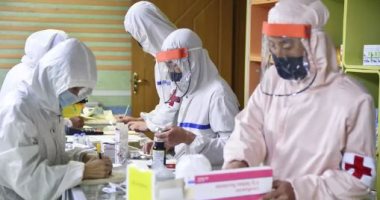
Health workers in the region have been advised to follow standard infection prevention and control protocols, including the use of personal protective equipment when handling suspected cases, and to report any new instances immediately to surveillance units.
Investigation Underway Amid Regional Vigilance
Burundian authorities, in collaboration with WHO and regional partners, have launched a comprehensive outbreak response that includes active case finding, contact tracing, environmental sampling, and risk communication. Teams have been dispatched to Mabanda to gather clinical data, interview affected families, and collect biological specimens for further analysis at national and international reference laboratories.
Given the proximity to the DRC, where outbreaks of Ebola and other viral hemorrhagic fevers have occurred in recent years, cross-border coordination has been heightened. Officials from both countries have engaged in information sharing to monitor for potential spillover events, although no linked cases have been reported outside Burundi as of the latest updates.
The WHO Africa regional office has stated that it is closely monitoring the situation and stands ready to scale up support if needed. Public health messaging continues to emphasize calm and vigilance, urging communities to seek early care and avoid unverified treatments or rumors circulating online.
What Which means for Global Health Surveillance
This incident underscores the ongoing challenges in detecting and diagnosing emerging infectious diseases, particularly in resource-limited settings where access to advanced diagnostics may be delayed. It also highlights the importance of maintaining strong surveillance systems capable of signaling unusual clusters of illness even when known pathogens are ruled out.
Experts stress that while not every outbreak leads to a global health emergency, each unexplained cluster serves as a critical test of national and international readiness. The ability to rapidly deploy teams, share data transparently, and conduct rigorous laboratory work remains essential in containing threats before they escalate.
For now, the focus remains on identifying the cause of the illness in Burundi, providing care to those affected, and preventing further transmission through evidence-based public health measures. Updates will be issued as laboratory results become available and the epidemiological picture becomes clearer.
Readers seeking reliable information on this developing situation are encouraged to consult official channels, including the World Health Organization’s outbreak news page and Burundi’s Ministry of Health communications.