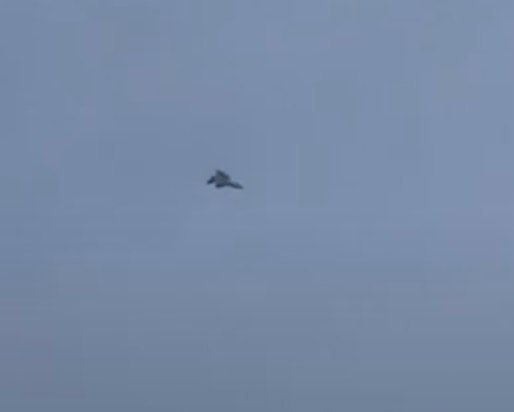
The recent escalation of tensions in the Middle East has taken a fresh turn with reports of an unidentified fighter jet operating over Iranian airspace. While initial speculation pointed towards the United States or Israel, authorities in both countries have denied involvement, raising questions about the origin and purpose of the aircraft. This incident occurs against a backdrop of heightened regional instability, following a strike in central Beirut attributed to Israel and Iran’s vow of retaliation for the killing of a senior security chief.
The situation is further complicated by reports suggesting a significant reduction in Iran’s ballistic missile capabilities, allegedly due to joint efforts by the US and Israel. This development, coupled with the mystery surrounding the unidentified fighter jet, underscores the complex and rapidly evolving dynamics at play in the region. The lack of clarity surrounding the aircraft’s identity is fueling concerns about potential miscalculations and further escalation.
Unidentified Aircraft Sparks Regional Concerns
Reports of the unidentified fighter jet first surfaced on Wednesday, March 18, 2026, originating from Polish tech news outlet WP Tech. The outlet reported that the aircraft was observed flying over Iranian territory and did not appear to belong to either the US or Israeli air forces. This claim has prompted a flurry of analysis and speculation among defense experts and geopolitical observers. While the exact details of the sighting remain unclear, the incident has heightened anxieties about potential military activity in the region.
Both the US and Israel have officially denied any involvement in the reported overflight. These denials, while providing some reassurance, have done little to quell the growing unease. The absence of a clear explanation for the aircraft’s presence raises the possibility of a previously unknown actor operating in the region, or a clandestine operation carried out by a state actor attempting to maintain deniability. The situation is particularly sensitive given the recent exchange of strikes and threats between Israel and Iran.
Recent Escalation of Tensions
The sighting of the unidentified aircraft comes amid a period of escalating tensions between Israel and Iran. On Tuesday, March 18, 2026, Israel launched strikes in central Beirut, Lebanon, reportedly targeting individuals linked to Hamas. The Guardian reports that Iran has vowed to retaliate for the killing of a senior security chief, further raising the stakes in the conflict. This exchange of strikes represents a significant escalation in the ongoing shadow war between the two countries.
The conflict is rooted in a complex web of geopolitical factors, including Iran’s nuclear program, its support for regional proxies, and its opposition to Israel’s existence. Israel views Iran as an existential threat and has repeatedly stated its willingness to take military action to prevent Iran from acquiring nuclear weapons. Iran, in turn, accuses Israel of destabilizing the region and supports groups that oppose Israeli policies.
Reported Reduction in Iran’s Ballistic Missile Capabilities
Adding another layer of complexity to the situation, reports have emerged suggesting that the US and Israel have successfully degraded Iran’s ballistic missile capabilities. Al Jazeera reports that a majority of Iran’s ballistic missile capability has been taken out of commission through joint operations. While the exact nature of these operations remains classified, it is believed to involve a combination of cyberattacks, sabotage, and targeted strikes.
This reported reduction in Iran’s missile capabilities could significantly alter the strategic balance in the region. Iran has long relied on its ballistic missile program as a deterrent against potential attacks, and a weakening of this capability could develop it more vulnerable to military intervention. However, Iran continues to invest heavily in its missile program and is actively seeking to develop more advanced capabilities.
Implications for Regional Stability
The confluence of these events – the unidentified fighter jet, the escalating exchange of strikes, and the reported degradation of Iran’s missile capabilities – paints a concerning picture for regional stability. The lack of transparency surrounding the unidentified aircraft, coupled with the heightened tensions between Israel and Iran, creates a volatile environment where miscalculations could easily lead to a wider conflict.
The potential for escalation is particularly high given the involvement of multiple actors and the complex web of alliances in the region. The US, while maintaining a policy of deterrence, remains a key ally of Israel and is likely to support its actions in the event of a direct threat. Iran, in turn, has close ties with regional proxies such as Hezbollah in Lebanon and Hamas in Gaza, and could seek to retaliate against Israel through these groups.
What Happens Next?
The immediate future remains uncertain. Analysts are closely monitoring the situation for any signs of further escalation. Iran’s response to the recent Israeli strikes will be a key indicator of its intentions. Any retaliatory action by Iran could trigger a further escalation of the conflict, potentially drawing in other regional actors.
The mystery surrounding the unidentified fighter jet also remains unresolved. Efforts to identify the aircraft are ongoing, and a definitive answer could shed light on the intentions of the actor involved. In the meantime, the incident serves as a stark reminder of the complex and unpredictable nature of the geopolitical landscape in the Middle East.
The international community is urging restraint and calling for a de-escalation of tensions. However, the deep-seated animosities and conflicting interests in the region make a peaceful resolution difficult to achieve. The situation requires careful diplomacy and a commitment from all parties to avoid actions that could further destabilize the region.
The next key development to watch will be any official statement from Iran regarding its response to the Beirut strikes. Further investigation into the identity of the unidentified aircraft is also crucial. The coming days and weeks will be critical in determining whether the region will descend into a wider conflict or whether a path towards de-escalation can be found.
Do you have thoughts on the escalating tensions in the Middle East? Share your perspective in the comments below.
Worth a look