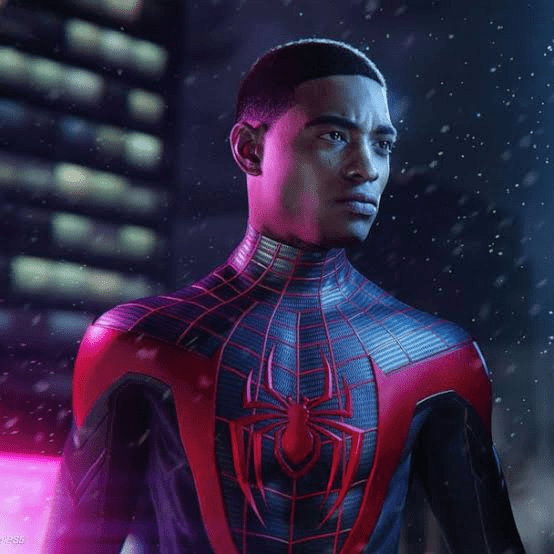
Actor Nadji Jeter, best known for his performance as Miles Morales in the Insomniac Games Spider-Man series, discussed his experiences with motion capture and character development during a Q&A session at the 2026 Montreal Comiccon. Jeter, who has portrayed the web-slinger since the character’s introduction in the franchise, reflected on the professional and personal impact of embodying a figure who serves as a cultural touchstone for many fans.
Since the initial release of Marvel’s Spider-Man in 2018, which according to Sony Interactive Entertainment sold over 20 million units globally by 2020, Jeter has become synonymous with the Miles Morales iteration of the character. During the panel, he noted that the COVID-19 pandemic provided a period where audiences had significant time to engage with his interpretation of the role, leading to a deeper connection with fans who identified with the character’s narrative. For many attendees at the Montreal event, Jeter’s performance was cited as their definitive version of the hero, a sentiment the actor acknowledged with gratitude.
[Credit: Insomniac Games]
The Technical Demands of Motion Capture Performance
Jeter’s work as Miles Morales relies heavily on motion capture (mo-cap), a process he describes as distinct from traditional voice-over acting. He emphasized that the physicality of the medium requires the actor to treat the stage with a high degree of imagination, as the environment rarely resembles the final rendered world seen by players. According to Jeter, performers must be able to visualize their surroundings—treating simple props like water bottles as integral set pieces—to maintain the emotional consistency of the scene.

This physical approach is central to how he builds vulnerability into Miles. Drawing on his own upbringing with a single mother, Jeter noted that he tapped into shared experiences of loss to portray the emotional connection between Miles and Peter Parker. He views his work in mo-cap as physically demanding, noting that while he was limited in performing his own stunts due to insurance protocols during the production of the games, he has a strong desire to further develop his stunt skills to better embody his characters in future projects.
[Credit: Insomniac Games]
Early Career and The Last of Us
Before his tenure as Spider-Man, Jeter’s introduction to motion capture occurred during the development of The Last of Us, where he provided the voice and performance for the character Sam. At the time of production, Jeter was approximately 13 or 14 years old. He described the experience as a learning environment, crediting co-stars Troy Baker and Ashley Johnson with providing mentorship and academic support while on set. According to Naughty Dog, The Last of Us was released in 2013 and went on to become one of the most critically acclaimed titles in the PlayStation library.

[Credit: Naughty Dog]
Personal Influences and Future Aspirations
Despite his role in the franchise, Jeter expressed a personal affinity for the earlier iterations of the character, identifying Tobey Maguire’s Spider-Man as his favorite. He noted that Spider-Man 3 remains his favorite film in the series. He also shared the impact of the late Tony Todd, who voiced Venom in the 2023 release Marvel’s Spider-Man 2. Jeter described Todd as a mentor, noting that his passing had been a deeply difficult experience for him personally.
Looking toward the future, Jeter expressed interest in expanding his career into live-action cinema and music. He is currently working on his own music, where he plays guitar and provides vocals, and he stated an ambition to share the screen with actors such as Denzel Washington, Johnny Depp, or Robert Downey Jr. regarding potential film roles. Regarding his work with brand partners, he discussed his appreciation for the collaboration between the game franchise and Adidas, which resulted in a custom in-game suit inspired by the company’s footwear, noting that he remains a dedicated fan of sneaker culture.

[Credit: Insomniac Games]
The Montreal Comiccon panel concluded with the actor reflecting on his journey from a young performer to becoming one of the recognized faces of a major gaming icon. As the convention continues throughout the weekend, attendees can look forward to further programming regarding the future of the Spider-Man franchise and other upcoming industry developments. Fans are encouraged to share their thoughts on the panel and stay updated through official social media channels for more coverage from the event.