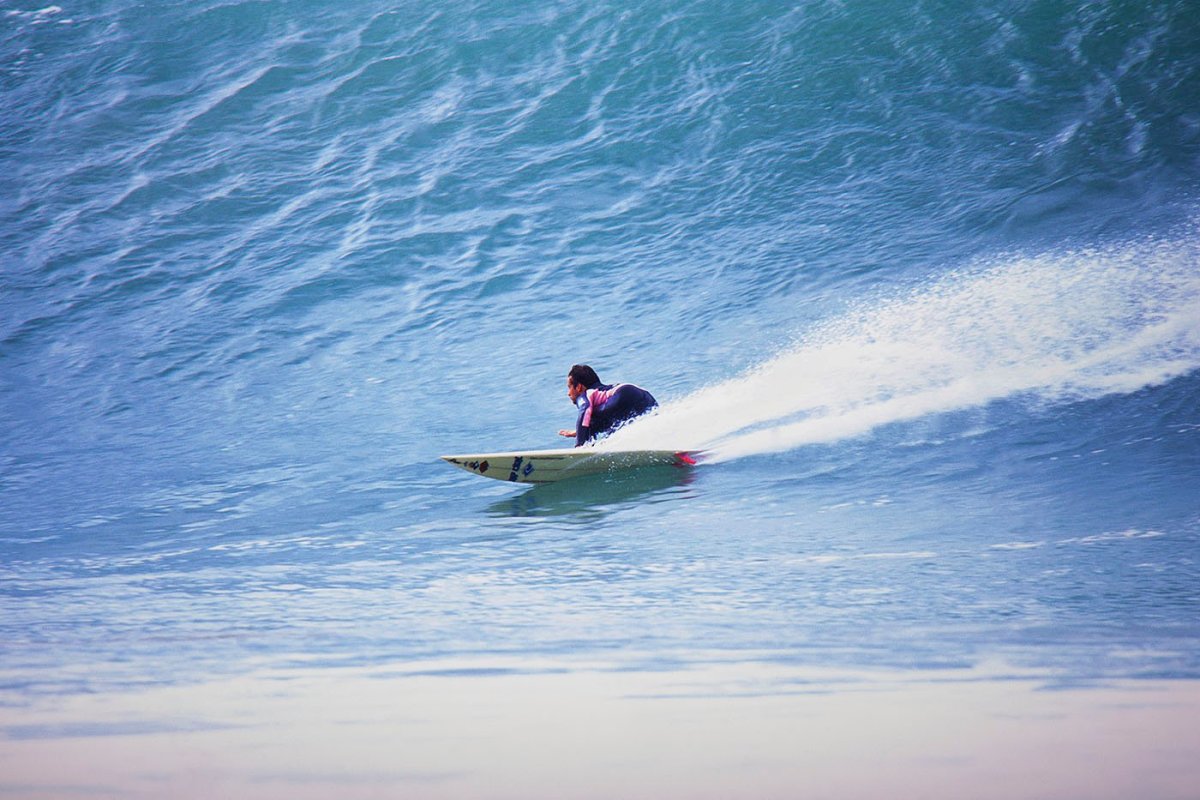
The ephemeral nature of surf culture, a world built on fleeting moments captured in film and photography, is facing a critical challenge: the preservation of its history. As analog formats degrade and memories fade, a dedicated effort is underway to safeguard the visual record of surfing’s evolution, spearheaded by individuals like Derek Hoffmann and organizations such as the Nalu Film Foundation. This initiative isn’t merely about nostalgia; it’s about protecting a cultural heritage and ensuring future generations can connect with the roots of this globally beloved sport.
The urgency of this mission became starkly clear to Hoffmann following the unexpected passing of his close friend and long-time collaborator, Sonny Miller, in July 2014. Miller, a highly respected surf filmmaker known for his operate on the Rip Curl Search program in the early 1990s – including iconic films like The Search, The Search 2, and Searching for Tom Curren – left behind a vast archive of footage, and photographs. Hoffmann, while filming the reality television show Survivor in Nicaragua at the time of Miller’s death, found himself tasked with preserving Miller’s life’s work, a responsibility that ultimately blossomed into a broader commitment to safeguarding surfing’s visual history. Miller died of a heart attack at the age of 53, just six days after the passing of his mother, Suzanne Gilliland, according to reports.
A Legacy in Peril: The Fragility of Analog Media
The challenge facing surf historians isn’t simply about collecting vintage films and photos; it’s about preventing their irreversible decay. Analog formats like 16mm film, VHS tapes, and photographic slides are susceptible to deterioration over time, a process often accelerated by improper storage conditions. As these materials degrade, they become increasingly challenging – and eventually impossible – to access, threatening to erase invaluable moments from surfing’s past. This “vinegar syndrome,” as it’s known in archival circles, causes film to break down and release acetic acid, accelerating the deterioration process. Recognizing this threat, Hoffmann, with the support of Miller’s family – including his father, Bud Miller, and uncle, Bill Gilliland – embarked on a monumental task: cataloging, preserving, and digitizing Miller’s extensive archive.
The initial phase involved physically transporting the archive – a considerable undertaking given its sheer volume – from Miller’s home in California to a climate-controlled storage facility. This was just the beginning. Hoffmann, along with Richard Cheski, began the painstaking process of digitizing the footage, a crucial step in ensuring its long-term preservation. This effort ultimately led to the creation of Nalu TV, and subsequently, the Nalu Film Foundation, dedicated to the protection, digitization, and organization of surfing’s most iconic filmmakers’ work. The foundation’s name, “Nalu,” is Hawaiian for “wave,” a fitting tribute to the sport it seeks to preserve.
Searching for Tom Curren: A Catalyst for Preservation
A key impetus for the foundation’s work was Miller’s desire to remaster and re-release his 1996 film, Searching for Tom Curren. This seminal surf film, documenting the legendary surfer Tom Curren’s quest for the perfect wave, was originally released on VHS and DVD, formats that were already becoming obsolete by 2014. The film captured Curren’s groundbreaking performances at locations like J-Bay in South Africa, Bawa, and Backdoor, moments that defined a generation of surfing. Hoffmann initially approached Rip Curl with a proposal to co-fund the remastering project, aiming for a 50/50 cost and profit split, mirroring their previous collaborations. However, despite initial discussions, the funding never materialized.
Undeterred, Miller, his brother Craig, and Cheski pressed forward, successfully digitizing and re-issuing the film through Nalu TV. In 2022, a re-premiere of Searching for Tom Curren in Encinitas, California, sold out four consecutive nights, drawing a crowd that included the film’s subject, Tom Curren himself. As Hoffmann recalled, seeing a new generation of surfers connect with Miller’s work was a profoundly rewarding experience, a testament to the enduring power of surf cinema and the importance of preservation efforts. The film is currently available for streaming on Nalu.TV.
Expanding the Archive: A Growing Commitment
The success of the Searching for Tom Curren project spurred the Nalu Film Foundation to expand its scope, taking on the archives of other influential surf filmmakers. In 2023, following the death of Larry Haynes, a legendary filmmaker known for the Fluid Combustion series, Nalu TV stepped in to preserve and distribute his work. Subsequently, Nathan Fletcher entrusted Hoffmann with his father, Herbie Fletcher’s, extensive archive, which proved to be even more substantial than Miller’s. Nalu.TV now boasts a growing library of films from a diverse range of filmmakers, including Chris Bystrom, Don King and Jeff Hornbaker, Chris Klopf, Tom Boyle, and the Hoffmann brothers’ own documentaries, Fibreglass and Megapixel. Films are available for purchase or rental on the platform, with some titles offered for free.
The logistical challenges of maintaining this growing archive are significant. The Nalu Vault requires substantial resources – both financial and human – to ensure the fragile analog recordings are protected from degradation and that the digitization process continues apace. Hoffmann has personally transported countless hours of footage, often in 100-pound luggage bags, from Hawaii to the climate-controlled vault in California. This dedication has inadvertently created one of surfing’s most valuable archives, a repository of visual history that might otherwise have been lost.
The Nalu Film Foundation: Looking to the Future
Recognizing the require for sustainable funding and broader support, Hoffmann established the Nalu Film Foundation as a non-profit arm of the business. The foundation’s mission extends beyond preservation to encompass education and mentorship, aiming to empower the next generation of surf filmmakers. The foundation provides archival resources, grants, and mentoring opportunities for aspiring filmmakers, fostering creativity and innovation within the surf community. Recently, the foundation has licensed footage for documentaries focusing on Jack Johnson and Kelly Slater, demonstrating its growing influence and relevance within the broader film industry. A Jack Johnson documentary is currently in production, and another is planned based on the life and career of Kelly Slater.
Hoffmann believes that access to historical footage is crucial for aspiring filmmakers, often representing a significant financial barrier to entry. By providing access to the Nalu Vault, the foundation aims to level the playing field and encourage the creation of new and compelling surf stories. “I believe we are doing something positive for the surf world, and we really seek to just inspire more people to create,” Hoffmann stated. “The goal is to share great new stories about our culture by leaning on our great history.”
The Nalu Film Foundation’s work is a testament to the power of individual dedication and the importance of preserving cultural heritage. By safeguarding the visual history of surfing, the foundation is ensuring that the stories of the past continue to inspire and inform future generations. The foundation continues to seek support and donations through its website, https://nalufilmfoundation.org/, to further its mission.
The next step for the Nalu Film Foundation involves expanding its grant program to support emerging filmmakers and continuing the digitization of its vast archive. Updates on these initiatives and other foundation news can be found on their official website. We encourage readers to share this article and contribute to the conversation about the importance of preserving surf history.