
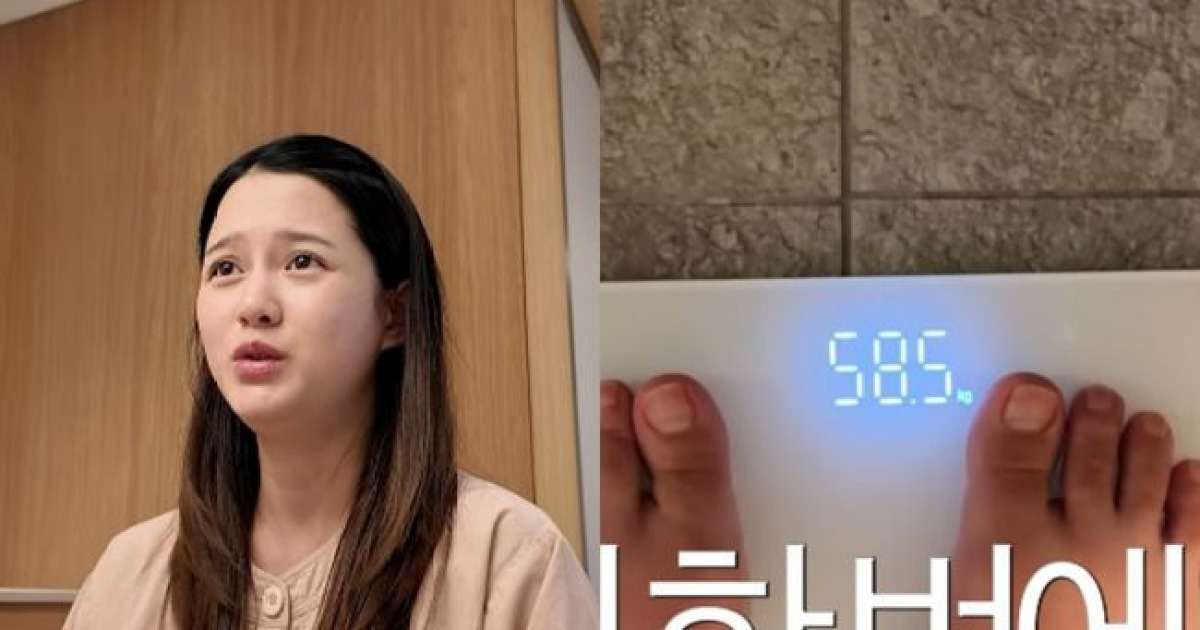
South Korean actress Nam Bo-ra recently shared details regarding her postpartum weight journey, revealing that her weight reached 59kg following the birth of her child. The disclosure, provided through her personal digital platform, highlights the common discrepancy between prenatal expectations and the physical realities of the postpartum period.
Nam, who is widely recognized for her roles in various television dramas and films, noted that her pre-pregnancy weight was approximately 45kg. In her recent video update, she expressed surprise at the scale’s reading, having anticipated that her weight would settle closer to 55kg shortly after delivery. This candid look into her recovery process offers a transparent view of the physiological shifts associated with childbirth, a topic that often remains private for many public figures.
The Reality of Postpartum Weight Changes
Weight gain during pregnancy is a medically expected phenomenon, primarily driven by the growth of the fetus, the placenta, amniotic fluid, and increased maternal blood volume. According to the American College of Obstetricians and Gynecologists (ACOG), the recommended weight gain varies based on an individual’s pre-pregnancy body mass index (BMI). While healthcare providers offer guidelines, individual biological responses to pregnancy and the subsequent postpartum recovery period are highly variable.

For many women, the return to a pre-pregnancy weight is a gradual process rather than an immediate transition. Factors such as fluid retention, hormonal fluctuations, and the physical demands of newborn care—including breastfeeding—can influence weight fluctuations in the weeks following delivery. As a physician, I often emphasize that postpartum health should be evaluated through the lens of recovery and nutritional support rather than strict adherence to numerical goals on a scale.
Public Discourse and Personal Wellness
The decision to share personal health milestones on social media platforms has become increasingly common among public figures. By documenting her experience with “jo-kang-seu”—a colloquial Korean term referring to the period of rest and care immediately following childbirth—Nam Bo-ra has opened a dialogue about the pressures surrounding maternal body image.
Public health experts frequently note that social media content can either normalize the diverse experiences of new motherhood or inadvertently perpetuate unrealistic standards. In this instance, the actress’s willingness to express surprise at her weight gain suggests a relatable, human response to the physical changes that accompany major life transitions. For many viewers, such transparency serves as a reminder that the postpartum experience is non-linear and unique to every individual.
Clinical Perspectives on Postpartum Health
From a medical standpoint, the focus in the immediate postpartum period—often termed the “fourth trimester”—should be on maternal physiological stabilization and neonatal bonding. The Centers for Disease Control and Prevention (CDC) advocates for comprehensive postpartum care that addresses physical recovery, mental health, and social support. Rapid weight loss is generally not recommended, as the body requires adequate caloric intake to facilitate healing and, if applicable, support lactation.
While the aesthetic focus on weight is common in media narratives, clinical guidelines prioritize long-term health markers, such as blood pressure regulation, glucose metabolism, and mental well-being. The transition from a pre-pregnancy weight of 45kg to a postpartum weight of 59kg, as experienced by Nam, is a reflection of the significant biological work the body has performed. It is essential for new mothers to consult with their primary care physicians or obstetricians regarding safe and healthy approaches to weight management after the initial recovery phase.
As Nam Bo-ra continues to share updates on her life as a new mother, her audience remains engaged with the realities of her journey. Further updates regarding her health and recovery process are expected to be shared via her official social channels. We encourage readers to share their own experiences with postpartum recovery in the comments section below, fostering a supportive community for those navigating similar transitions.