Revitalizing Cells: Nanoflower Technology Offers a Novel Approach to Combatting Aging and Disease
A groundbreaking new study from Texas A&M university unveils a promising technique for boosting cellular energy and resilience, possibly offering a new avenue for treating age-related diseases and improving the efficacy of therapies like chemotherapy. This innovative approach leverages the power of nanotechnology to enhance the natural ability of cells to share energy-producing components, offering a drug-free and genetically non-modifying solution.
For years, researchers have sought ways to combat the decline in cellular function that accompanies aging and disease. A key factor in this decline is the diminishing number and efficiency of mitochondria – the “powerhouses” of our cells. This research, published in proceedings of the National Academy of Sciences, presents a compelling solution: utilizing microscopic, flower-shaped nanoparticles, dubbed “nanoflowers,” to supercharge stem cells and facilitate the transfer of healthy mitochondria to damaged or aging cells.
How it Works: Mitochondrial Bio-Factories and Cellular Energy Transfer
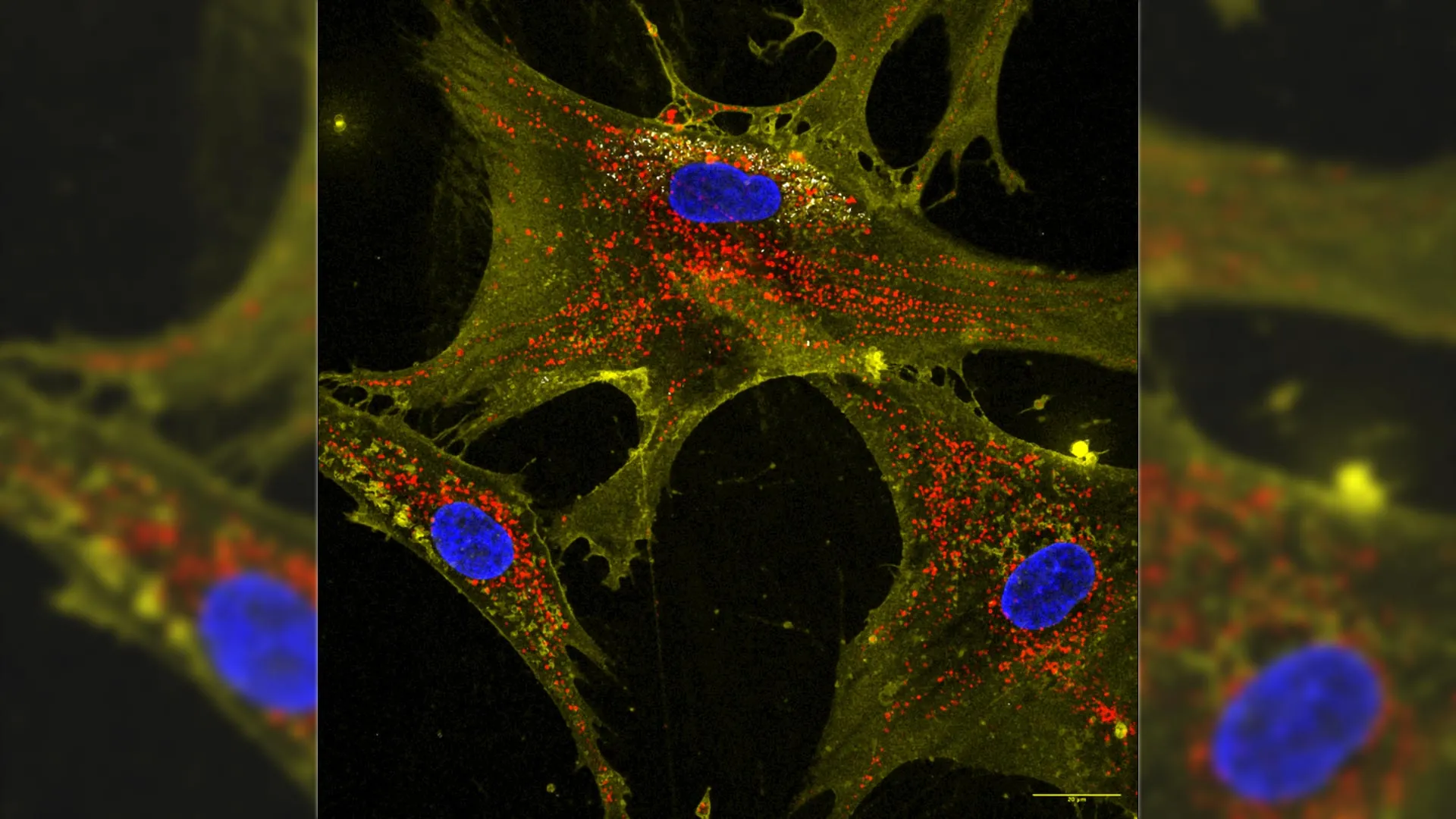
The team, led by Dr. Arul Jayaraman Gaharwar, a professor of biomedical engineering, discovered that exposing stem cells to these nanoflowers dramatically increased mitochondrial production – roughly doubling the usual output. These enhanced stem cells then acted as “mitochondrial bio-factories,” effectively delivering surplus mitochondria to neighboring cells struggling with energy deficits.
“We have trained healthy cells to share their spare batteries with weaker ones,” explains Dr. Gaharwar.This transfer of healthy mitochondria revitalized the damaged cells, restoring their energy production, improving overall function, and crucially, increasing their resistance to cell death – even when exposed to harsh treatments like chemotherapy.
This isn’t simply a theoretical concept. The nanoflower-treated stem cells demonstrated a two to four-fold increase in mitochondrial transfer efficiency compared to untreated cells, a result described by lead author Dr. Rana Soukar as “more than we could have hoped for.” The analogy of providing a “new battery pack” to failing electronics perfectly illustrates the potential of this technology.
Addressing the Limitations of Existing Mitochondrial Therapies
Current methods for increasing mitochondrial function often fall short. Drug-based approaches require frequent management due to the rapid clearance of small molecules from the body.This new nanoflower technology offers a meaningful advantage. The nanoparticles, approximately 100 nanometers in diameter, are retained within the cells, providing sustained stimulation of mitochondrial production. This could translate to therapies administered as infrequently as once a month, dramatically improving patient convenience and adherence.
The Power of Molybdenum Disulfide Nanoparticles
The nanoflowers are constructed from molybdenum disulfide, an inorganic compound known for it’s ability to form diverse two-dimensional structures at the nanoscale. dr. Gaharwar’s lab is at the forefront of exploring the biomedical applications of this versatile material. the use of molybdenum disulfide represents a significant step forward, offering a biocompatible and effective platform for delivering therapeutic benefits.
A Versatile Platform with Broad Therapeutic Potential
The true promise of this technology lies in its adaptability. While still in its early stages, the technique holds potential for treating a wide range of conditions characterized by mitochondrial dysfunction.
“You could put the cells anywhere in the patient,” says Dr.soukar, highlighting the versatility of the approach. ”For cardiomyopathy, you can treat cardiac cells directly. If you have muscular dystrophy, you can inject them right into the muscle.” This localized delivery system opens doors to targeted therapies for conditions affecting various tissues and organs throughout the body. Potential applications include:
* Cardiomyopathy: Revitalizing heart muscle cells to improve cardiac function.
* Muscular dystrophy: Restoring energy production in muscle tissue to combat muscle weakness and degeneration.
* Neurodegenerative Diseases: Supporting neuronal health and function in conditions like Parkinson’s and Alzheimer’s disease.
* Cancer Treatment Support: Protecting healthy cells from the damaging effects of chemotherapy.
* Age-Related Decline: Combating the general decline in cellular function associated with aging.
Looking Ahead: A Future of Recharging Aging Tissues
This research represents a significant leap forward in the field of regenerative medicine. The ability to harness the natural power-sharing capabilities of cells,amplified by nanotechnology,offers a compelling alternative to traditional therapeutic approaches.
“This is an early but exciting step toward recharging aging tissues using their own biological machinery,” concludes Dr. Gaharwar. “If we can safely boost this natural power-sharing system, it could one day help slow or even reverse some effects of cellular aging.”
**This project was supported by funding from the National Institutes of Health, the Welch Foundation, the Department of Defense, the Cancer Prevention and Research Institute of Texas, the President’s Excellence Fund at Texas A&M University