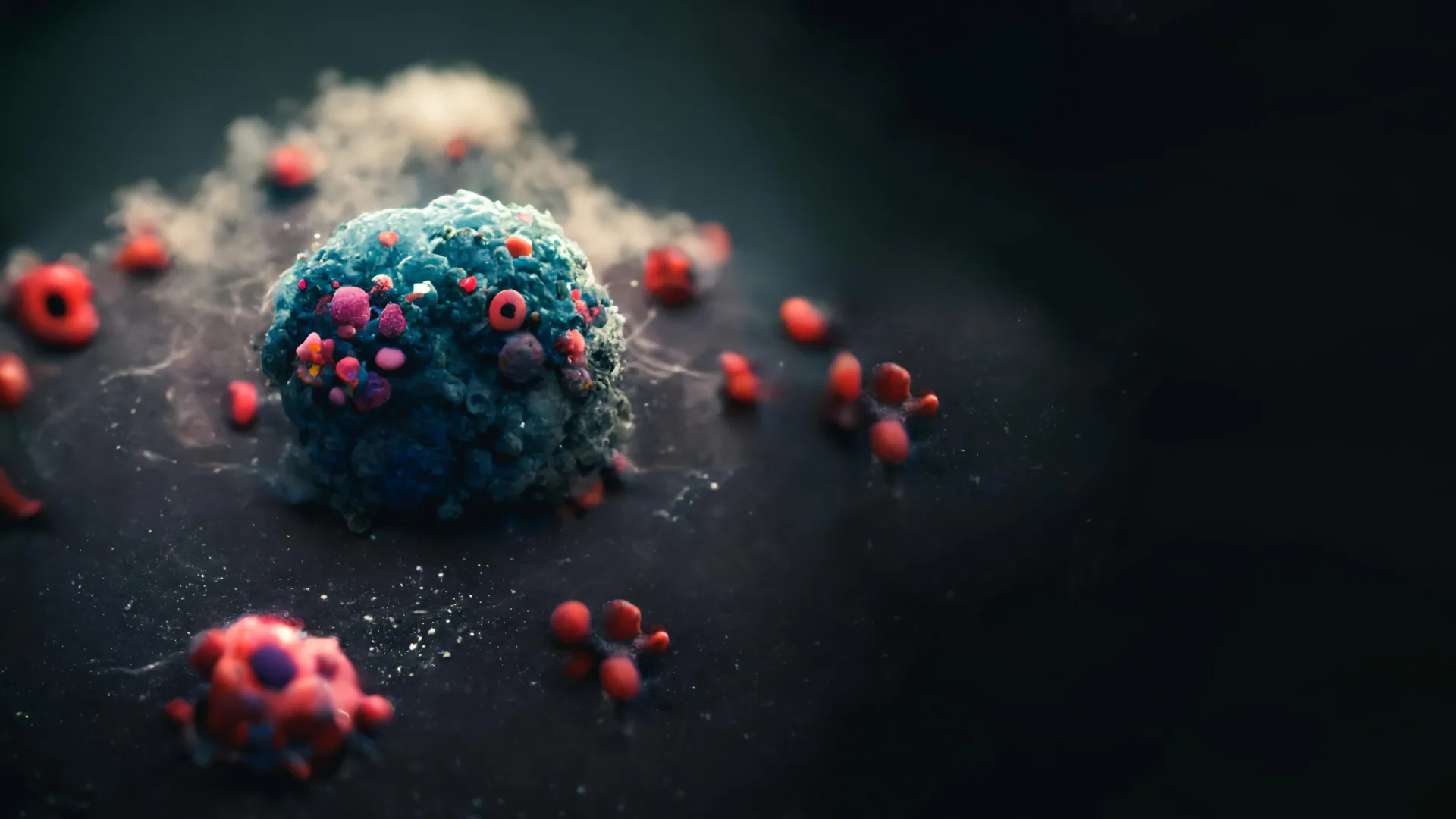
Revolutionizing Cancer Treatment: Structural nanomedicine Delivers Chemotherapy wiht Unprecedented Precision
For decades, chemotherapy has remained a cornerstone of cancer treatment, yet its efficacy is often hampered by debilitating side effects and limited drug delivery. Now,a groundbreaking approach utilizing structural nanomedicine (SNA) is poised to redefine how we combat cancer,offering a pathway to more effective therapies with significantly reduced toxicity. Researchers at Northwestern University, led by pioneering nanoscientist Chad A. Mirkin, have demonstrated remarkable success in pre-clinical models, showcasing the potential to “stop tumors in their tracks” by fundamentally altering how chemotherapy drugs interact with the body. This innovation, detailed in a recent publication in ACS Nano, builds upon a growing body of work with seven SNA-based treatments already undergoing clinical evaluation, signaling a paradigm shift in nanomedicine.
The Challenge with Customary Chemotherapy: Solubility and Systemic Toxicity
The limitations of conventional chemotherapy often stem not from the drugs themselves,but from their delivery. Take 5-fluorouracil (5-Fu), a widely used chemotherapy agent.While effective against certain cancers, 5-Fu suffers from poor solubility – less than 1% dissolves in many biological fluids. This means a vast majority of the administered drug remains ineffective, clumping together and failing to reach cancerous cells. Consequently, higher doses are required, leading to the well-known and often severe side effects like nausea, fatigue, and even heart complications. As Dr. Mirkin explains, “A lot of people don’t realize it’s also often poorly soluble, so we have to find ways to transform it into water soluble forms and deliver it effectively.”
This is where the power of structural nanomedicine comes into play.
Spherical Nucleic Acids: A Novel Drug Delivery System
Dr. Mirkin and his team have harnessed the unique properties of spherical nucleic acids (SNAs) – nanoscale particles comprised of a central core enveloped in a dense shell of DNA or RNA. These structures are not merely carriers; they are intelligently designed to exploit the natural biological mechanisms of cellular uptake.
“Most cells have scavenger receptors on their surfaces,” Dr. Mirkin elaborates, “But myeloid cells overexpress these receptors, so there are even more of them. If they recognize a molecule,then they will pull it into the cell.”
In this innovative approach, the researchers chemically integrated 5-Fu directly into the DNA strands composing the SNA shell. this transforms the poorly soluble drug into a readily absorbable form, effectively disguising it as a natural biological molecule. Myeloid cells, often abundant in the tumor microenvironment, actively engulf the SNAs via these scavenger receptors, bypassing the typical barriers to drug entry.
precision Targeting and Enhanced Efficacy in Acute Myeloid Leukemia (AML)
The team focused their initial research on Acute Myeloid Leukemia (AML), an aggressive blood cancer. The results were compelling. In mouse models, the SNA-delivered 5-Fu nearly eliminated leukemia cells from both the blood and spleen, dramatically extending survival rates.Crucially, this targeted delivery minimized harm to healthy tissues, a significant advantage over traditional chemotherapy.
This precision is a game-changer. Traditional chemotherapeutics operate as “carpet bombing” agents, indiscriminately killing both cancerous and healthy cells. SNAs, however, act as guided missiles, delivering a concentrated dose of chemotherapy directly to the intended target. “Instead of overwhelming the whole body with chemotherapy, it delivers a higher, more focused dose exactly where it’s needed,” Dr. Mirkin emphasizes.
Dr. Chad A. Mirkin: A Leader in Nanomedicine
This breakthrough is a testament to the leadership of Dr. Chad A. Mirkin, a globally recognized authority in chemistry and nanomedicine. Holding professorships across multiple departments at Northwestern University – including Chemistry, Chemical and Biological Engineering, biomedical Engineering, Materials Science and Engineering, and Medicine – Dr. mirkin also directs the International Institute for Nanotechnology and is a key member of the Robert H. Lurie thorough Cancer Center. His extensive expertise and multidisciplinary approach are driving innovation in the field.
Looking Ahead: Clinical Trials and the Future of Cancer Therapy
The research team is now preparing for the next phase of development: expanded testing in larger animal models, followed by the ultimate goal of human clinical trials. Securing additional funding will be critical to accelerate this process and bring this promising therapy to patients.
This work,supported by the National Cancer Institute,the National Institute of diabetes and Digestive and Kidney Diseases,and the Robert H. Lurie Comprehensive Cancer Center, represents a significant leap forward in cancer treatment. Structural nanomedicine,with its ability to precisely control drug delivery and minimize systemic toxicity,offers a beacon