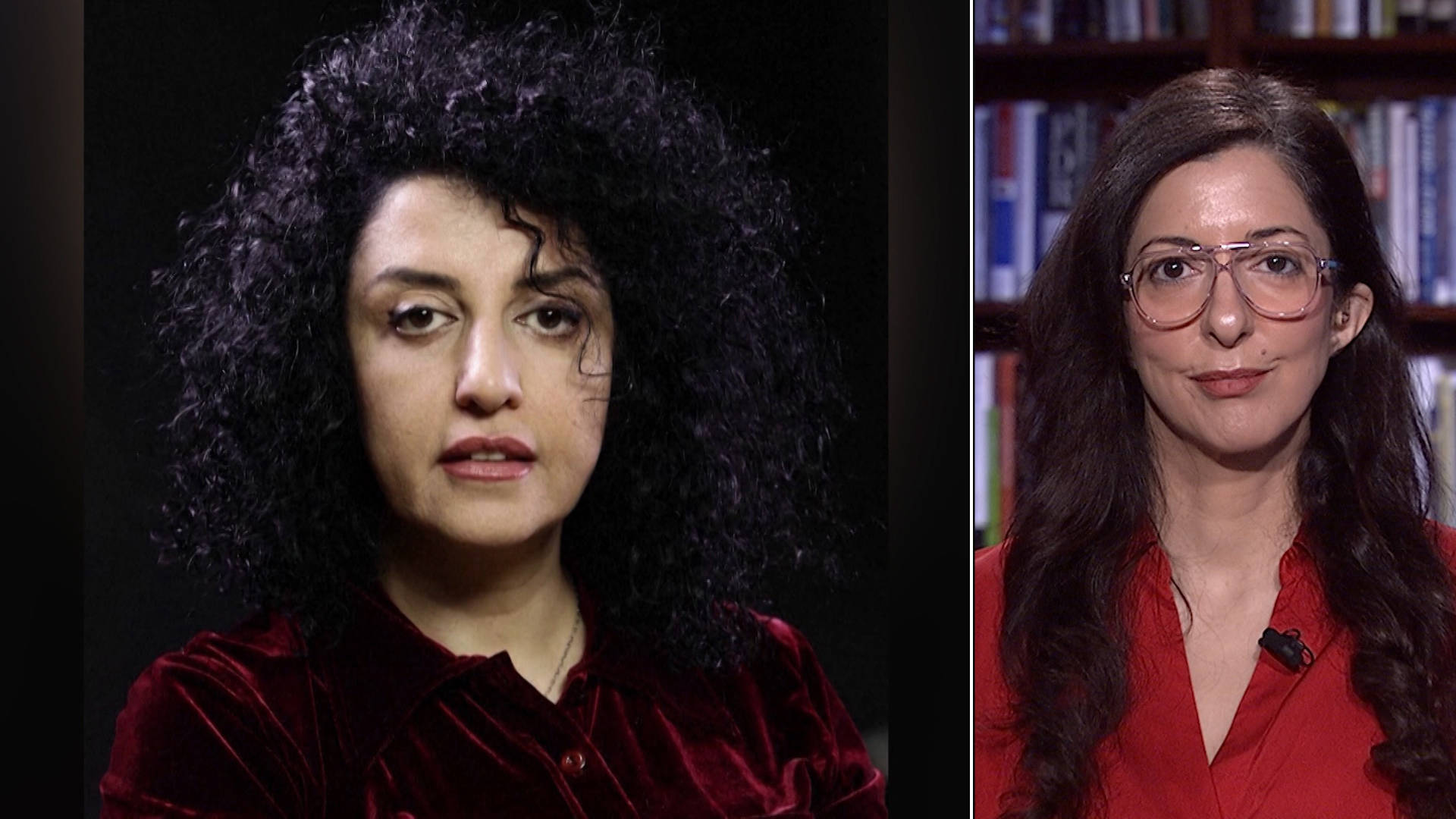
Iranian Nobel Laureate Rearrested Amidst Growing Dissatisfaction with teh regime
the recent rearrest of Narges Mohammadi, a Nobel Peace laureate and prominent Iranian human rights activist, has sparked international concern and underscores the escalating tensions within Iran. This advancement comes as the Islamic Republic faces what analysts describe as its lowest point in legitimacy and popular support. This article delves into the circumstances surrounding Mohammadi’s arrest, the context of growing opposition, and the broader implications for human rights in Iran.
A Regime Under Pressure
According to Ali Rahmani, a political analyst, the current Iranian government is in a precarious position. He notes the regime is experiencing “unstable equilibrium,” meaning even a small catalyst could trigger meaningful change. Rahmani suggests this instability is fueling a shift in opposition strategies, moving beyond previous approaches toward a more direct challenge to the ruling religious authorities.
This assessment aligns with increasing reports of public discontent stemming from economic hardship, social restrictions, and political repression. The regime’s response has been characterized by increased crackdowns on dissent, making activists like Mohammadi particularly vulnerable.
Who is Narges Mohammadi?
Mohammadi has dedicated her life to advocating for human rights in Iran, particularly the rights of women.Her work has consistently challenged the authority of the Islamic Republic, leading to repeated arrests and imprisonment. She was already serving a lengthy prison sentence when this latest incident occurred.
As author Porochista Khakpour explained in a recent Democracy Now! interview, Mohammadi is in her early fifties and has suffered significant health issues while incarcerated, including heart attacks and potential cancer. The timing of her rearrest – during a medical leave from prison – and reports of recent physical abuse raise serious concerns about her well-being.
The Context: Remembering khosrow Alikordi
Mohammadi’s rearrest took place while she was attending a memorial service for Khosrow Alikordi, a well-known iranian human rights lawyer and activist. alikordi’s recent death was deemed “suspicious” by many, with witnesses reporting evidence suggesting foul play beyond the official description of a cardiac event.
Khakpour highlighted the significance of Alikordi’s work and the broader pattern of the Islamic Republic surveilling expressions of grief and dissent. This demonstrates a deliberate strategy to suppress any form of opposition, even in mourning.
Why This Matters to you
The situation in Iran isn’t just a distant geopolitical issue. It represents a critical struggle for fundamental human rights and freedoms. Mohammadi’s case,and the broader crackdown on dissent,have implications for:
* Global Human Rights: The suppression of activists like Mohammadi sets a dangerous precedent for other authoritarian regimes.
* International Diplomacy: The international community faces increasing pressure to respond effectively to the human rights crisis in Iran.
* The Iranian People: The future of Iran hinges on the courage of activists and the willingness of the international community to support their cause.
What’s Next?
The rearrest of Narges Mohammadi is a stark reminder of the risks faced by human rights defenders in iran. Her case demands continued attention and advocacy from the international community.
As the regime’s legitimacy continues to erode, the potential for further unrest and change grows. The coming months will be crucial in determining the future of Iran and the fate of those fighting for a more just and equitable society.
Resources for Further Facts:
* Democracy Now! Interview with Porochista Khakpour: https://www.democracynow.org/2024/4/15/iran-narges-mohammadi-rearrested
* nobel Peace Prize Website - Narges Mohammadi: https://www.nobelpeaceprize.org/peace/laureates/2023
This situation is rapidly evolving.Stay informed and consider supporting organizations working to promote human rights in Iran.
Related reading