
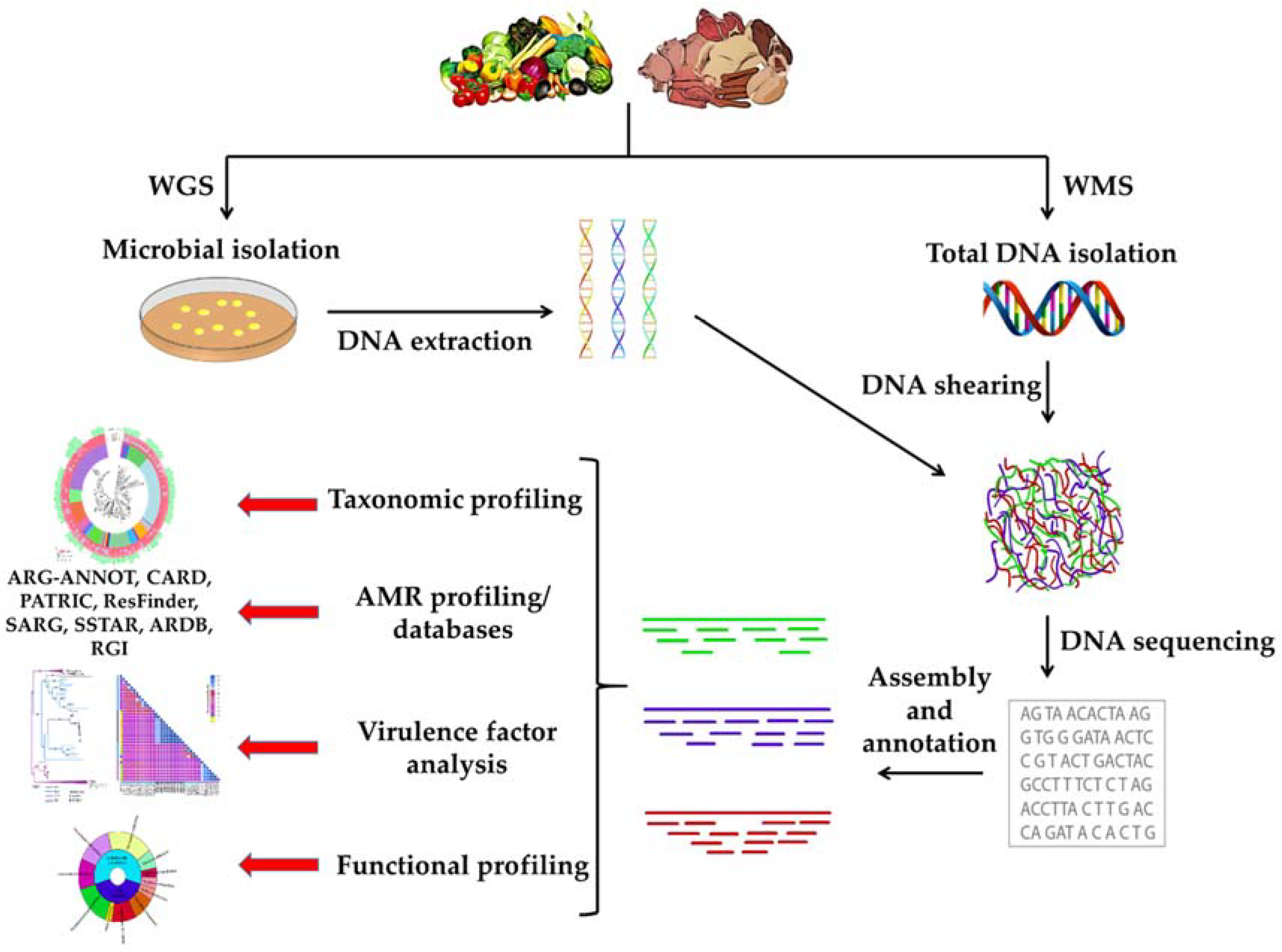
Public health surveillance is taking a significant step forward in the fight against drug-resistant pathogens. For the first time, the National Antimicrobial Resistance Monitoring System (NARMS) annual report has integrated whole genome sequencing (WGS) data for bacteria isolated from individuals with antibiotic resistant Salmonella infections.
This integration represents a shift in how health officials track the evolution of bacteria. By moving beyond traditional testing to genetic sequencing, the system can now provide a more granular view of how resistant strains of Salmonella behave and spread, offering critical insights into the intersection of human health and the food supply.
As a physician and journalist, I have seen how the “silent pandemic” of antimicrobial resistance can complicate routine care. When common infections develop into resistant to the medicines designed to treat them, the risk to patients increases. The addition of WGS data to the NARMS framework is not just a technical update; it is a vital tool for identifying emerging threats before they become widespread public health crises.
Understanding the NARMS Framework
The National Antimicrobial Resistance Monitoring System (NARMS) is an interagency, collaborative partnership designed to track changes in antimicrobial resistance. This surveillance system brings together state and local public health departments alongside three major federal entities: the Centers for Disease Control and Prevention (CDC), the U.S. Food and Drug Administration (FDA), and the U.S. Department of Agriculture (USDA).

The primary goal of NARMS is to monitor antimicrobial resistance among enteric bacteria—bacteria that live in the intestines. By coordinating data across different sectors, NARMS provides a comprehensive look at how resistance develops in animals, how it persists in retail meats, and how it eventually manifests as illness in humans.
Key Takeaways: NARMS and WGS Integration
- Latest Data Layer: Annual reports now include whole genome sequencing (WGS) for human Salmonella isolates.
- Collaborative Effort: The system is a joint venture between the CDC, FDA, USDA, and local health departments.
- Comprehensive Scope: Monitoring spans the entire food chain, from food animal species to retail products and human patients.
- Advanced Identification: WGS allows for precise speciation and serotype determination of bacteria.
The Role of Whole Genome Sequencing (WGS)
Whole genome sequencing is a laboratory method that allows scientists to examine the entire DNA sequence of an organism. In the context of Salmonella, this technology is used for both speciation and serotype determination. According to the NARMS Manual of Laboratory Methods, the FDA utilizes WGS alongside tools such as SeqSero version 1 and 2 to determine the serotype of Salmonella from raw sequencing reads or genome assemblies.
Traditional methods of typing bacteria can sometimes miss subtle genetic mutations that confer resistance to antibiotics. WGS eliminates much of this ambiguity. By analyzing the full genetic blueprint, researchers can identify the specific genes responsible for resistance, allowing them to track the “fingerprint” of a particular strain as it moves through the environment.
Tracking Resistance Across the Food Supply
One of the most critical aspects of the NARMS mission is “Integrated Data.” This approach allows health officials to assess the nature and magnitude of resistance in bacteria moving through the food supply. The CDC’s NARMS data dashboards provide a consolidated view of resistance data generated from humans, animals, and retail meats.
This integrated view is essential because Salmonella is commonly transmitted through food. For example, the USDA-FSIS has previously produced multi-year reports evaluating trends in Salmonella serotypes and antimicrobial resistance in specific food animal species and products, such as those analyzed between 2014 and 2019. When human WGS data is layered over this animal and retail data, officials can better understand if a resistant strain found in a patient originated from a specific food source or animal population.
the “NARMS Now” initiative provides human data for five bacteria commonly transmitted through food, allowing researchers to observe how antimicrobial resistance has shifted over the past two decades.
Public Health Implications and Next Steps
The ability to detect resistance to medically significant antibiotics in real-time is a cornerstone of modern infectious disease management. NARMS provides interim data updates when testing reveals unusual or concerning resistance patterns in enteric bacteria. These updates serve as an early warning system for clinicians and policymakers.
By combining WGS with the CDC’s broader Threats Report—which provides burden estimates and identifies emerging areas of concern—public health authorities can implement more targeted interventions. This may include updating food safety guidelines, adjusting antibiotic prescribing practices in agriculture, or issuing specific alerts to healthcare providers regarding treatment failures.
The next phase of this surveillance involves the continued release of interim data updates as new resistance patterns are detected through NARMS surveillance. These timely reports ensure that the medical community remains informed of the latest threats posed by antibiotic-resistant pathogens.
Do you have questions about antimicrobial resistance or food safety? Share your thoughts in the comments below or share this article with your network to spread awareness.