
NASA researchers have identified ancient brine and amino acids within a 4.5-billion-year-old meteorite, providing critical evidence of how the building blocks of life may have survived in the early solar system. This discovery, detailed in recent scientific analyses of carbonaceous chondrites, suggests that liquid water persisted in parent bodies long after the solar system’s formation, creating a chemical environment capable of supporting organic synthesis.
The findings center on the presence of “primitive” water—brines that have remained trapped in mineral structures for billions of years. According to NASA, these fluid inclusions contain amino acids, which are the organic compounds that form proteins, indicating that the precursors for life were present in the asteroid belt. This discovery shifts the understanding of the “water delivery” theory, suggesting that Earth’s oceans may have been seeded by such water-rich asteroids.
The analysis utilized high-resolution imaging and spectroscopic techniques to detect these microscopic droplets. By examining the isotopic composition of the water, scientists can trace the meteorite’s origin back to the earliest stages of the solar system, roughly 4.5 billion years ago. This timeline aligns with the formation of the sun and the initial accretion of planetary bodies.
The Role of Amino Acids in Early Solar Chemistry
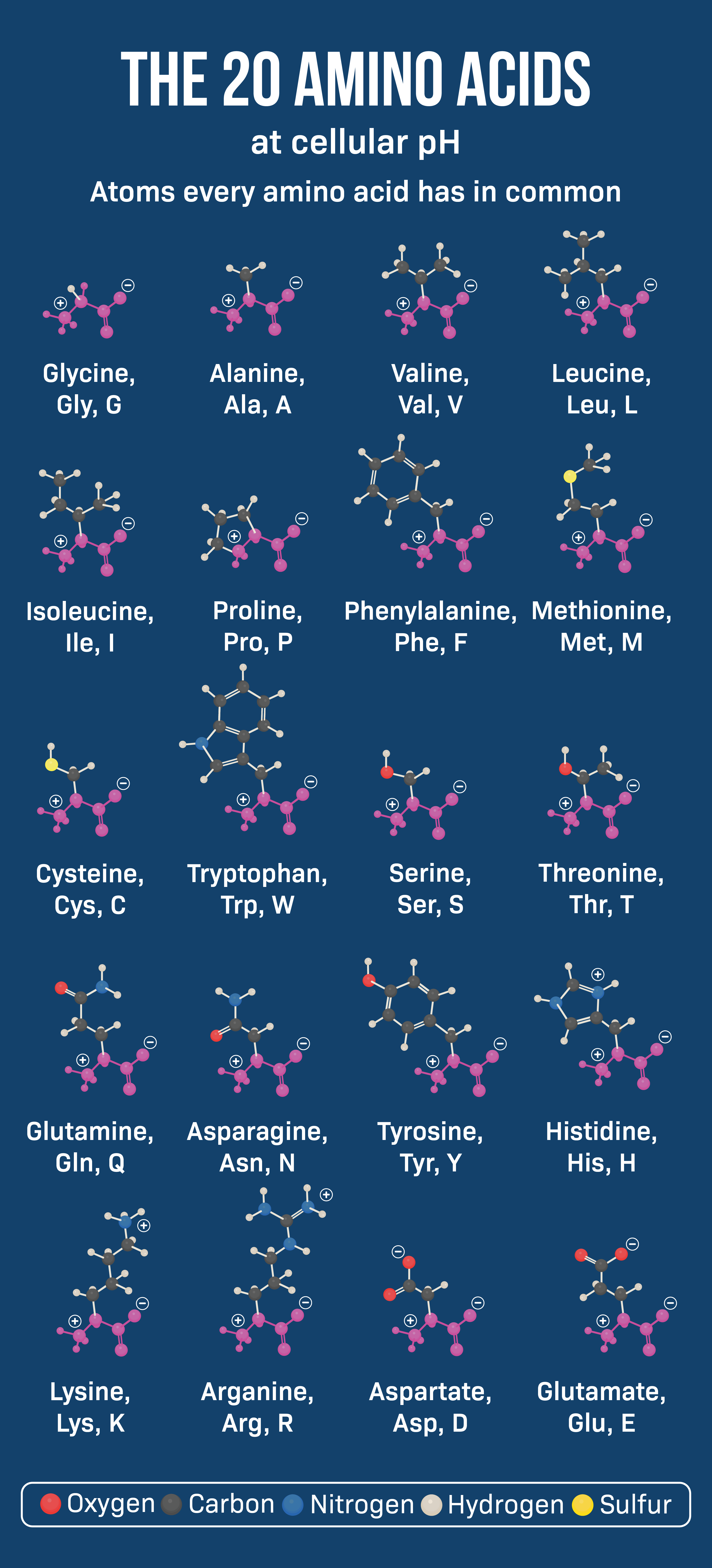
Amino acids are essential for the creation of proteins, the primary structural components of all known living organisms. The detection of these molecules within a meteorite of this age proves that organic chemistry was active in space long before Earth became habitable. According to research published via NASA, these molecules were not created by biological processes on Earth but were synthesized through abiotic chemical reactions in the vacuum of space or within the parent asteroid.
The “brine” mentioned in the findings refers to highly concentrated salt water. These brines act as a solvent, allowing chemical reactions to occur that would be impossible in a dry environment. The presence of these salts lowers the freezing point of water, meaning liquid water could exist in the freezing depths of space, providing a stable “laboratory” for amino acids to form and persist over eons.
This discovery supports the theory of panspermia—the hypothesis that life’s organic precursors are distributed throughout the universe and were delivered to Earth via comets and meteorites. By analyzing the specific types of amino acids found, researchers can determine if they match those found in terrestrial biology, further strengthening the link between cosmic chemistry and the origin of life on Earth.
AI Integration in Meteorite Analysis
The search for life’s origins is increasingly relying on artificial intelligence to process the vast amounts of data generated by mineralogical scans. Modern AI algorithms are now used to identify “biosignatures” or specific chemical patterns within meteorite samples that would be invisible to the human eye. This technology allows scientists to map the distribution of organic compounds across a sample with micron-level precision.

AI models are specifically trained to differentiate between terrestrial contamination—organic matter that enters a meteorite after it lands on Earth—and indigenous extraterrestrial organics. By analyzing the isotopic “fingerprint” of carbon and nitrogen, AI helps researchers confirm that the amino acids found in the 4.5-billion-year-old sample are truly ancient and not the result of modern environmental exposure.
This computational approach is essential because the organic inclusions are often microscopic. Without AI-driven pattern recognition, the probability of locating these tiny pockets of ancient brine within a large rock sample would be significantly lower, slowing the pace of discovery regarding the solar system’s early aqueous history.
Impact on the Search for Extraterrestrial Life
The confirmation of water and organic molecules in such an old sample provides a roadmap for future missions to Mars and the icy moons of Jupiter and Saturn. If 4.5-billion-year-old asteroids could maintain liquid brines and complex organics, it increases the likelihood that subsurface oceans on moons like Europa or Enceladus could harbor similar, or even more complex, chemistry.
The discovery emphasizes that “habitability” is not limited to the surface of a planet. The interior of an asteroid, shielded from the harsh radiation of space, can maintain a stable environment for billions of years. This suggests that the “seeds” of life are common throughout the galaxy, tucked away in the mineral matrices of floating space debris.
Scientists are now focusing on whether these amino acids could have evolved into more complex peptides or proteins within the parent body of the meteorite. While the current evidence points to simple organic compounds, the presence of a solvent (water) and the necessary building blocks (amino acids) creates the fundamental recipe required for the emergence of life.
The next phase of research involves comparing these findings with samples from the OSIRIS-REx mission, which returned material from the asteroid Bennu. By contrasting the chemical makeup of different carbonaceous chondrites, NASA aims to build a comprehensive timeline of when and where water first became stable in our solar system.
For those tracking the latest updates on planetary science and the search for organic compounds in space, official reports and mission data are regularly updated via the NASA Science portal.
Do you believe the building blocks of life are universal or unique to Earth? Share your thoughts in the comments below.
Worth a look